
How to Clean and Care for Slippers (So They Last Longer and Stay Fresh)
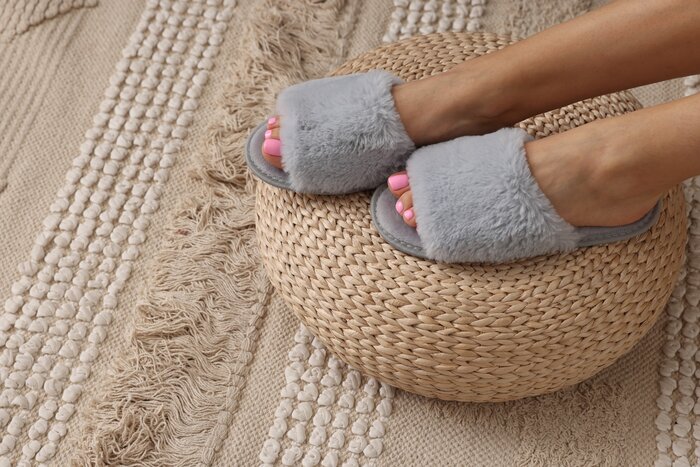
Slippers work hard: they absorb sweat, pick up dust from floors, and get compressed from daily wear. With a little routine slipper care, you can keep them comfortable, extend their lifespan, and prevent that “stale” smell that builds up over time. This guide covers how to clean slippers by material (including how to wash house slippers, how to clean suede slippers, and how to clean wool slippers), plus practical habits to maintain slippers between washes.
Before you start: read the label and identify the material
The best way to avoid shrinking, warping, or damaging adhesive is to match the cleaning method to the slipper’s construction. Check any care tag first. If there’s no tag, look closely at the upper material (suede, wool/felt, knit, leather, cotton) and the footbed/lining (fleece, shearling, terry, foam). When in doubt, treat them like delicate shoes: spot clean, minimize soaking, and air dry.
Quick rule of thumb: if your slippers have glued-on parts, memory foam, shearling, or suede, avoid hot water, harsh detergents, and high heat drying.
Everyday slipper care that prevents most problems
Most “deep cleaning” becomes unnecessary if you do a few small things consistently.
- Let them dry out daily: after wearing, leave slippers in open air (not inside a closed closet). Moisture is what feeds odor-causing bacteria.
- Rotate pairs if you can: giving slippers 24 hours to air out reduces odor and helps foam rebound.
- Wear socks sometimes: especially with fleece-lined or shearling styles. Less direct sweat equals less smell.
- Brush off debris: a quick brush or wipe keeps grime from grinding into fibers.
- Use a removable insole if available: washing or refreshing just the insole is often enough.

How to remove odor from slippers (fast and safely)
If your main issue is smell rather than visible stains, start here. These steps are gentle and work across most materials.
1) Baking soda overnight
Sprinkle a light layer of baking soda inside each slipper, focusing on the toe area. Leave overnight, then tap out and vacuum or shake thoroughly. This helps absorb moisture and neutralize odor.
2) Vinegar mist (for fabric interiors)
Mix equal parts white vinegar and water in a spray bottle. Lightly mist the lining (do not soak), then air dry completely. Vinegar odor dissipates as it dries. Avoid this on suede exteriors; if the lining is shearling, test a hidden area first.
3) Freeze method (for stubborn odor)
Place slippers in a breathable bag (paper or a loosely tied cloth bag) and freeze for 8–12 hours. This can reduce odor-causing bacteria. Let them come back to room temperature and dry fully before wearing.
Important: odor is often a moisture problem. If slippers never fully dry between wears, odor will return quickly.
How to wash house slippers (fabric, knit, cotton, terry)
Many house slippers made from fabric or knit uppers can be washed gently. The biggest risks are shrinking and misshaping, so keep water cool and agitation minimal.
Machine washing slippers (when it’s allowed)
- Prep: shake out debris; remove insoles if possible; close any Velcro.
- Protect: place slippers in a mesh laundry bag (or a pillowcase tied closed).
- Choose settings: cold water, delicate cycle, mild detergent. Skip bleach and heavy-duty detergents.
- Balance the load: add a couple of towels to reduce banging.
- Air dry only: reshape while damp and let dry at room temperature. Keep away from direct heaters and sunlight.
If you’re unsure about machine washing slippers, hand washing is safer.
Hand washing slippers (gentlest option)
- Fill a basin with cool water and a small amount of mild detergent.
- Submerge and gently squeeze the fabric; avoid twisting, which can warp the slipper.
- Use a soft cloth or soft brush on stained areas.
- Rinse thoroughly in cool water until suds are gone.
- Press out water with a towel (don’t wring), reshape, and air dry.
How to clean suede slippers (without ruining the nap)
Suede looks great, but it reacts badly to soaking. The goal is to lift dirt and treat spots with minimal moisture. If you’re learning how to clean slippers made of suede, patience matters: let each step dry fully before doing more.
Routine cleaning
- Dry brush first: use a suede brush (or a clean, soft nail brush) to brush in one direction, then lightly back-and-forth to lift the nap.
- Use a suede eraser: for scuffs and shiny spots, gently rub, then brush again.
Spot cleaning
- Water spots: lightly dampen the area evenly with a barely damp cloth (evenness prevents rings), blot, let dry, then brush.
- Grease/oil: sprinkle cornstarch or talcum powder, leave several hours (or overnight), then brush out. Repeat if needed.
- Mud: let it dry completely, then brush off. Don’t scrub wet mud into the suede.
Avoid: soaking suede, using regular soap directly on the exterior, and heat-drying. Consider a suede protector spray after cleaning and drying, especially if you step outside in them.
How to clean wool slippers (and why hot water is the enemy)
Wool slippers regulate temperature well, but they can felt, shrink, or lose shape with heat and agitation. When you clean wool slippers, think “cool, gentle, minimal.”
Spot clean for best results
- Mix cool water with a small amount of wool-safe detergent.
- Dampen a cloth (don’t soak it) and dab stains gently.
- Use a second cloth dampened with clean water to remove residue.
- Blot with a towel, reshape, and air dry away from heat.
If you must wash the whole slipper
Only do this if the brand explicitly allows it. Use cold water, a wool-safe detergent, and very gentle handling. Never put wool slippers in a hot dryer. As they dry, periodically reshape to keep the toe box and sides from collapsing.
Cleaning shearling or faux-fur linings
Plush linings feel great, but they trap sweat. For regular maintenance, sprinkle baking soda inside, leave overnight, then vacuum. For deeper cleaning, use a lightly damp cloth with a small amount of mild soap and dab the lining—avoid saturating the foam underneath. Rinse by wiping with a clean damp cloth, then air dry completely. Once dry, gently fluff with a clean brush.
How to dry slippers properly (this is where most damage happens)
Drying is as important as washing slippers. Heat can shrink fabric, stiffen leather/suede, and weaken glue.
- Air dry at room temperature: place them in a well-ventilated area.
- Reshape while damp: use your hands to form the toe and sides back into shape.
- Stuff lightly: use paper towels or clean dry cloth (avoid ink-heavy newspaper) to absorb moisture and hold shape.
- Avoid: dryers, radiators, space heaters, and direct sun.
Slippers can take 24–48 hours to dry fully depending on materials. Don’t wear them damp—odor will return and materials will break down faster.

Stain and “problem” fixes
Yellowing or dark footbeds
This is usually sweat and body oils. Focus on deodorizing plus gentle spot cleaning. If the lining is removable, wash it separately. Otherwise, use a mild soap solution on a cloth, dab, and rinse by wiping with a clean damp cloth.
Flattened cushioning
Foam can compress permanently over time, especially if slippers are worn all day. Rotating pairs, letting them air out, and keeping them dry helps foam rebound. If the insole is removable, replacing it can extend the life of the slipper.
Hard or slippery soles
Wipe rubber or EVA soles with a damp cloth and mild detergent to remove oils and dust. If traction is gone, it may be time to replace the pair—worn soles can become a safety issue indoors.
How often should you clean slippers?
- Deodorize: weekly (or more often if you wear them barefoot daily).
- Spot clean: as soon as stains happen.
- Wash/Deep clean: every 4–8 weeks for heavily worn fabric slippers; less often for suede and wool (prioritize spot cleaning).
If you’re dealing with recurring odor, clean more frequently and focus on drying and rotation—those habits usually matter more than aggressive washing.
When it’s time to replace slippers
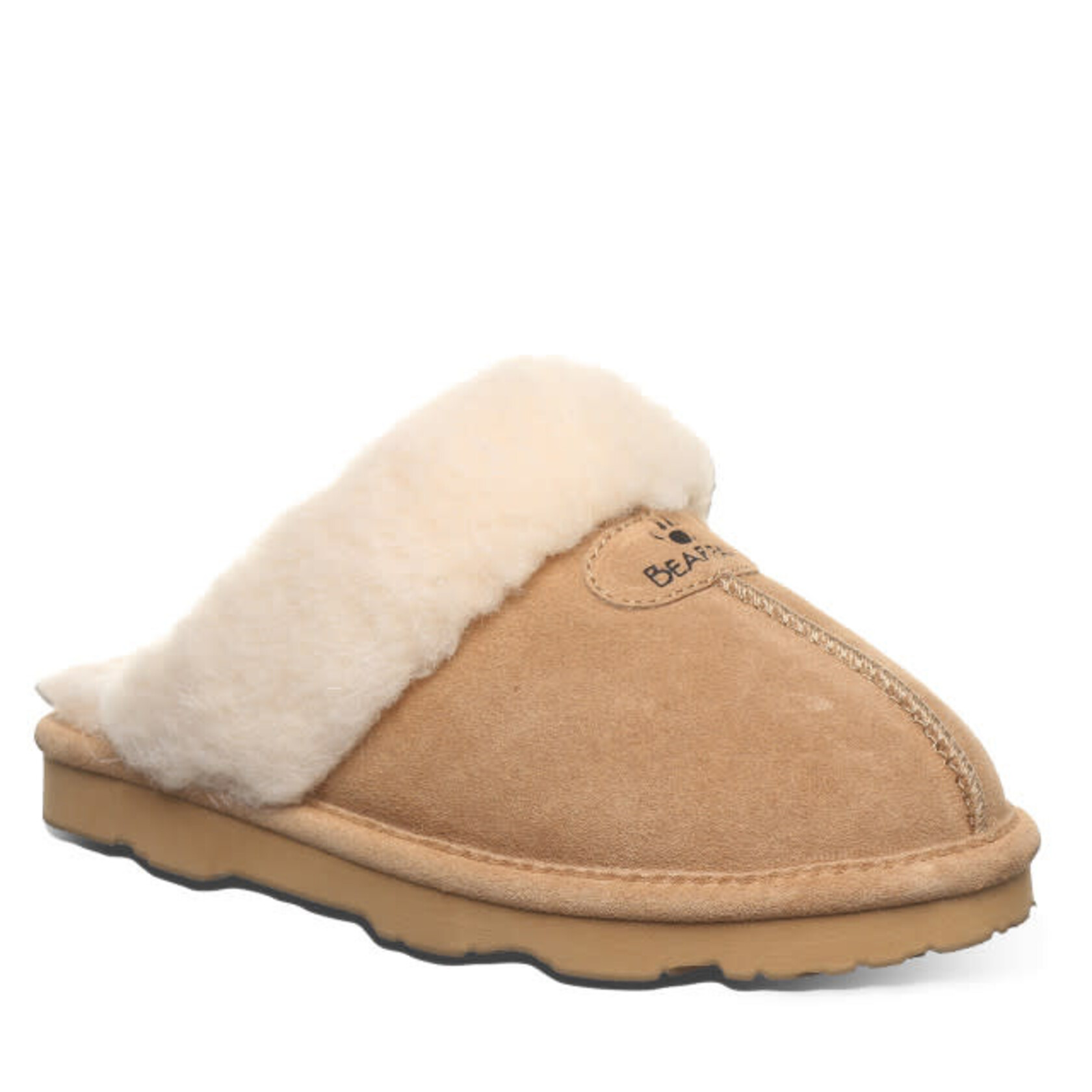
Even with great slipper care, materials eventually wear out. Consider replacing if the sole is smooth and slippery, the lining is torn through, seams are failing, or odor persists after thorough cleaning and complete drying. A supportive, intact sole and a clean, dry interior are key to comfort and foot health.
If you’re looking for a new pair to rotate into your routine, you can browse Men's Slippers.