
Men’s Slippers: A Complete Guide to Indoor Comfort and House Shoes
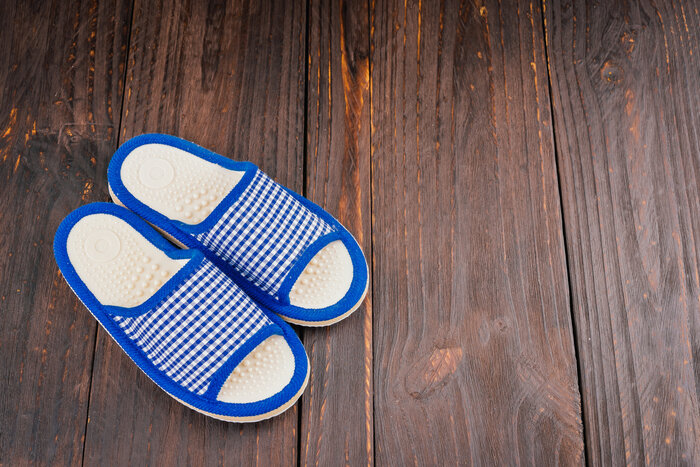
Why men’s slippers matter more than you think
A good pair of men’s slippers isn’t just a “nice to have.” The right indoor slippers can help with warmth, posture, and everyday comfort—especially if you’re on hardwood floors, standing at a home office desk, or simply want to stop tracking outdoor dirt through the house. Today’s men’s house shoes range from minimal slip on slippers to supportive, structured options that feel closer to casual footwear.
This guide breaks down the main types of house slippers men buy, what to look for in comfort and construction, and how to choose the best slippers for men based on your home, climate, and routine.
Types of men’s slippers (and who they’re best for)
Slip-on moccasin slippers
Moccasin-style slippers are popular because they’re easy to wear and feel cozy right away. They often use suede or textile uppers with a soft lining and a flexible sole. They’re a great everyday choice if you want comfort without a bulky boot shape.
- Best for: quick on/off, general indoor use, moderate warmth
- Watch for: minimal arch support on cheaper versions
Scuff slippers (open-back)
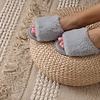
Scuffs are the fastest slip on slippers—no heel to pull on, just step in. They’re convenient for short wear, but they can feel less secure if you walk quickly or go up and down stairs often.
- Best for: quick trips around the house, easy airflow
- Watch for: heel slippage; sizing is especially important
Bootie or high-top winter slippers
If you want serious warmth, winter slippers men reach for are usually bootie-style. They cover the ankle and often use plush lining that holds heat well—ideal for cold floors or drafty homes.
- Best for: colder rooms, basement floors, winter mornings
- Watch for: overheating if your home runs warm
Structured men’s house shoes
Some indoor slippers are built like lightweight shoes with firmer midsoles and more shape through the heel and arch. If you need stability, these can be the most “foot-friendly” option for long wear at home.
- Best for: home office days, cooking/standing, extra support
- Watch for: they may feel stiff compared with soft slippers

What makes slippers comfortable? Key features that change everything
1) The insole: memory foam vs. supportive footbeds
Many comfortable slippers use memory foam slippers construction: a compressible foam layer that molds under your foot. This can feel great initially, especially if you like a cushy landing. However, memory foam can flatten over time, and very soft foam doesn’t always provide the best support for arches and heels.
- Choose memory foam if you want plush comfort and mainly wear your slippers for shorter stints.
- Choose a structured footbed if you wear slippers all day, prefer stability, or need more underfoot support.
2) The lining: warmth, breathability, and feel
Linings drive the “cozy factor” and how hot (or clammy) slippers feel. Common options include:
- Shearling or wool blends: warm, temperature-regulating, premium feel; common in shearling slippers and other cozy winter styles.
- Faux fur or plush pile: very soft and warm; varies widely in durability.
- Microfleece: lighter warmth, often more breathable and quick-drying.
If your feet run hot, prioritize breathable linings and consider a lower-cut style instead of a bootie.
3) The outsole: indoor-only vs. indoor/outdoor
Outsoles typically fall into two camps:
- Soft indoor soles: quieter, more flexible, great for comfort—best if you’ll only wear them inside.
- Rubber indoor/outdoor soles: more durable with better grip, useful for stepping onto a porch, taking out recycling, or walking to the mailbox.
If you want one pair that can handle quick outdoor trips, a rubber sole is often the deciding factor when comparing the best slippers for men.
4) Fit and entry: secure heel vs. easy on/off
For house slippers men wear daily, fit is the difference between “comfortable” and “annoying.” A few practical rules:
- Open-back scuffs should feel snug through the instep to prevent slipping.
- Closed-heel slippers should lock your heel in without rubbing.
- If you’re between sizes, consider how thick the lining is—plush linings can make a slipper feel smaller.


Choosing the right men’s slippers for your lifestyle
For cold floors and Canadian winters
If you’re dealing with chilly tile, wood, or basement floors, look for winter slippers men can rely on: warm lining, a higher collar (bootie), and an outsole thick enough to insulate from the ground. Wool and shearling slippers shine here because they’re warm without feeling overly sweaty.
For all-day wear (home office, standing tasks)
If slippers are your “work shoes” at home, prioritize support and stability. A more structured men’s house shoes style with a firmer midsole and secure heel will feel better by afternoon than an ultra-soft foam scuff.
For hot feet or warm apartments
Go lighter: lower cut, breathable lining, and a less-insulated upper. Many indoor slippers in moccasin or loafer shapes work well because they balance comfort without trapping too much heat.
For quick indoor/outdoor errands
If you want slippers you can wear to grab a delivery or step outside briefly, a durable rubber outsole is essential. It adds traction and helps the slipper keep its shape over time.
Care tips: make comfortable slippers last longer
- Rotate pairs if you wear slippers daily—foam and linings recover better with rest.
- Spot-clean uppers and follow the care instructions for suede, wool, shearling, or textiles.
- Air them out regularly; avoid storing them in closed, damp areas.
- Replace worn insoles when possible—flattened cushioning is a common reason slippers feel “done.”
Quick checklist: how to pick the best slippers for men
- Warmth level: light lining vs. full winter insulation
- Support needs: memory foam slippers vs. structured footbed
- Outsole: indoor-only softness vs. rubber indoor/outdoor durability
- Fit: secure heel if you walk a lot; scuff if you prioritize easy entry
- Home surfaces: prioritize grip for slick hardwood or stairs
Browse men’s slippers and indoor house shoes
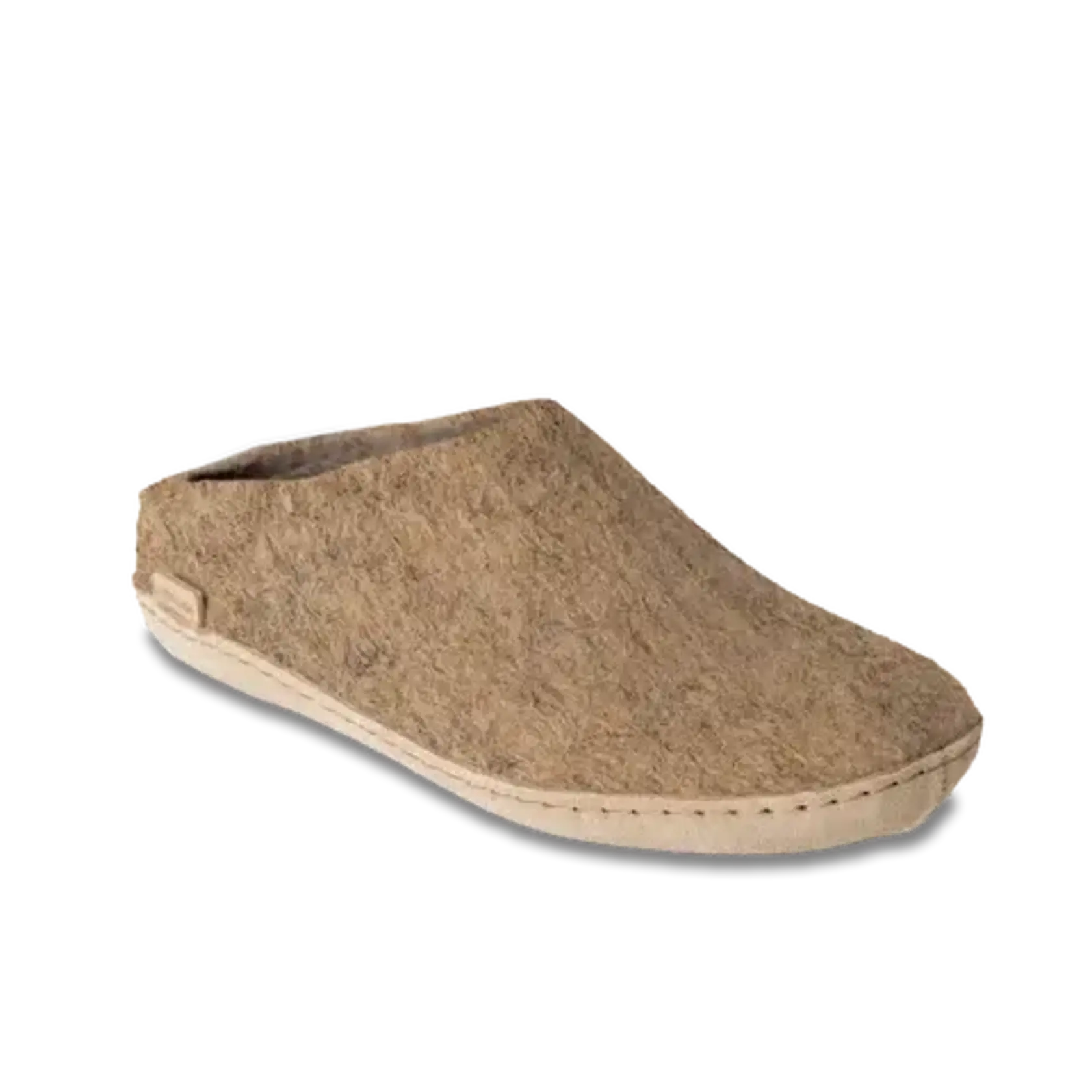
If you’re comparing styles and materials, you can explore options in Schreter’s Men’s Slippers collection, or shop the full Men’s Footwear selection if you want something more structured than a classic slipper.
The right pair should match how you actually live at home—warm where you need it, supportive where it matters, and easy enough that you’ll reach for them every day.