
Suede vs. Leather Casual Boots: Pros, Cons, and Care Tips
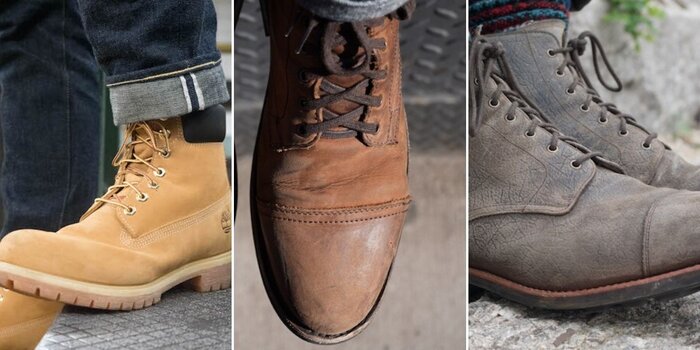
When investing in quality casual boots, one of the most important decisions you'll face is choosing between suede and leather. Both materials offer distinct advantages and unique aesthetic appeal, but they require different levels of care and suit different lifestyles. At Schreter, we've been helping customers navigate these decisions since 1928, offering expert guidance alongside our carefully curated selection of women's casual boots from trusted brands
This comprehensive guide explores the key differences between suede and leather casual boots, examining durability, maintenance requirements, style considerations, and practical care tips to help you make an informed decision that suits your lifestyle and aesthetic preferences.
Understanding Suede and Leather: What's the Difference?

Before diving into pros and cons, it's essential to understand what distinguishes these two materials. Both suede and leather originate from animal hides, but they're crafted from different parts of the skin and undergo distinct manufacturing processes.
Leather comes from the outer grain side of the hide—the part that was exposed to the elements when the animal was alive. This exterior layer developed naturally to withstand harsh conditions, attacks from other creatures, and weather exposure. The result is a dense, tightly woven material with inherent strength and water resistance. Leather surfaces can be smooth and glossy or maintain natural grain textures, depending on how much finishing the material receives.
Suede derives from the inner flesh side of the hide, the underside that was closest to the animal's muscle and bone. This interior layer never needed to protect against external elements, making it naturally softer and more supple. The manufacturing process involves sanding or buffing this inner surface to create the characteristic napped, velvety texture that defines suede. The word "suede" itself comes from the French phrase "gants de Suède," meaning "gloves from Sweden," referencing the material's original use in items requiring thin, pliable construction.
This fundamental difference in origin explains why these materials behave so differently in practical use and why they each offer unique benefits and limitations.
The Pros of Leather Casual Boots
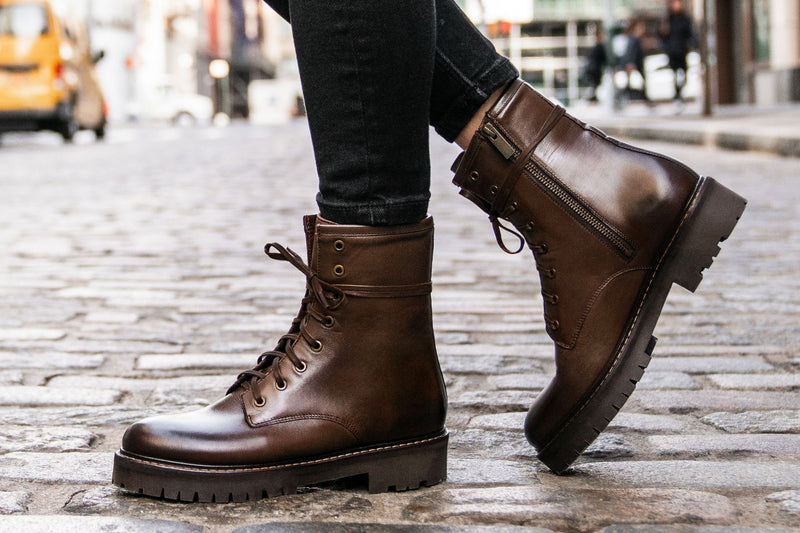
Exceptional Durability
Leather's reputation for longevity is well-deserved. Because it's crafted from the hide's protective outer layer, leather boots can withstand years of regular wear with proper care. Many women find their quality leather boots lasting a decade or longer, developing character and patina that actually enhances their appearance over time.
The dense fiber structure of leather makes it resistant to abrasion, scuffing, and general wear-and-tear that would damage lesser materials. This durability makes leather ideal for boots you'll wear frequently across various conditions and terrains.
Superior Water Resistance
Leather naturally offers better moisture protection than suede. While not completely waterproof, leather's tightly packed fibers create a barrier that resists water penetration more effectively than suede's open-pore structure. This means you can confidently wear leather boots in light rain or damp conditions without immediate concern for water damage.
For women living in climates with unpredictable weather or those who need versatile footwear that transitions between environments, leather's water-resistant properties provide peace of mind and practical functionality.
Lower Maintenance Requirements
While leather does require care, it's generally less demanding than suede. Basic leather boot maintenance involves periodic conditioning to replace natural oils and prevent cracking, occasional polishing to maintain appearance, and protection from extreme conditions. Most quality leather boots remain presentable with minimal intervention, especially when treated with protective sprays before first wear.
Leather also forgives minor mishaps more gracefully than suede. Small water spots often dry without visible marks, and surface dirt typically wipes away with a damp cloth.
Beautiful Patina Development
One of leather's most appealing characteristics is how it ages. Over time, leather develops a rich patina—subtle color variations and texture changes that reflect your unique wear patterns. This natural aging process adds character and depth, making well-worn leather boots even more attractive than new ones.
Many boot enthusiasts specifically value this quality, viewing their leather footwear as investment pieces that improve aesthetically while remaining functionally sound for years.
Versatile Styling
Leather's smooth, polished surface lends itself to both casual and slightly dressier contexts. Black or brown leather boots easily transition from weekend errands to casual office environments, offering versatility that maximizes your footwear investment.
The Cons of Leather Casual Boots
Higher Initial Cost
Quality leather typically commands premium prices due to the intensive tanning and finishing processes required. While this investment pays dividends in longevity, the upfront cost can be prohibitive for some budgets.
Requires Break-In Period
New leather boots often feel stiff and may cause discomfort until the material softens and molds to your foot shape. This break-in period varies depending on leather thickness and quality, but most wearers need several days to weeks of regular use before leather boots achieve optimal comfort.
Heavier Weight
Leather's density and thickness make leather boots noticeably heavier than suede alternatives. While this weight contributes to durability, it can feel cumbersome during extended wear or for those with foot sensitivity.
Heat Retention
Leather's tight fiber structure, while excellent for weather protection, also reduces breathability. During warmer weather or in heated indoor environments, leather boots may feel warmer than desired, potentially causing discomfort or excessive foot perspiration.
The Pros of Suede Casual Boots
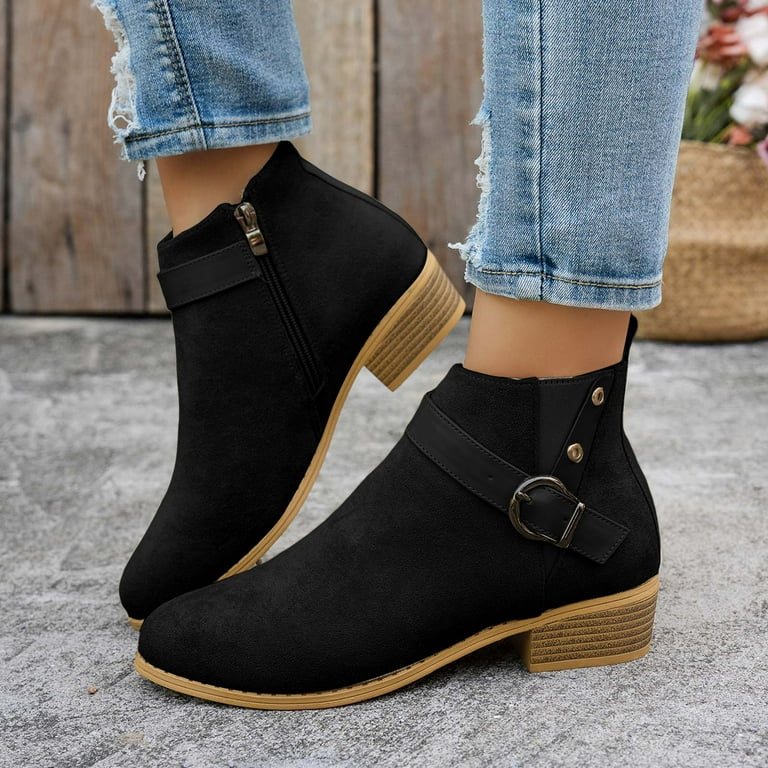
Luxurious Softness and Comfort
Suede's velvety texture provides immediate comfort without the break-in period required by leather. The material's suppleness allows it to conform quickly to foot shape, creating a personalized fit from the first wear. For women with sensitive feet or those who prioritize comfort, suede offers unmatched softness.
Sophisticated Aesthetic Appeal
Suede boots convey a refined, luxurious appearance that many find more visually interesting than smooth leather. The matte finish and unique texture add depth and sophistication to casual outfits, elevating even simple jeans-and-sweater combinations.
In particular color variations like rich browns, elegant grays, or classic blacks, suede boots create fashion-forward looks while maintaining versatility across wardrobes.
Lightweight Construction
Because suede comes from the thinner interior layer of the hide, suede boots weigh considerably less than leather alternatives. This lighter weight facilitates comfortable movement and reduces foot fatigue during long days, making suede particularly appealing for active lifestyles.
Enhanced Breathability
Suede's more porous structure allows better air circulation than leather. This breathability helps regulate foot temperature and reduces moisture buildup, creating more comfortable conditions inside the boot—especially beneficial during transitional seasons or for women prone to foot perspiration.
Feminine and Fashion-Forward
Many women find suede boots offer softer, more feminine styling compared to leather's harder edge. Suede pairs beautifully with dresses, skirts, and flowing fabrics, creating romantic, bohemian, or sophisticated looks that smooth leather might not achieve as effectively.
The Cons of Suede Casual Boots
Higher Maintenance Demands
Suede requires diligent care to maintain its appearance. The material readily shows water spots, stains, and scuff marks that can be challenging to remove. Regular brushing, protective treatments, and specialized cleaning products become necessary investments alongside your suede boots.
Vulnerability to Water Damage
Suede's open-pore structure makes it highly susceptible to water damage. Even light rain can darken suede, create permanent spots, or alter texture. While protective sprays improve water resistance, they never make suede truly waterproof, limiting when and where you can comfortably wear suede boots.
Less Durable Than Leather
The softer, thinner nature of suede means it won't last as long as leather under equivalent conditions. Suede shows wear more quickly, particularly in high-friction areas like heels and toes. While properly cared-for suede can remain beautiful for years, it typically requires replacement sooner than comparable leather boots.
Stain Susceptibility
Beyond water, suede easily absorbs oils, dirt, and other substances that create visible stains. Salt from winter sidewalks, mud splashes, and even accidental food spills can permanently mar suede's appearance if not addressed immediately and correctly.
Comparing Cost Considerations
When evaluating suede versus leather boots from a financial perspective, consider both initial investment and long-term value.
Initial Purchase Price: Leather boots often cost more upfront due to processing intensity and material durability. However, premium suede from quality tanneries can command similar prices, so cost differences vary significantly by brand and construction quality rather than material alone.
Maintenance Costs: Suede requires more specialized care products—brushes, erasers, protector sprays, and cleaning solutions—that add to ownership costs. Leather needs conditioning cream and occasional polish, but generally requires fewer ongoing product purchases.
Longevity Value: Leather's superior durability means you'll likely replace leather boots less frequently, potentially offering better cost-per-wear value despite higher initial prices. Suede boots may need replacement within 3-5 years of regular wear, while quality leather boots can last 10+ years with proper care.
Style and Aesthetic Considerations
Beyond practical factors, aesthetic preferences often drive material selection.
Casual vs. Refined: Smooth leather leans toward urban, polished, or slightly edgy aesthetics. Suede conveys softer, more casual, or bohemian styling. Consider which vibe better aligns with your personal style and existing wardrobe.
Color Options: Both materials come in diverse colors, but they express color differently. Leather's sheen creates depth and richness in darker tones, while suede's matte finish offers subtle elegance in lighter neutrals.
Seasonal Appropriateness: Many women perceive suede as more suitable for autumn and early winter due to its texture and warmth, while leather feels appropriate year-round. However, both materials work across seasons when styled appropriately.
Essential Care Tips for Leather Boots
Proper maintenance ensures your leather boots remain beautiful and functional for years.
Pre-Wear Protection
Before wearing new leather boots, apply a quality protective spray designed for leather. This creates a barrier against moisture and stains, significantly extending your boots' lifespan. Reapply protection spray every few months or after cleaning.
Regular Cleaning
Remove surface dirt with a soft, damp cloth after each wear. For deeper cleaning, use leather-specific cleaners that won't strip natural oils. Always test cleaning products on inconspicuous areas first to ensure they don't alter color or finish.
Conditioning Schedule
Apply leather conditioner every 3-4 months—more frequently if you live in dry climates or wear your boots often. Conditioning replaces natural oils lost through wear and exposure, preventing cracking and maintaining suppleness. Use thin, even layers rather than heavy applications that can darken leather or create uneven absorption.
Proper Drying
If leather boots get wet, stuff them with newspaper or clean towels to absorb moisture and maintain shape. Allow them to air dry naturally away from direct heat sources like radiators or sunlight, which can cause cracking and discoloration.
Storage Best Practices
Store leather boots in cool, dry locations with adequate air circulation. Use boot shapers or stuff with paper to prevent creasing and maintain shape. Avoid plastic bags that trap moisture; instead, use breathable cloth shoe bags or keep them on open shelving.
Essential Care Tips for Suede Boots
Suede demands more attentive care, but rewards diligence with lasting beauty.
Immediate Protection Application
Apply suede-specific protector spray before first wear—this single step dramatically reduces future staining and water damage. Quality protector sprays create invisible barriers that repel liquids and prevent dirt from embedding in suede's fibers.
Reapply protector every 4-6 weeks with regular wear, or before each season. Some experts recommend applying protection while suede is slightly damp for maximum absorption.
Regular Brushing Routine
Invest in a proper suede brush with brass or nylon bristles. Brush your boots after each wear in the direction of the nap to remove surface dirt and restore texture. This simple habit prevents dirt from settling deep into fibers where it becomes difficult to remove.
Stain Removal Techniques
Address stains immediately for best results:
For Dry Stains: Use a suede eraser, rubbing vigorously back and forth over the affected area. The eraser lifts dirt without liquid that might spread stains.
For Water Stains: If water has already discolored suede, wet the entire boot lightly with a damp cloth or brush to even out absorption. Blot excess moisture with clean towels, then allow natural air drying. This counterintuitive approach prevents water rings by ensuring uniform wetness.
For Stubborn Stains: Dampen a cloth with white vinegar or rubbing alcohol and gently massage the stain. These acidic components break down particle buildup. The strong smell dissipates as boots dry, and any temporary darkening reverses once completely dry.
Proper Drying Protocol
Never use heat sources to dry suede—no hair dryers, radiators, or direct sunlight. These cause irreversible damage including shrinkage, cracking, and color fading. Instead, stuff boots with newspaper or clean towels, place in a well-ventilated area, and allow 24-48 hours for complete drying.
Texture Restoration
After cleaning or if suede appears flat, use your brush to restore the nap. Brush in multiple directions to lift flattened fibers and revive suede's characteristic texture. For particularly dull areas, lightly dampen with a cloth, allow to dry, then brush vigorously.
Professional Cleaning
For valuable suede boots or stubborn staining you can't remove, professional leather cleaners offer specialized treatments. While more expensive than DIY care, professional cleaning can restore heavily soiled suede that home methods cannot address.
Making Your Decision: Which Material Is Right for You?
Consider these key questions when choosing between suede and leather casual boots:
What's your climate? If you live where rain, snow, or wet conditions are frequent, leather's water resistance makes it the practical choice. Dry climates suit suede beautifully.
How will you use these boots? Daily wear in various conditions favors leather's durability. Occasional wear for specific outfits where aesthetics matter most suits suede's sophisticated appearance.
What's your maintenance commitment? If you want low-maintenance footwear, choose leather. If you enjoy caring for special items and find boot maintenance satisfying, suede rewards your efforts.
What's your style preference? Urban, polished, or edgy aesthetics align with leather. Soft, romantic, or bohemian styles complement suede.
What's your budget for care products? Leather requires fewer ongoing product purchases. Suede needs brushes, erasers, protector sprays, and specialized cleaners.
Exploring Quality Options at Schreter
At Schreter, our women's casual boots collection features exceptional examples of both suede and leather constructions from brands you’ll love.
Our knowledgeable staff can assess your specific needs, lifestyle requirements, and aesthetic preferences to guide you toward the material and style that best serves your unique situation. Visit our Montreal location or shop online with confidence, knowing you're accessing nearly a century of footwear expertise.
Can You Have Both?
Many women ultimately discover that both suede and leather boots deserve places in their wardrobes. Leather boots handle daily wear, inclement weather, and practical needs, while suede boots provide special-occasion elegance and fashion-forward styling for optimal conditions.
If budget permits, consider investing in one quality pair of each material. This approach maximizes versatility, ensures appropriate footwear for any situation, and allows you to express different aspects of your personal style.
Conclusion: Informed Choices Lead to Satisfied Wearers
The suede versus leather debate has no universal "right" answer—only the right choice for your individual circumstances. Leather offers unmatched durability, weather resistance, and lower maintenance for practical daily wear. Suede provides luxurious comfort, sophisticated aesthetics, and lightweight construction for fashion-focused occasions.
Understanding each material's characteristics, advantages, and care requirements empowers you to select boots that align with your lifestyle, budget, and style preferences. Whether you choose butter-soft suede that elevates every outfit or robust leather that weathers any condition, proper care ensures your investment pays dividends in years of beautiful, comfortable wear.
Visit Schreter to experience both materials firsthand and receive personalized guidance from our expert team. Because the perfect casual boots aren't just about suede versus leather—they're about finding what works perfectly for you.
Ready to find your ideal casual boots? Explore our complete selection of women's casual boots at Schreter, where quality craftsmanship and expert service have been family traditions since 1928.