
Best Slippers for Plantar Fasciitis and Foot Pain: Support Features That Actually Help
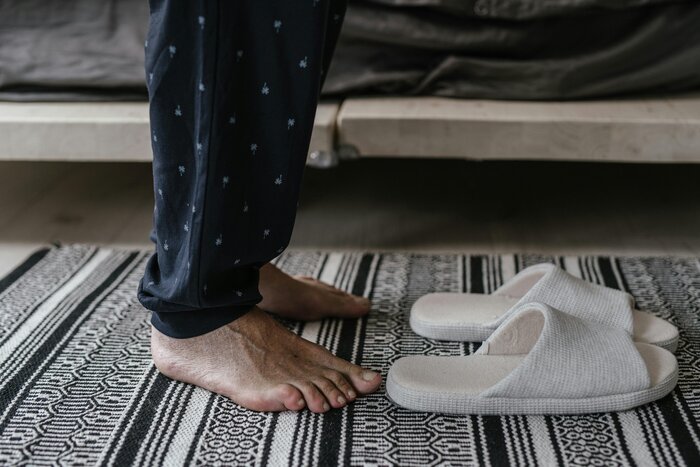
If your first steps in the morning feel like a sharp sting in the heel—or your arches ache after a day on your feet—your “around the house” footwear matters more than you might think. Many people with plantar fasciitis or chronic foot pain do everything right outdoors (supportive sneakers, insoles) and then switch to flat, floppy slippers at home. That sudden drop in support can keep symptoms lingering.
This guide breaks down what actually helps when shopping for slippers for plantar fasciitis, including which design details provide real relief, what to avoid, and how to choose a pair that supports you the moment your feet hit the floor.
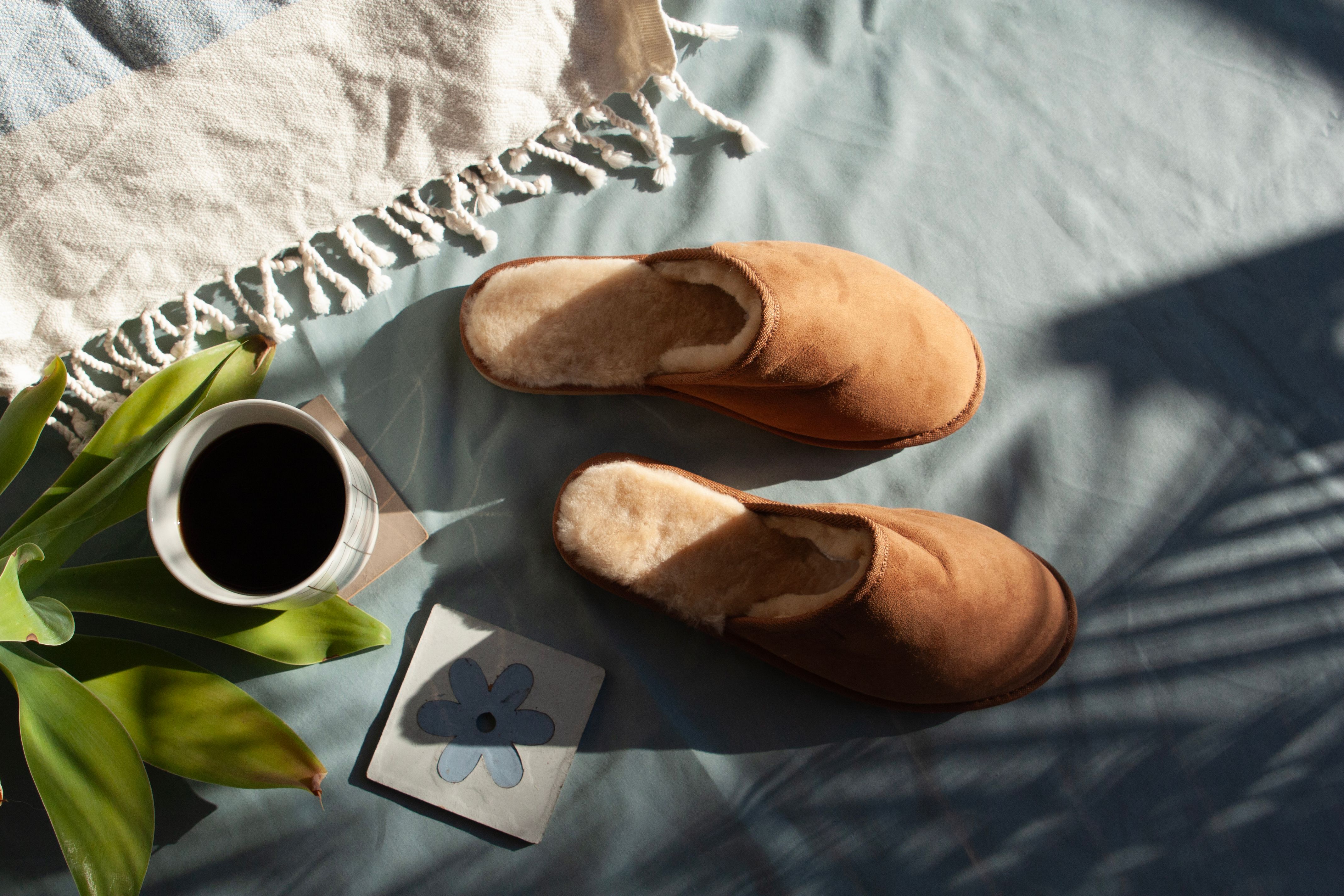
Why slippers can make (or break) plantar fasciitis and heel pain
Plantar fasciitis involves irritation of the plantar fascia—a thick band of tissue running from the heel to the toes that helps support the arch. Symptoms are often worst after rest, like getting out of bed or standing up after sitting. Heel pain can also come from a sensitive heel fat pad, Achilles tightness, or overuse patterns that load the heel and arch.
Supportive house slippers reduce strain by keeping your foot in a more neutral position, spreading pressure across the sole, and limiting excessive flattening (overpronation) that tugs on the plantar fascia. The best slippers for foot pain aren’t necessarily the plushest; they’re the ones that combine cushioning with structure and stability.
Support features that actually help
When you’re evaluating arch support slippers or foot pain relief slippers, focus on the pieces that control motion and manage pressure—not just softness.
1) Real arch support (not just a bump)
What to look for: A shaped footbed that contacts the arch without feeling like a hard knob. Support should feel evenly distributed from heel through midfoot.
Why it helps: Proper arch support reduces strain on the plantar fascia and can ease the “pulling” sensation through the bottom of the foot. For many people, slippers with arch support are the difference between “tolerable” and “painful” mornings.
- Higher arches: Often do well with a more contoured footbed that fills the arch.
- Flatter feet: Usually need supportive structure plus a stable base to prevent the foot from collapsing inward.
2) A deep, stabilizing heel cup
What to look for: A heel area that cradles the heel rather than letting it slide side-to-side. A slightly raised rim around the heel is a good sign.
Why it helps: A heel cup stabilizes the rearfoot, helps align the ankle, and can reduce irritation where heel pain concentrates. It also keeps your foot positioned over the supportive part of the footbed instead of drifting onto the edge.
3) Cushioning that’s resilient (not marshmallow-soft)
What to look for: Cushioning that compresses a bit but springs back. If you can twist the slipper easily or your thumb sinks in and stays there, it may be too soft for plantar fasciitis.
Why it helps: Overly soft foam can allow the arch to collapse and increase strain. For slippers for heel pain, you want impact absorption at the heel plus enough firmness to keep the foot from “bottoming out.”
4) Torsional stability and a supportive midsole
What to look for: A sole that resists twisting through the middle. A slightly thicker midsole often provides better support than a thin, flexible sole.
Why it helps: Plantar fasciitis often flares when the foot is forced to work harder to stabilize on soft, unsupportive surfaces. A stable midsole reduces that workload and improves comfort during long periods of standing at home.
5) A small heel-to-toe drop (sometimes)
What to look for: A slipper that is not completely flat. A mild drop can take tension off the Achilles, which can indirectly reduce plantar fascia strain for some people.
Why it helps: Tight calves and Achilles tension can increase load on the plantar fascia. A slight lift at the heel may feel more forgiving—especially during flare-ups.
6) Secure uppers that keep your foot from gripping
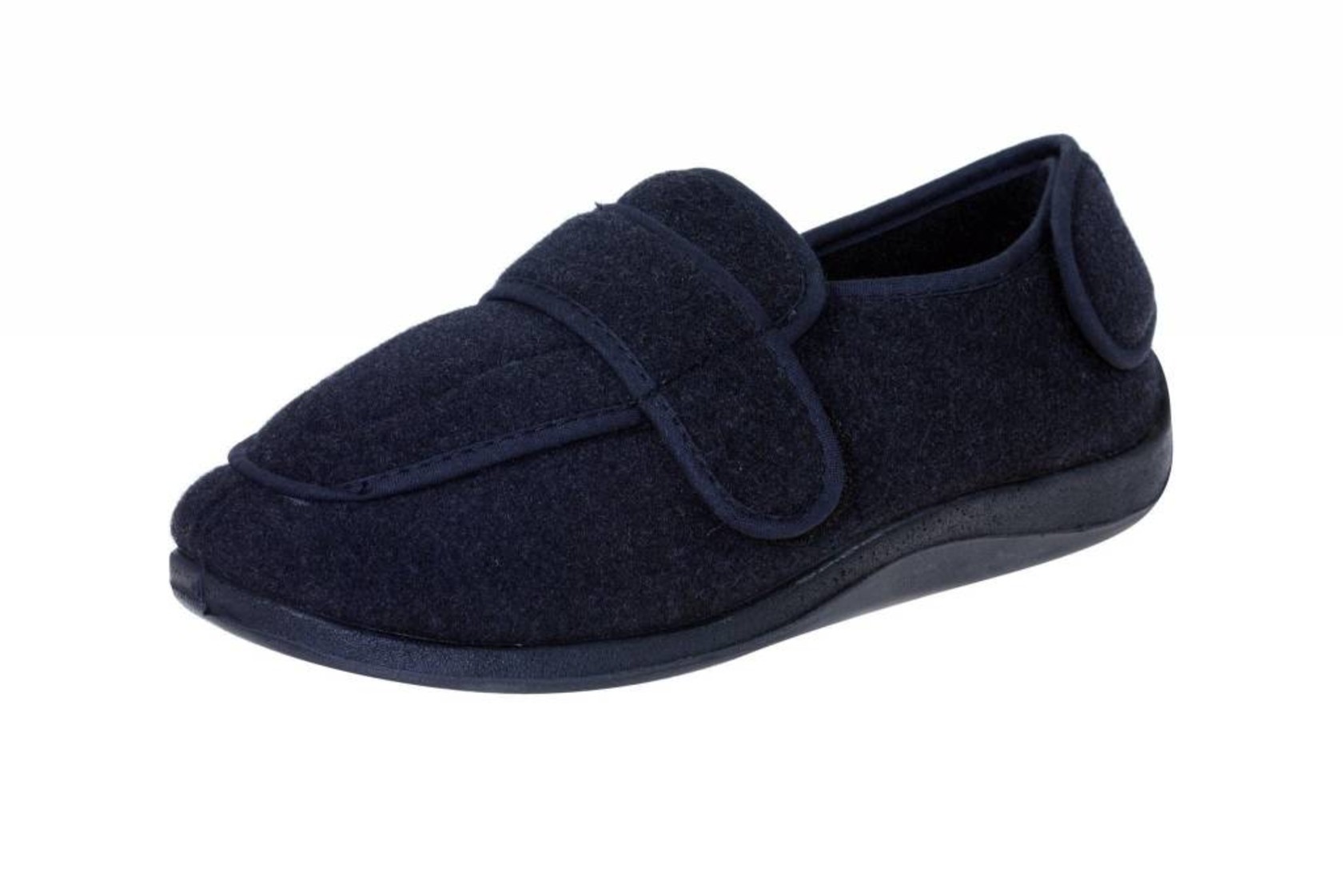
What to look for: A well-fitted upper, adjustable straps, or a structured slip-on that holds the foot in place.
Why it helps: If slippers are loose, you may subconsciously “claw” with your toes to keep them on. That toe-gripping can fatigue the foot muscles and aggravate arch discomfort. Supportive house slippers should feel stable without needing effort to wear.
7) A firm heel counter (in closed-back styles)
What to look for: In a closed-heel slipper, gently squeeze the back: it should have some structure rather than folding flat.
Why it helps: Added structure at the heel helps reduce wobble and can improve alignment—useful for people seeking orthopedic slippers men and anyone needing more stability at home.
What to avoid if you have plantar fasciitis
Some slipper styles are comfortable for short wear but can worsen symptoms over time.
- Paper-thin soles: Minimal protection from hard floors and no support for the arch.
- Very soft memory foam without structure: Feels good initially but often collapses and increases strain.
- Completely flat slippers: Can increase pull through the plantar fascia, especially if calves are tight.
- Loose, floppy mules: Can cause toe gripping and unstable walking patterns.
- Worn-out slippers: Once the heel area compresses and the footbed loses shape, support drops quickly.
Choosing the right style: slide vs mule vs closed-back
Different slipper shapes work for different needs. The key is matching the style to your stability requirements and how you use them (quick trips vs all-day wear).
Supportive slides
Best for: Quick on/off, moderate support needs, warmer climates, or people who dislike enclosed uppers.
Watch for: A slide should still feel secure. Look for a contoured footbed, stable sole, and an upper that holds the foot without forcing toe gripping.
Mules (open back)
Best for: Convenience with a bit more upper coverage.
Watch for: Many mules are too loose. If you choose this style, prioritize a supportive footbed and a stable sole, and make sure your heel doesn’t lift excessively as you walk.
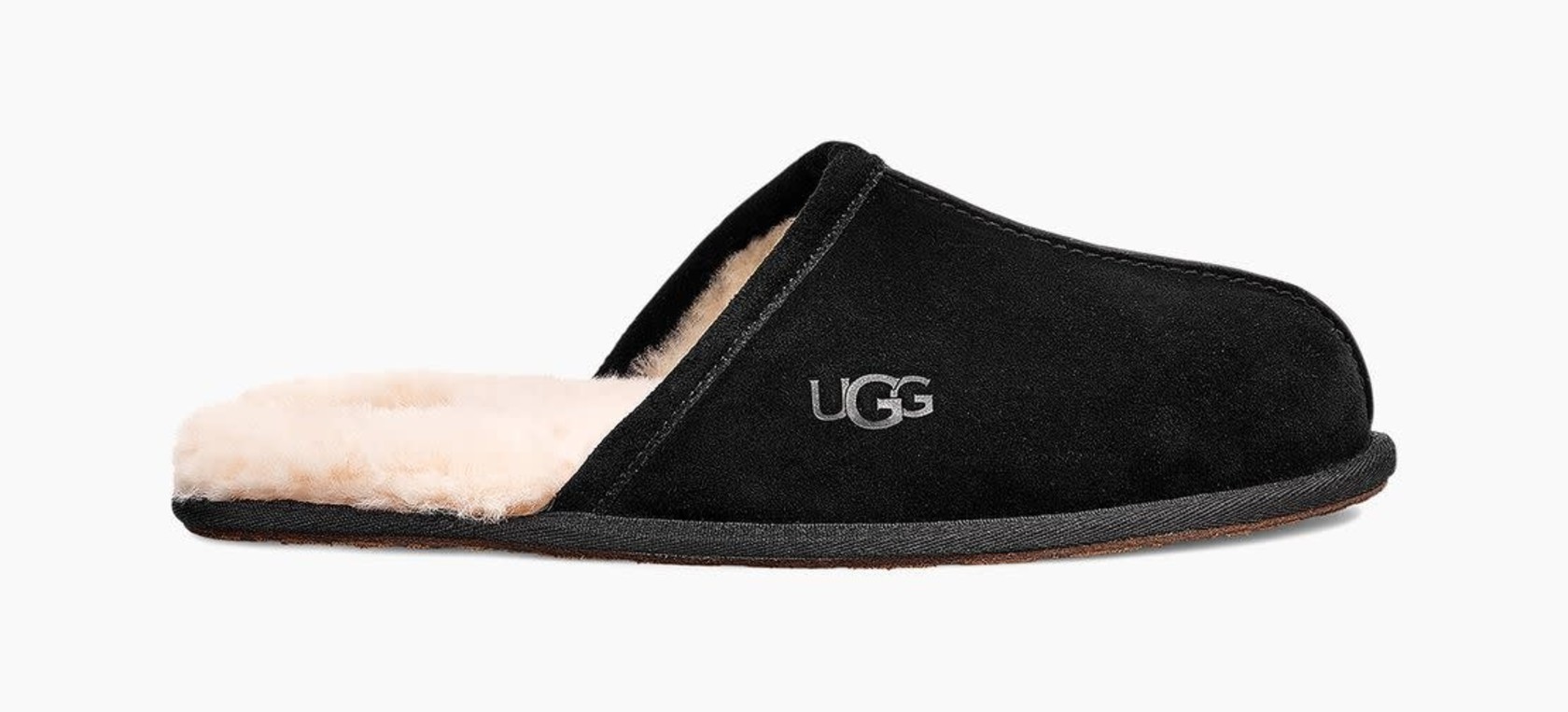
Closed-back slippers
Best for: Maximum stability, longer indoor wear, and anyone prone to ankle wobble or who wants a more “shoe-like” feel.
Watch for: Fit matters. A closed back that’s too tight can create rubbing; too loose defeats the purpose. A structured heel counter is a plus.
Fit tips that make supportive slippers work better
Even the best slippers for plantar fasciitis won’t help if the fit is off. These practical checks can prevent common problems.
- Length: Your toes should not hit the front, but you shouldn’t be sliding around. A thumb’s width of space is often a good target.
- Arch placement: The arch contour should sit under your arch—not in front of it. If it feels like it’s poking the wrong spot, sizing or shape may be wrong.
- Heel stability: Your heel should feel centered in the heel cup with minimal side-to-side movement.
- Socks vs barefoot: If you’ll wear socks, try slippers with socks. Fit changes more than many people expect.
- Break-in: Supportive footbeds can feel “different” at first. Start with short indoor sessions and build up if your feet are sensitive.
When to consider an insole-friendly slipper
Some people do best with their own orthotic or over-the-counter insert. In that case, look for a slipper with:
- A removable footbed so your insert sits flat
- Enough depth to avoid squeezing the top of the foot
- A stable base so the insert can do its job
This approach can be especially helpful for people who already know which insole works for their heel pain and want consistent support indoors and out.
Helpful at-home habits to pair with better slippers
Footwear is a major lever, but it’s not the only one. If you’re dealing with ongoing heel pain, these basics often help alongside supportive house slippers:
- Calf and plantar fascia stretching: Gentle, consistent stretching can reduce morning pain for many people.
- Don’t go barefoot on hard floors: Even a few minutes can be enough to irritate a sensitive heel.
- Alternate pairs: Rotating slippers can help the foam rebound and extend support life.
- Replace when support fades: If the heel looks compressed or the arch feels “flat,” it’s time.
If pain is severe, persistent, associated with numbness/tingling, or changes how you walk, it’s worth checking in with a podiatrist or physiotherapist to confirm the cause and rule out other issues.
A simple checklist for shopping the best slippers for foot pain
Use this quick filter when browsing options online or trying pairs in-store:
- Contoured footbed with real arch support
- Deep heel cup that cradles the heel
- Resilient cushioning (not overly soft)
- Stable sole that resists twisting
- Secure upper to prevent toe gripping
- Fit that places the arch in the right spot
If you’d like to browse options by style, you can explore Men’s Slippers or Women’s Slippers and then use the checklist above to narrow down what’s most likely to help your feet.
Bottom line
The slippers that help plantar fasciitis and everyday foot pain are the ones built like supportive footwear: structured arch support, a stabilizing heel cup, cushioning that doesn’t collapse, and a secure fit. If your current pair is flat, overly soft, or worn out, upgrading to slippers with arch support can make a noticeable difference in heel pain and comfort—especially during those first steps in the morning.