
BOGS vs. Kamik vs. Xtratuf: Comparing Top Rain Boot Brands
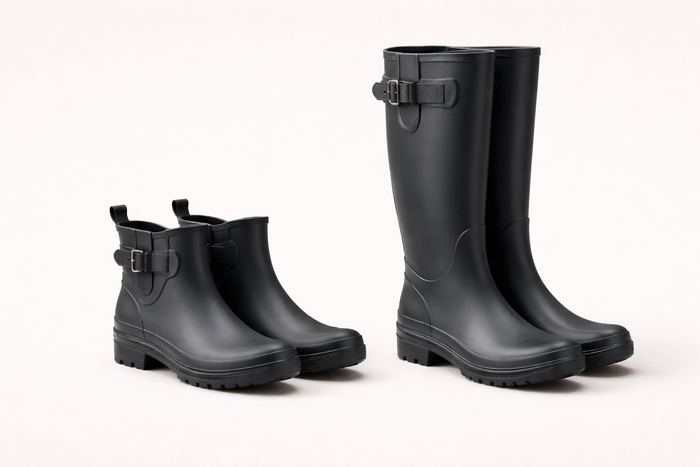
When it comes to staying dry and comfortable in wet weather, choosing the right rain boots can make all the difference. Three brands consistently rise to the top of consumer recommendations: BOGS, Kamik, and Xtratuf. Each brings its own unique strengths to the table, but which one is right for your needs? In this comprehensive guide, we'll break down the features, technologies, pricing, and best use cases for each brand to help you make an informed decision.
Understanding the Three Giants of Rain Footwear
Before diving into specific comparisons, it's important to understand what each brand represents in the rain boot market.
BOGS emerged from Oregon in 2002, designed specifically to handle the Pacific Northwest's notoriously wet and cold conditions. The brand built its reputation on creating boots that are lighter and more comfortable than traditional rubber boots while maintaining exceptional waterproof protection.
Kamik has been manufacturing footwear since 1898 in Quebec, Canada, earning the distinction of being called "The Boot That Built Canada." With over 125 years of experience, Kamik represents old-world craftsmanship combined with modern innovation, and the brand takes pride in being one of the last North American boot makers.
Xtratuf was born in the 1950s for commercial fishermen working in Alaska's brutal marine environments. Often called "Alaskan sneakers," these boots were engineered for professionals who depend on their footwear in life-or-death situations on fishing vessels.
Construction and Materials: What's Inside Each Boot
BOGS Construction Technology
BOGS boots utilize a distinctive construction method that sets them apart from traditional rain boots. Most BOGS rain boots feature hand-laid natural rubber uppers that are 100% waterproof and seamless, eliminating weak points where water could potentially seep through. The brand's proprietary Neo-Tech material consists of 7mm waterproof neoprene that provides flexibility even in extremely cold temperatures.
One of BOGS' standout features is their Max-Wick moisture management lining, which actively pulls sweat away from your feet to keep them dry from the inside out. This addresses one of the biggest complaints about rubber boots: the clammy, sweaty feeling that develops during extended wear. BOGS boots also incorporate DuraFresh bio-technology in their footbeds, which uses natural compounds to combat odor-causing bacteria.
The outsoles on BOGS boots feature their BioGrip technology, providing slip resistance and self-cleaning treads that shed mud and debris as you walk. Many BOGS models include molded EVA footbeds for cushioning and easy pull-on handles for quick donning.
Kamik Construction Innovation
Kamik boots showcase the brand's proprietary RubberHE technology, a lightweight synthetic rubber compound that the company specifically engineered to outperform traditional PVC and TPR materials. RubberHE remains pliable at temperatures as low as -50°C (-58°F) and has been tested to withstand over 1,000,000 flexes without cracking—an impressive durability claim backed by customer reports of boots lasting 8+ years.
The construction process for Kamik boots is environmentally conscious. Rubber off-cuts are shredded and reshaped into approximately 360,000 boots annually, and 90% of the company's cooling water operates on a closed-loop system. Many Kamik rain boots are 100% recyclable and made in North America with Canadian and foreign materials.
Kamik's GROUND-CTRL Rubber outsoles provide superior traction and flexibility while remaining lightweight and non-marking—perfect for boat decks or indoor/outdoor transitions. Inside, Kamik boots feature CushyStep EVA foam footbeds that are removable for easy cleaning and drying. The multi-directional tread design channels water away to prevent hydroplaning.
For odor control, Kamik uses Cleansport NXT treatment, a natural, non-toxic probiotic technology that breaks down odor-causing compounds without harsh chemicals.
Xtratuf Commercial-Grade Build
Xtratuf boots represent commercial-grade construction designed for the harshest marine environments imaginable. The brand's signature Legacy boots use a triple-dipping technique, where layers of natural rubber are hand-applied to create an exceptionally durable, chemical-resistant barrier. This construction method has remained virtually unchanged since the 1960s because it simply works.
The neoprene material used in Xtratuf boots is ozone-resistant and provides inherent chemical resistance—crucial for commercial fishing environments where exposure to diesel fuel, fish oils, and cleaning chemicals is constant. The Chevron outsole pattern has become iconic, offering slip resistance that's been battle-tested on wet boat decks where a fall could be fatal.
Xtratuf's Wheelhouse series features Spandura-reinforced uppers in high-wear areas like the toe and heel, extending the boot's lifespan significantly. These boots include dual-density outsoles and EVA/PU blend sockliners designed for professionals who stand 12+ hours daily on hard surfaces.
The SRC-rated outsoles on Xtratuf boots provide industry-leading slip and oil resistance, and all Xtratuf boots are 100% waterproof with non-marking soles—an essential feature for boat owners.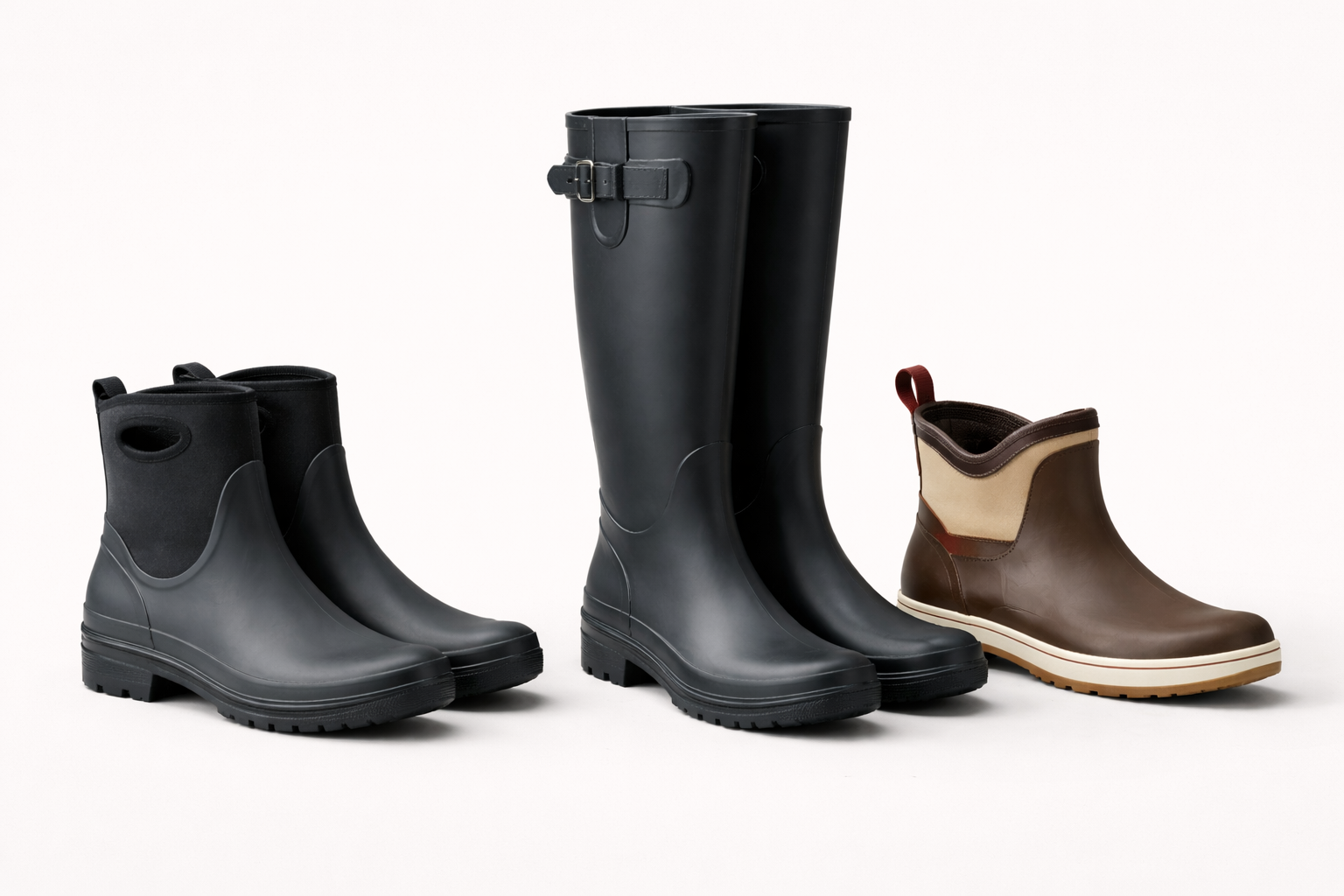
Waterproof Performance: How Do They Stack Up?
All three brands deliver genuine 100% waterproof performance, but their approaches differ slightly.
BOGS boots achieve waterproofing through seamless, molded construction that eliminates stitching and potential leak points. The natural rubber compound is inherently waterproof, and the neoprene upper adds a layer of insulation while maintaining the waterproof barrier. BOGS boots are reliably waterproof in puddles, rain, and light snow conditions.
Kamik rain boots use phthalate-free synthetic rubber that's 100% waterproof and latex-free, making them suitable for people with latex sensitivities. The injection-molded construction introduced in the 1970s ensures seamless waterproofing. Kamik boots excel in deep puddles and marshy conditions, with several reviewers noting they held up through significant water exposure.
Xtratuf boots represent the gold standard for waterproof performance in extreme conditions. Designed to keep commercial fishermen dry while standing in water on boat decks during multi-day fishing trips, these boots can handle complete submersion. The hand-laid rubber construction and triple-dipping process create a waterproof barrier that's proven itself in Alaska's fishing industry for over 60 years.
Verdict: For casual rain protection, all three perform excellently. For professional or extreme use, Xtratuf's commercial-grade waterproofing edges ahead.
Comfort and Fit: All-Day Wearability
BOGS Comfort Features
BOGS boots are widely praised for being the lightest option among serious rain boots. The flexible Neo-Tech material allows natural foot movement, and the easy pull-on handles make them genuinely quick to slip on and off. Many parents specifically choose BOGS for children because kids can independently manage them.
The Max-Wick lining helps prevent the sweaty, clammy feeling common with rubber boots. The molded EVA footbeds provide cushioning, though they're not removable in all models. BOGS boots tend to fit true to size with a roomy fit that accommodates thick socks. The lightweight construction means less fatigue during extended wear.
Some reviewers note that BOGS run quite tall, which can be perfect for tucking in pants but may bunch uncomfortably with certain clothing styles. The boots are less structured than traditional rubber boots, which some find more comfortable while others prefer more support.
Kamik Comfort Design
Kamik boots strike a balance between lightweight construction and supportive structure. The RubberHE material is lighter than traditional rubber but maintains enough structure for all-day support. The removable CushyStep footbeds are a significant advantage, allowing you to air out the insole or replace it with custom orthotics.
The generous calf fit on many Kamik models (like the Miranda) makes them accessible for people with larger calves. Kamik boots generally fit true to size, and the company offers detailed sizing information. The lightweight outsole reduces foot fatigue, and the flexible construction allows for natural stride patterns.
Customer reviews consistently mention that Kamik boots remain comfortable during extended wear, with several noting they wore them for full work shifts or long walks without discomfort. The easy-on side grips on some models help with donning and removal.
Xtratuf Comfort Considerations
Xtratuf boots prioritize durability and protection, which sometimes means compromising on lightweight construction. They're noticeably heavier than BOGS or Kamik options. However, the Wheelhouse series was specifically designed for commercial fishermen standing for 12+ hours on boat decks, so the boots incorporate serious comfort engineering.
The EVA/PU blend insoles in Xtratuf boots provide excellent cushioning for hard surfaces and prolonged standing. The Wheelhouse models feature a wider, commercial-grade fit that accounts for foot swelling during long shifts—a consideration for anyone on their feet all day.
Xtratuf boots typically run in whole sizes only, and the brand recommends sizing up if you're between sizes or plan to wear thick socks. The break-in period for Xtratuf boots can be longer than for BOGS or Kamik, as the thicker rubber needs time to conform to your foot.
The ankle-height designs (like the 6" Ankle Deck Boot) are notably comfortable and easy to walk in, making them popular beyond commercial fishing applications. The lower profile reduces bulk while maintaining full waterproof protection.
Verdict: BOGS wins for lightweight, easy-on comfort. Kamik offers the best balance of comfort and support. Xtratuf excels for heavy-duty, all-day standing on hard surfaces.
Traction and Grip: Performance on Wet Surfaces
Slip resistance is critical for rain boots, whether you're navigating wet city streets, muddy trails, or slippery boat decks.
BOGS boots feature the BioGrip outsole with a self-cleaning tread pattern. The design performs well on wet pavement and muddy surfaces. Reviewers note good traction for urban and suburban use, though the softer rubber compound prioritizes comfort over aggressive grip.
Kamik boots incorporate GROUND-CTRL Rubber technology with multi-directional treads that actively channel water away from the contact surface. The design excels on wet surfaces, ice, and snow. Multiple independent reviews praised Kamik's traction as excellent, with one review specifically noting "snow-tire-like traction."
Xtratuf boots use the legendary Chevron outsole pattern that's been trusted by commercial fishermen for decades. The SRC-rated slip resistance represents the highest industry standard. The oil-resistant sole maintains grip even on surfaces contaminated with diesel fuel or fish oils—conditions that would render most boots dangerously slippery.
The deep tread pattern on Xtratuf boots provides exceptional grip on wet boat decks, one of the most challenging surfaces imaginable. The non-marking quality ensures they won't leave scuff marks on fiberglass decks.
Verdict: For general wet conditions, Kamik offers exceptional traction. For professional marine use or oil-contaminated surfaces, Xtratuf is unmatched.
Temperature Range and Insulation
Rain boots aren't just for rain—many people need them for cold, wet conditions.
BOGS offers both insulated and non-insulated rain boot options. Their insulated models (like the Neo-Classic Tall) feature 7mm Neo-Tech insulation and carry comfort ratings down to -40°F (-40°C). The non-insulated rain boots work well for spring and fall weather but aren't intended for winter conditions. The neoprene construction provides some inherent insulation even in non-insulated models.
Kamik rain boots are typically non-insulated, designed for warmer wet weather. However, the brand offers separate winter boot lines with significant insulation. The RubberHE material remains flexible at extreme cold temperatures, so while the rain boots themselves aren't warm, they won't become stiff and crack in cold weather like some rubber boots. This flexibility makes them versatile for three-season use.
Xtratuf Legacy rain boots are primarily non-insulated, designed for the cool but not freezing temperatures of the Pacific marine climate. The neoprene provides minimal insulation. However, Xtratuf also offers insulated winter versions of their boots for extreme cold conditions. The non-insulated boots are ideal for temperatures above freezing when waterproofing is the primary concern.
Verdict: For three-season versatility with the option for winter warmth, BOGS offers the widest temperature range. For pure rain protection in moderate temperatures, all three perform well.
Style and Aesthetics
While function comes first with rain boots, style matters for everyday wear.
BOGS boots have evolved significantly in aesthetic appeal. The brand offers everything from classic solid colors to fun patterns and prints. The sleek, modern profile works well with casual outfits. BOGS boots don't scream "I'm wearing rain boots"—they're stylish enough for running errands or going to lunch. The brand has successfully positioned itself as both functional and fashion-forward.
Kamik offers a good selection of styles from classic to contemporary. Models like the Jennifer and Miranda feature stylish details like buckles and side accents. The brand has particularly strong options for people who want traditional rain boot aesthetics with modern performance. Kamik tends toward a slightly more rugged, outdoorsy look compared to BOGS.
Xtratuf boots have a distinctly utilitarian appearance. The iconic tan/brown color scheme with the Xtratuf logo is recognizable across Alaska and the Pacific Northwest. While not fashion-forward, Xtratuf boots have achieved a certain "cool" factor as authentic workwear—similar to Carhartt jackets or Blundstone Chelsea boots. In fishing communities, they're a badge of authenticity. The Salmon Sisters collaborations add artistic flair to the classic design.
Verdict: BOGS wins for urban style. Kamik offers the best classic rain boot look. Xtratuf provides authentic workwear aesthetics.
Durability and Longevity
How long will these boots last with regular use?
BOGS boots are known for solid durability. The seamless construction eliminates the most common failure point (seams). With proper care, BOGS boots typically last 3-5 years of regular use. They're particularly durable for light to moderate use but may show wear faster in commercial or heavy-duty applications. The soft rubber compound can wear down on rough surfaces.
Kamik boots have exceptional longevity reports. Multiple customers report boots lasting 8+ years with heavy use, with one reviewer noting their Kamiks "never cracked" despite wearing the soles flat. The RubberHE material's ability to withstand over 1,000,000 flexes without cracking translates to real-world durability. The removable footbeds extend the boot's useful life. Kamik's 70% North American manufacturing also means quality control standards are high.
Xtratuf boots are legendary for durability. The triple-dipped construction and commercial-grade build quality mean these boots regularly last 10+ years in professional use. They're designed to handle chemicals, constant salt water exposure, and daily abuse on fishing vessels. For casual use, Xtratuf boots may literally outlast their owner's need for them. The thicker rubber resists punctures and abrasions better than lighter boots.
Verdict: Xtratuf offers superior longevity for heavy use. Kamik provides excellent durability at a better price point. BOGS delivers good durability for everyday use.
Price Point and Value
Budget considerations matter when investing in quality footwear.
BOGS rain boots typically range from $80-150, with most models falling around $100-120. The price reflects the brand's technology and comfort features. While not the cheapest option, BOGS offers good value for people prioritizing lightweight comfort and easy wearability.
Kamik rain boots generally cost $50-150, with many excellent options under $100. The brand offers outstanding value, particularly considering the durability and the fact that many boots are made in North America. With sales and promotions, Kamik boots often represent the best value proposition in the rain boot market.
Xtratuf boots range from $90-170 for rain boots, with the classic Legacy boots around $140-160. While this represents a significant investment, the commercial-grade construction and exceptional longevity mean the cost-per-wear is actually quite low. For professional use, Xtratuf boots easily justify their price tag.
Verdict: Kamik offers the best overall value. BOGS provides good value for comfort-focused buyers. Xtratuf is the best investment for long-term, heavy-duty use.
Best Use Cases: Which Boot for Which Activity?
Choose BOGS If You:
- Want the lightest, most comfortable rain boots for everyday wear
- Need something easy for kids to put on independently
- Prefer modern styling that works in urban environments
- Want versatile boots for running errands, dog walking, or light outdoor activities
- Value moisture management to prevent sweaty feet
- Need insulated options that transition from rain to snow
Choose Kamik If You:
- Want maximum value without compromising on quality
- Need boots that will last many years with proper care
- Prefer to support North American manufacturing
- Want removable footbeds for cleaning or custom orthotics
- Need boots for wet outdoor work or activities
- Value environmental sustainability and recyclability
- Want classic rain boot styling with modern technology
Choose Xtratuf If You:
- Work in commercial fishing, maritime, or marine industries
- Need maximum durability for daily professional use
- Require chemical and oil resistance
- Want the best possible traction on wet, slippery surfaces
- Can tolerate heavier boots in exchange for superior protection
- Appreciate authentic, time-tested workwear
- Need boots that perform in extreme conditions
Environmental Considerations
Sustainability increasingly matters to consumers.
BOGS uses natural rubber in their construction and has made efforts toward sustainability, though they're less transparent about environmental initiatives than Kamik. The durable construction means less frequent replacement, which reduces environmental impact.
Kamik leads in environmental responsibility among these three brands. Their 90% closed-loop cooling water system, rubber recycling program that repurposes 360,000 boots annually, and commitment to 100% recyclable boots demonstrate genuine environmental commitment. Many Kamik boots are vegan-friendly and made without animal byproducts.
Xtratuf boots' exceptional longevity means fewer boots end up in landfills. The natural rubber construction is more environmentally friendly than synthetic alternatives, though the brand doesn't heavily market sustainability initiatives.
Verdict: Kamik wins for environmental responsibility and transparency.
Customer Satisfaction and Reviews
Real-world feedback provides valuable insights.
BOGS receives consistently positive reviews, with customers particularly praising the lightweight construction and comfort. Common themes include: easy to put on, great for kids, comfortable for all-day wear, and versatile for different conditions. Some customers note they're less warm than expected without insulation.
Kamik boasts exceptional customer loyalty, with many reviews mentioning multiple pairs purchased over years. Reviewers consistently highlight the durability, value, and comfort. The brand receives praise from professional users and casual consumers alike. Some customers specifically note they last longer than competing brands.
Xtratuf has cult-like following in fishing communities and Alaska. Reviews emphasize the unmatched durability and waterproofing. Professional users report boots lasting decades. Urban users sometimes find them heavier than preferred but acknowledge the quality. The brand has very high customer retention.
The Verdict: Which Brand Should You Choose?
There's no single "best" rain boot brand—the right choice depends on your specific needs and priorities.
Choose BOGS if you want comfortable, lightweight, stylish rain boots for everyday urban and suburban use. They're perfect for people who want boots that feel less bulky and cumbersome than traditional rain boots while still providing excellent protection.
Choose Kamik if you want outstanding value, proven durability, and North American manufacturing quality. Kamik boots offer professional-grade performance at consumer-friendly prices, making them ideal for budget-conscious buyers who won't compromise on quality.
Choose Xtratuf if you need commercial-grade boots that will withstand the harshest conditions and last for decades. They're the premium choice for professionals, serious outdoor enthusiasts, and anyone who views footwear as a long-term investment.
Where to Buy
All three brands are widely available, but for the best selection of BOGS, Kamik, and Xtratuf women's rain boots, visit Schreter's comprehensive rain boot collection. Schreter offers expert guidance and a curated selection to help you find the perfect rain boots for your needs.
Final Thoughts
The rain boot market offers excellent options at various price points. BOGS brings Oregon innovation and lightweight comfort. Kamik delivers Canadian heritage and outstanding value. Xtratuf provides Alaskan-tested durability and commercial-grade performance.
Consider how you'll primarily use your rain boots. Occasional rain protection? BOGS. Regular outdoor use and best value? Kamik. Professional demands or extreme conditions? Xtratuf.
Whichever brand you choose, investing in quality rain boots from any of these three manufacturers will keep your feet dry and comfortable for years to come. The days of choosing between protection and comfort are over—modern rain boots deliver both.
Ready to find your perfect pair? Explore the full selection of women's rain boots at Schreter and step confidently into any weather.