
Indoor Outdoor Slippers vs Indoor-Only: Which Sole Type Is Right for Your Lifestyle?
Why the sole matters more than you think
When people shop for slippers, they often start with warmth and softness. But the sole is what determines how safe, quiet, and versatile your slippers feel day to day. The choice between indoor outdoor slippers and indoor only slippers mostly comes down to the sole: how much traction it has, how it handles moisture, and whether it’s built to handle pavement, steps, and quick trips outside.
If you’re trying to choose best soles for slippers for your routine, this guide breaks down the trade-offs clearly so you can buy once and wear them often.
Indoor-only slippers: light, quiet, and floor-friendly
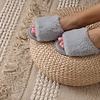
Indoor only slippers typically use softer soles such as suede, felt, textile, or thin EVA/foam. They’re designed to feel flexible underfoot and to move quietly around the house. If your slippers never see the driveway or the sidewalk, this category can be the most comfortable option.
Pros of indoor-only soles
- Quiet on hard surfaces: Soft soles tend to be less “slappy” on tile and are gentle for apartment living.
- More flexibility: Great if you like a slipper that feels almost like a sock but with more support and warmth.
- Often lighter and warmer: Indoor-only designs can prioritize cozy materials and insulation without adding heavy outsole rubber.
- Better for delicate floors: Many people shopping for slippers for hardwood floors prefer non-marking, softer soles that reduce the risk of scratches.
Cons of indoor-only soles
- Not made for wet ground: A soft sole can soak through quickly when stepping onto snow, slush, or damp concrete.
- Wears faster outdoors: Even a short walk to the mailbox can chew up thin foam or textile soles.
- Less traction: Some indoor-only soles are fine on dry floors, but they’re not always slip resistant slippers on slick tile or stairs.

Indoor outdoor slippers: a house shoe that can handle errands
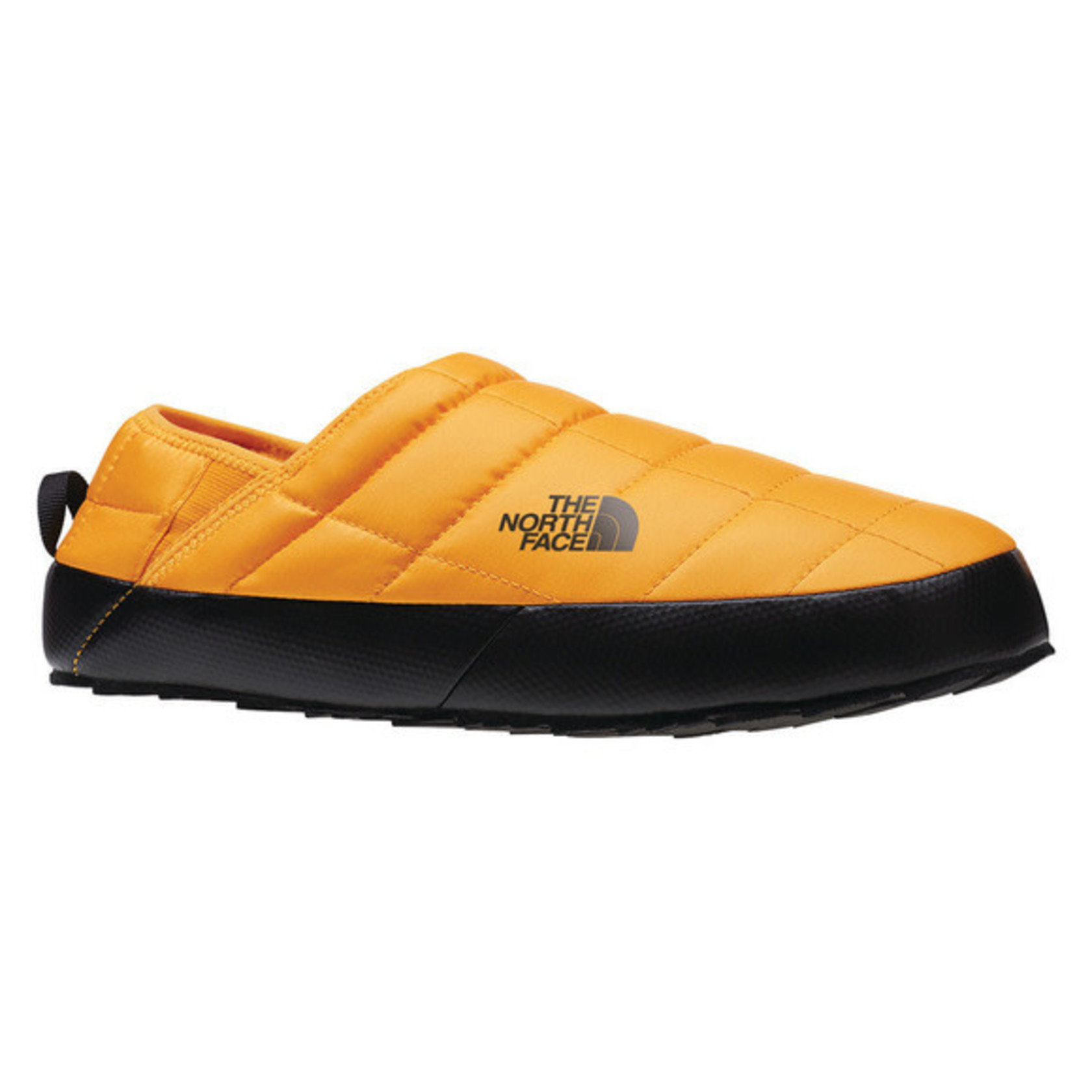
Indoor outdoor slippers are built for versatility. The defining feature is a sturdier outsole, frequently slippers with rubber soles or a rubber-like compound designed to grip and resist abrasion. If you want one pair that works for kitchen tile, the back deck, and quick runs outside, these are often the best value.
Pros of indoor-outdoor soles
- Traction and stability: A lugged or patterned outsole can make a noticeable difference on steps, wet patios, or smooth floors.
- Better durability: If you’re looking for durable house slippers, outdoor-capable outsoles generally last longer under daily wear.
- More protection: Rubber outsoles add a barrier from cold ground and small debris.
- Convenience: Ideal if your routine includes walking the dog, taking out the trash, or grabbing something from the car without changing shoes.
Cons of indoor-outdoor soles
- Can feel stiffer: More structure can mean less slipper-like flexibility, especially compared with soft indoor soles.
- May be louder indoors: Some rubber outsoles make more noise on hardwood.
- Track-in risk: If you wear them outside, you can bring in grit or moisture unless you’re careful at the door.
Rubber soles vs soft soles: what actually changes?
You’ll see lots of styles marketed as “outdoor” or “indoor/outdoor,” but the outsole material is what determines performance.
Slippers with rubber soles
- Grip: Often the best option if you want slip resistant slippers, especially on wet surfaces.
- Longevity: Rubber is more abrasion-resistant than foam or textile.
- Support: Many rubber-soled slippers also include thicker midsoles or footbeds, which can feel better for longer wear.
- Trade-off: Slightly heavier and sometimes less “cozy” feeling underfoot.
Soft indoor soles (suede, textile, thin foam)
- Comfort and flexibility: Great for lounging and warmth.
- Floor feel: Typically gentler and quieter on hardwood.
- Trade-off: Less protection and faster wear if you step outside frequently.

Match the sole to your lifestyle: quick decision guide
Use these real-life scenarios to narrow your choice between outdoor slippers (or indoor/outdoor styles) and indoor-only options.
If you have hardwood floors
For slippers for hardwood floors, look for non-marking soles with a good balance of traction and softness.
- Choose indoor only slippers if you want quiet steps and don’t need outdoor versatility.
- Choose indoor outdoor slippers if you want added grip and stability, but prioritize outsoles described as non-marking and avoid overly aggressive lugs if you’re concerned about noise.
If you go outside multiple times a day
If you regularly step onto porches, stairs, or pavement, slippers with rubber soles are usually the safer and longer-lasting pick.
- Look for deeper tread and a thicker outsole for wet ground.
- Consider a closed-heel style if you want a more secure fit for outdoor steps.
If you want maximum cozy comfort for lounging
If your slippers are mainly for mornings and evenings indoors, soft-soled indoor only slippers often feel warmer and more flexible.
- Choose plush linings and a softer outsole for a “barely-there” feel.
- Make sure the sole has at least some texture if you’re on tile or polished floors.
If you need better traction indoors
Not all slipping happens outside. Smooth tile, polished hardwood, and stairs can be the real test. If traction is a concern, shop specifically for slip resistant slippers with a patterned outsole and a stable heel cup.
- Rubber or rubber-like outsoles usually outperform smooth suede on slick surfaces.
- Avoid completely flat soles with minimal tread if you want grip.
What to look for when shopping: sole features that matter
Whether you choose indoor-only or indoor/outdoor, these outsole details help you judge quality quickly.
Tread pattern
Deeper, multidirectional tread tends to grip better outdoors and on wet surfaces. For indoor use, you still want texture, but ultra-aggressive lugs can be noisy and may track debris.
Thickness and edge stability
A thicker outsole can feel more protective on cold floors and concrete. A slightly raised sidewall or structured edge can also help the slipper feel stable when you pivot or take stairs.
Non-marking materials
If you have light hardwood or smooth floors, non-marking rubber (or rubber-like compounds) can help prevent scuffs. It’s also a good sign the slipper is meant to live indoors, not just outside.
Water resistance (or lack of it)
Most slippers aren’t truly waterproof. But indoor outdoor slippers with rubber outsoles handle brief exposure to damp ground far better than soft soles that absorb water quickly.
Which should you buy?
Choose indoor only slippers if your priority is lightweight comfort, warmth, and quiet steps, especially if you mostly stay inside and want something gentle on floors. Choose indoor outdoor slippers if you want one pair that can handle the patio, quick errands, and frequent door-to-driveway trips, and you value durable house slippers that last.
If you’re ready to compare options, browse Schreter’s curated collections for Men’s Slippers and Women’s Slippers. Focus first on the outsole: it’s the best predictor of whether the slippers will fit your lifestyle.