
Timberland vs Sorel vs Kamik: Which Winter Boot Brand Is Best for Montreal Weather?
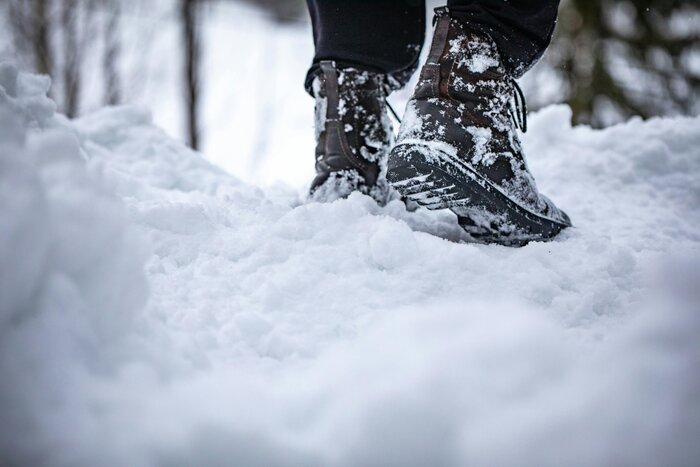
Montreal winters are a special kind of test: deep cold snaps, wet snow that turns into slush, sudden freeze-thaw cycles, and sidewalks that can feel like an ice rink by 5 p.m. If you’re searching “Timberland vs Sorel vs Kamik: Which Winter Boot Brand Is Best for Montreal Weather?” you’re already asking the right question—because the best winter boot isn’t just about looking good. It’s about traction on ice, insulation that matches your commute, and materials that can handle salt-stained sidewalks.
Below is a practical winter boot brand comparison focused on real Montreal conditions. We’ll break down what each brand does best, where each one can fall short, and how to choose based on your lifestyle—whether you’re walking to the métro, driving, shoveling, or spending weekends outdoors.
What Montreal Weather Demands From Winter Boots
Before comparing brands, it helps to define what “good” looks like in a Montreal winter. The best winter boot brands for this city typically excel in four areas:
- Traction on ice and packed snow: Outsoles matter more than most people think. Deep lugs help in snow, but ice grip often depends on rubber compound and tread design.
- Warmth that matches your activity: Heavy insulation can be great for standing outside, but may overheat you during indoor errands or long métro rides.
- Waterproofing for slush: Montreal isn’t just cold—it’s wet. Waterproof membranes, sealed seams, and tall enough shafts to block slush are key.
- Durability vs. salt: Road salt can destroy leather and stitching. Protective finishes and easy-to-clean uppers become real value over time.
With that checklist in mind, let’s compare Timberland, Sorel, and Kamik—the three names that come up most often in Montreal winter shopping conversations.
Quick Brand Snapshot: Timberland vs Sorel vs Kamik
If you want the fastest takeaway from this Timberland vs Sorel (and Kamik) debate, here it is:
- Timberland: Best for style-forward winter wear, everyday waterproofing, and comfort—especially if you want one boot that transitions well from street to café.
- Sorel: Best for maximum weather protection, slush-proof builds, and true winter functionality—often a top pick for harsh, wet cold.
- Kamik: Best value and strong performance for the price, with many models built for Canadian conditions (often lightweight and practical).
Now, let’s get into the details that actually determine whether your feet stay warm and steady in February.
Timberland Winter Boots: Strengths, Trade-Offs, Best For
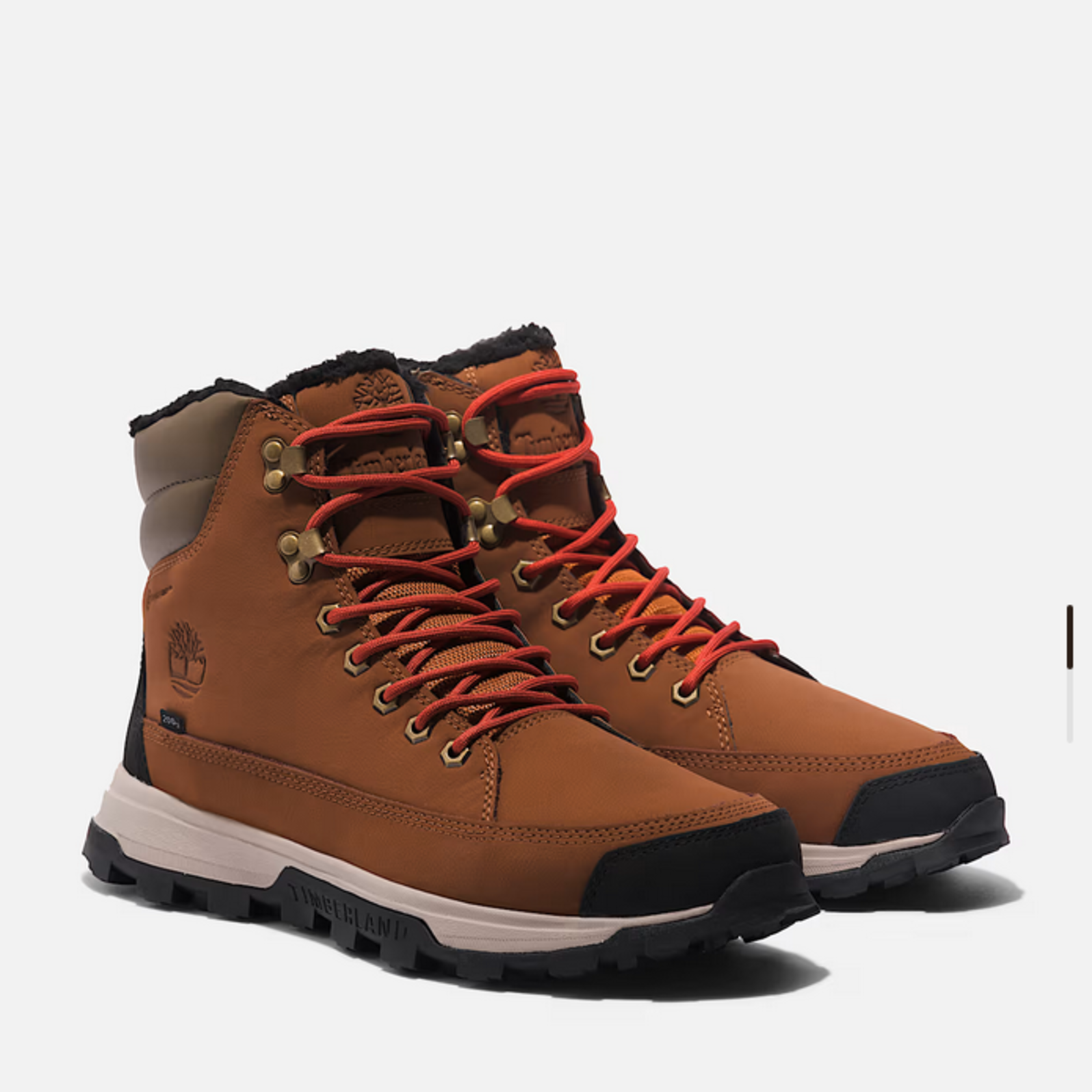
Timberland is known for iconic leather boots and urban-friendly styling. In a Montreal context, Timberland winter models tend to appeal to people who want a boot that looks good indoors and out—without feeling like a heavy expedition boot.
Where Timberland shines
- Comfort for daily wear: Many Timberland winter boots prioritize cushioning and walkability, which matters if you’re on your feet all day.
- Style versatility: Timberland often wins on “one-boot-for-everything” aesthetics—easy to pair with jeans, wool trousers, or casual workwear.
- Good waterproof options: Several Timberland lines offer waterproof leather and sealed construction that handles slush well.
Potential drawbacks in Montreal
- Ice traction varies by model: Not all Timberland outsoles are optimized for glare ice. In freeze-thaw weeks, this can be a deciding factor.
- Warmth depends on the specific boot: Some Timberland pairs are ideal for mild-to-moderate cold, but may not be the warmest choice for long outdoor exposure.
Best Timberland use case
Choose Timberland if your typical winter day is mostly city walking, short outdoor bursts, and you want a boot that looks sharp for work or social plans. If you’re shopping for everyday city pairs, browse men's winter boots to compare silhouettes and insulation levels.
Sorel Winter Boots: Montreal Slush Specialists
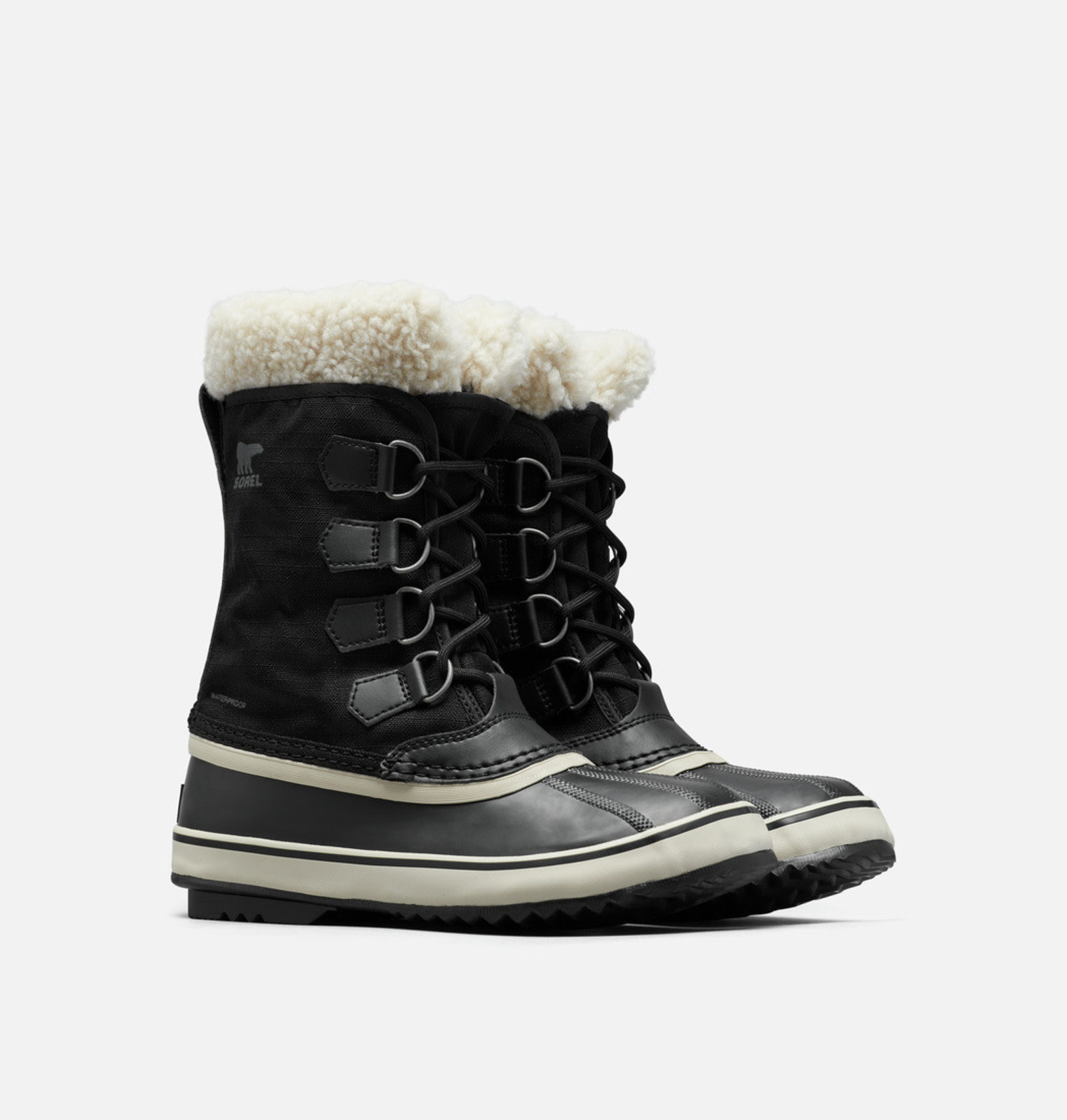
Sorel has a long-standing reputation for rugged winter footwear, and many of its popular models are designed specifically for wet snow, slush, and cold wind—exactly what Montreal throws at you from December through March.
Where Sorel shines
- Serious weather protection: Sorel boots often feature waterproof uppers, taller shafts, and protective rubber lowers—great when sidewalks turn into slush channels.
- Warmth-forward designs: Many Sorel models focus on insulation and heat retention, which helps in extended cold exposure.
- Confidence in messy conditions: If you regularly walk through unplowed patches, Sorel’s build can feel reassuring.
Potential drawbacks in Montreal
- Bulk and weight: Maximum protection can mean a heavier boot. If you’re climbing stairs at Berri-UQAM or moving fast between errands, some pairs may feel clunky.
- Indoor overheating: Highly insulated boots can be too warm in heated indoor spaces—especially if you keep them on for long periods.
Best Sorel use case
Sorel is a strong pick if you’re outdoors a lot, you deal with deep slush on side streets, or you want a “no-excuses” winter boot that prioritizes function. For fashion-meets-function winter dressing, Sorel often competes directly in the Timberland vs Sorel conversation because both can be city-friendly—but Sorel typically leans more protective.
Kamik Winter Boots Review: Value, Practicality, and Canadian DNA
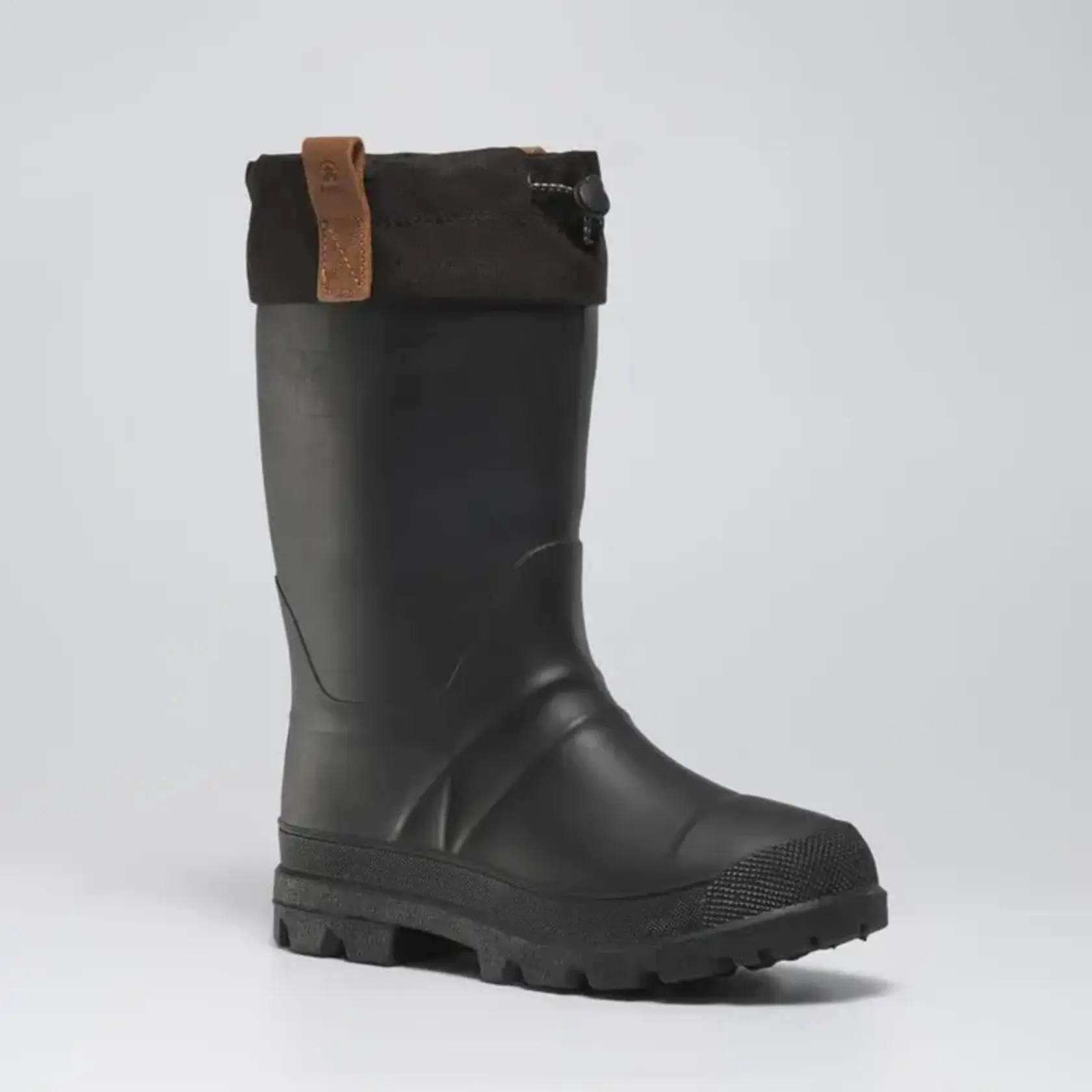
A Kamik winter boots review often comes down to one theme: you get a lot of winter performance for the money. Kamik is commonly discussed among Canadian winter boot brands, and many Montreal shoppers like the brand for practical design choices and approachable price points.
Where Kamik shines
- Great value: Kamik tends to offer solid warmth and waterproofing without pushing into premium price territory.
- Lightweight options: Many Kamik boots feel easier to wear all day compared with heavier traditional winter builds.
- Made-for-winter focus: Kamik’s lineup often targets true winter needs (snow, slush, cold) rather than purely lifestyle aesthetics.
Potential drawbacks in Montreal
- Fit and styling can be model-specific: Some Kamik boots are more utilitarian looking; others are sleeker. It’s worth choosing based on your wardrobe and commute.
- Traction differences across the lineup: As with any brand, outsole grip is not identical across models—check tread depth and rubber feel.
Best Kamik use case
Pick Kamik if you want dependable winter protection at a smart price, you’re hard on your boots, or you need a practical pair for daily commuting and weekend snow days. If you’re also shopping for a style that works beyond peak winter, consider rotating with lighter casual boot options when sidewalks are dry.
Winter Boot Brand Comparison: Head-to-Head for Montreal
Here’s a practical, Montreal-focused winter boot brand comparison of Timberland, Sorel, and Kamik across the features that matter most.
1) Warmth: Who wins in deep cold?
- Sorel: Often the warmest feel overall, especially in models designed for extended exposure.
- Kamik: Strong warmth-to-weight ratio; many models are impressively warm without feeling overly bulky.
- Timberland: Warmth varies widely—excellent in certain insulated, winter-specific pairs, but not always as “deep winter” as Sorel.
2) Waterproofing: Slush and puddles
- Sorel: Frequently excels in wet snow and slush due to protective rubber lowers and waterproof builds.
- Timberland: Great waterproof options exist, especially with treated leather and sealed seams—ideal for city slush when paired with the right outsole.
- Kamik: Many models are built with winter wetness in mind; performance depends on the specific construction and materials.
3) Traction: The real test—ice
Ice grip is the hardest category to generalize because outsole compounds and tread patterns vary by model. As a rule of thumb:
- Sorel: Typically stable in snow and slush; ice performance can still vary, so check reviews and tread design.
- Kamik: Often reliable for everyday winter walking; look for deeper lugs and a rubber compound that feels grippy (not hard/plasticky).
- Timberland: Comfortable for city use, but prioritize winter-specific outsoles if your route includes icy patches.
4) Comfort and wearability: commuting, métro, errands
- Timberland: Usually the easiest “all-day” wear for urban life—good cushioning and a lifestyle fit.
- Kamik: Frequently lightweight and practical for commuting.
- Sorel: Protective but sometimes heavier—great for outdoors, less ideal if you want a sleek, low-profile feel.
5) Value: price vs performance
- Kamik: Often the best value proposition—strong winter performance per dollar.
- Timberland: You’re paying for materials and style; value is excellent if you’ll wear them across seasons.
- Sorel: Worth it if you need serious protection; value improves the harsher your winter routine is.
Which Brand Is Best for You? Montreal Scenarios
Still unsure? Use these common Montreal scenarios to pick the brand that fits your real day-to-day.
- You commute mostly by métro and walk several blocks: Timberland or Kamik for lighter feel and comfort, as long as you choose a winter outsole with solid tread.
- You walk through slush daily (Plateau side streets, curb puddles, snowbanks): Sorel is often the most forgiving choice.
- You drive most places but need warmth for quick errands and parking-lot wind: Kamik is a great value pick; Timberland works well if you want more lifestyle styling.
- You’re outside for long stretches (dog walks, outdoor events, shoveling): Sorel for protection and warmth; Kamik can also be excellent depending on the model.
- You want one boot that looks good at work and performs in winter: Timberland is a common winner—just choose a truly winter-ready model.
Choosing the Right Pair: A Montreal Buyer’s Checklist

No matter which brand you choose, use this checklist before buying:
- Prioritize traction: In Montreal, ice is the dealbreaker. Look for deeper lugs and a grippy rubber outsole.
- Confirm waterproofing: “Water-resistant” isn’t enough for slush. Look for waterproof membranes or waterproof leather with sealed seams.
- Match insulation to your routine: If you’re indoors often, moderate insulation may be more comfortable than maximum warmth.
- Leave room for winter socks: A boot that’s too tight will feel colder. Try on with the socks you’ll actually wear.
- Think about shaft height: Higher shafts help in deep snow and slush. Lower boots are easier for daily errands.
Final Verdict: Timberland vs Sorel vs Kamik for Montreal
So, which is best? It depends on your priorities:
- Choose Timberland if you want everyday comfort and versatile style for city winter life—best when you pick a model with true winter traction and waterproofing.
- Choose Sorel if Montreal slush, wet snow, and harsh conditions are your main challenge—this is often the “maximum protection” pick.
- Choose Kamik if you want excellent value and practical winter performance from one of the most recognized Canadian winter boot brands.
Ultimately, the “best” boot is the one that matches your commute, your tolerance for bulk, and the conditions you face most days.
Shop Winter Boots Built for Montreal
Ready to find the right pair for the season? Explore our curated winter-ready styles for both comfort and protection: shop men's winter boots and the women's winter boots collection to compare insulation levels, materials, and profiles. If you’re building a flexible footwear rotation for changing conditions, don’t miss our casual boot options for dry days and transitional weather.
Call to action: Choose your winter priority—maximum warmth, all-day comfort, or best value—then shop your next pair today so you’re ready before the next Montreal freeze-thaw cycle hits.