
Understanding Boot Insulation: Thinsulate, Down, and Synthetic Materials Explained
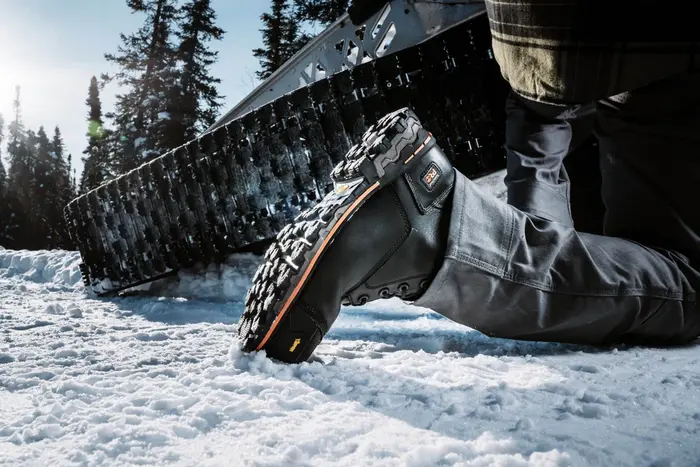
When shopping for winter boots, you'll encounter various insulation types and specifications that can feel overwhelming. Should you choose 400 grams of Thinsulate or 600 grams? Is down insulation better than synthetic? What do these numbers actually mean for keeping your feet warm? Understanding boot insulation materials empowers you to make informed decisions that ensure your feet stay comfortable regardless of what winter throws at you.
At Schreter's Clothing Store, our nearly century-long experience serving Montreal's harsh winters has taught us exactly how different insulation materials perform in real-world conditions. This comprehensive guide demystifies boot insulation, explaining how various materials work, their advantages and limitations, and which situations call for specific insulation types.
How Boot Insulation Actually Works
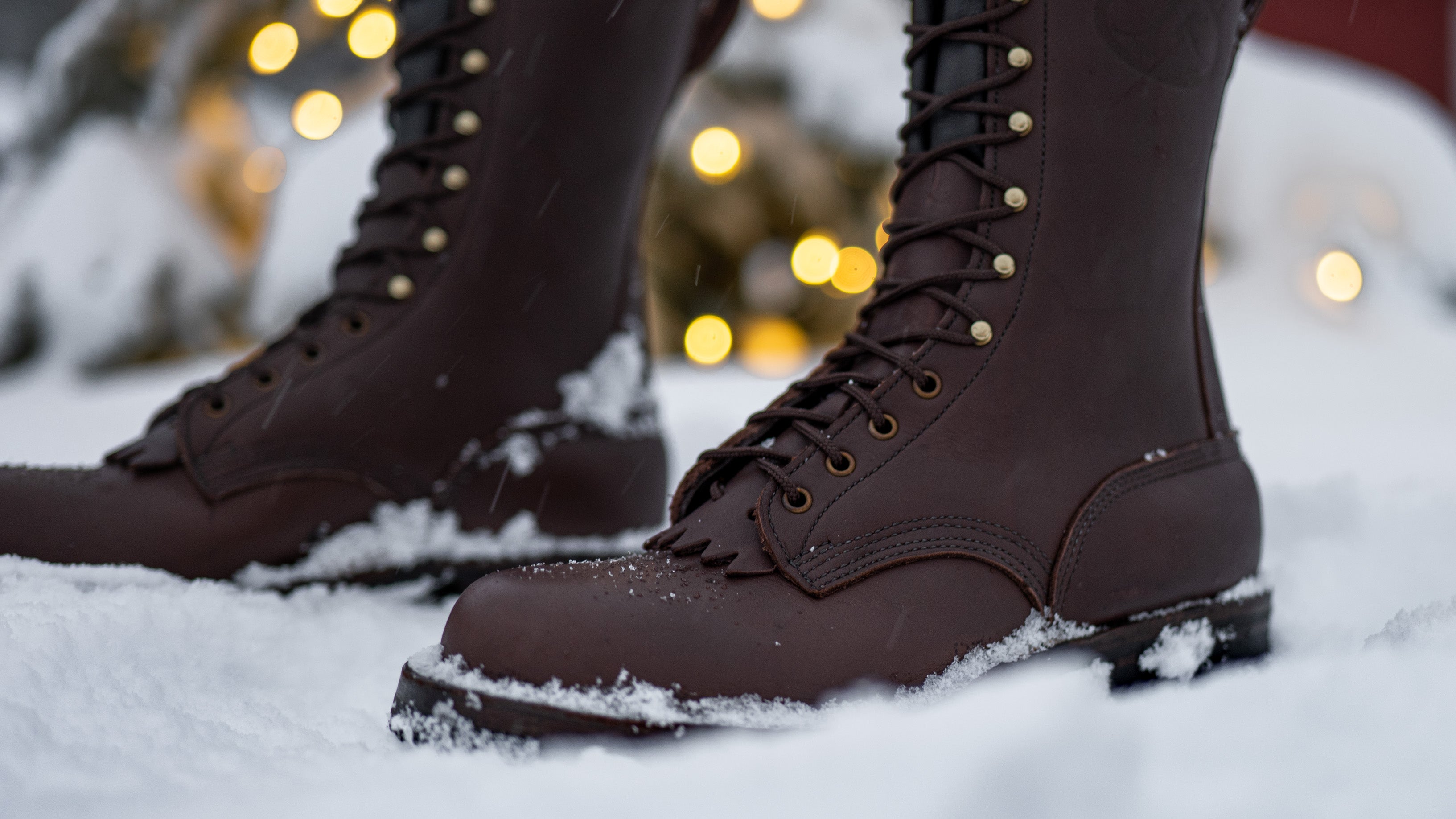
Before diving into specific materials, understanding the fundamental principles of insulation helps you evaluate different options:
The Science of Staying Warm
Your feet generate heat naturally through metabolic processes and blood circulation. Insulation doesn't create warmth—it prevents the heat your body produces from escaping into the cold environment. Effective insulation creates tiny air pockets that trap warm air close to your skin while preventing cold external air from reaching your feet.
The effectiveness of any insulation material depends on several factors:
Trapped Air Volume: More air pockets mean better insulation. The best insulation materials create maximum air volume with minimum material weight.
Air Pocket Size: Tiny air pockets prevent convective heat loss (warm air moving away from your body). Large air spaces allow air circulation, reducing insulation effectiveness.
Material Resilience: Insulation must maintain its loft (thickness) under compression. Crushed or compressed insulation loses air pockets, dramatically reducing warmth.
Moisture Management: Wet insulation loses most of its insulating ability because water fills air pockets and conducts heat away from your body. Quality insulation either resists moisture or maintains some insulating ability even when damp.
Why Boot Insulation Differs from Jacket Insulation
Boots face unique challenges compared to jackets or other insulated clothing. Feet generate less heat than your core, making them more susceptible to cold. Boots endure ground contact, which conducts cold directly through soles. They encounter moisture from both external sources (snow, slush) and internal sources (foot perspiration). Finally, boots experience significant compression from standing and walking, which can crush insulation and reduce effectiveness.
These challenges require boot insulation that's specifically engineered for footwear applications rather than simply adapting jacket insulation technologies.
3M Thinsulate: The Gold Standard for Boot Insulation
What is Thinsulate?
Developed by 3M in the late 1970s, Thinsulate revolutionized cold-weather gear with microfibers approximately ten times thinner than traditional insulation fibers. These ultrafine fibers create more air pockets per square inch than conventional materials, delivering exceptional warmth relative to thickness. This property makes Thinsulate ideal for boots, where bulk must be minimized while maintaining warmth.
Thinsulate comes in various formulations, but boots typically use Thinsulate Ultra Insulation or Thinsulate Featherless Insulation, both engineered specifically for footwear applications with considerations for compression, moisture exposure, and durability.
Understanding Thinsulate Gram Weights
When shopping for insulated boots, you'll see Thinsulate specified by gram weight—typically ranging from 200g to 1000g or more. This number indicates the insulation's weight per square meter, with higher numbers meaning more insulation and greater warmth.
200 Grams: Light insulation suitable for cool weather (above 0°C/32°F) or high-activity situations where you're generating significant body heat. Perfect for fall boots, spring weather, or urban environments with frequent indoor/outdoor transitions.
400 Grams: Moderate insulation appropriate for typical winter conditions (-10°C to 0°C / 14°F to 32°F). This weight works well for most winter activities in southern Canada, northern United States, and moderate winter climates.
600 Grams: Heavy insulation for cold winters (-20°C to -10°C / -4°F to 14°F). Suitable for extended outdoor exposure, winter sports, or regions with harsh but not extreme winters.
800-1000 Grams: Extreme insulation for the coldest conditions (-30°C to -20°C / -22°F to -4°F and colder). Necessary for Prairie winters, far northern regions, or static activities like ice fishing where you're not generating much body heat.
1000+ Grams: Ultra-extreme insulation for arctic conditions, extended exposure to temperatures below -40°C/-40°F, or specialized applications like extreme winter camping or northern work environments.
Thinsulate Advantages
Thinsulate excels in several key areas that make it the preferred insulation for quality winter boots:
Excellent Warmth-to-Weight Ratio: Thinsulate delivers maximum warmth with minimum bulk, preventing boots from becoming excessively heavy or restricting movement.
Compression Resistance: The microfiber construction maintains loft even under the constant compression of walking and standing. Unlike some materials that permanently compress, Thinsulate rebounds when pressure releases.
Moisture Resistance: While no insulation performs optimally when wet, Thinsulate maintains more of its insulating ability in damp conditions compared to traditional materials. The hydrophobic (water-repelling) fibers don't absorb moisture readily.
Durability: Thinsulate withstands repeated compression cycles, temperature extremes, and general wear without degrading. Quality boots with Thinsulate insulation maintain their warmth rating for many seasons.
No Settling: Unlike loose-fill insulations, Thinsulate doesn't shift, settle, or create cold spots over time. The insulation remains evenly distributed throughout the boot's life.
Breathability: The material allows moisture vapor from perspiration to escape while preventing cold air infiltration, keeping feet drier and more comfortable during extended wear.
Thinsulate Limitations
Despite its many advantages, Thinsulate has some considerations:
Cost: As a premium material, Thinsulate increases boot prices compared to generic synthetic insulations. However, most users find the performance justifies the investment.
Variability Between Brands: Not all boots using "Thinsulate" perform identically. Construction quality, proper installation, and overall boot design significantly impact real-world performance.
Not Optimal for Static Exposure: While excellent for general winter use, Thinsulate may not provide adequate warmth for completely static activities in extreme cold. Activities like ice fishing or winter photography might require even more specialized insulation systems.
Down Insulation: Nature's Warmth Solution
Understanding Down Insulation in Boots
Down—the fluffy undercoating from ducks or geese—has insulated humans against cold for centuries. Its three-dimensional structure creates countless tiny air pockets that trap heat exceptionally well. Down's warmth-to-weight ratio remains unmatched by synthetic alternatives, making it a premium insulation choice for extreme cold applications.
However, down insulation appears less frequently in boots than in jackets for several important reasons related to the unique challenges of footwear.
Down Quality: Fill Power Explained
Down insulation quality is measured by "fill power"—the volume (in cubic inches) that one ounce of down occupies. Higher fill power indicates better quality down with larger, more resilient clusters that create more air pockets.
550-650 Fill Power: Good quality down suitable for moderate conditions. Commonly found in value-oriented down boots.
700-800 Fill Power: Excellent quality down providing exceptional warmth-to-weight ratio. Used in premium outdoor boots and extreme-cold footwear.
850+ Fill Power: Elite down used only in the highest-end cold-weather gear. Rarely found in boots due to cost and moisture concerns.
Down Insulation Advantages
When conditions suit its use, down insulation offers compelling benefits:
Unmatched Warmth-to-Weight: Down provides more insulation per ounce than any synthetic alternative. For extreme cold where every gram of weight matters, down excels.
Exceptional Compressibility: Down compresses easily for storage and rebounds fully when released. This property matters less for boots than for packable jackets but contributes to comfort.
Longevity: Quality down properly cared for can maintain its loft and insulating properties for decades, outlasting most synthetic alternatives.
Natural and Sustainable: For environmentally conscious consumers, down represents a renewable, biodegradable insulation option.
Down Insulation Limitations in Boots
Down's limitations become particularly problematic in footwear applications:
Moisture Vulnerability: Down loses virtually all insulating ability when wet. Since boots encounter moisture from both external sources (snow, slush, rain) and internal sources (foot perspiration), this represents a critical weakness. Even with waterproof boot construction, condensation from perspiration can dampen down over extended wear.
Difficult to Dry: Wet down takes considerable time to dry completely, and boots don't dry as easily as jackets. A damp boot can remain unusable for days.
Compression Concerns: While down rebounds from compression, the constant pressure at the bottom of boots can cause permanent down compression over time, creating cold spots under the foot.
Ethical Considerations: Some consumers object to down on animal welfare grounds, though responsible down standards now ensure ethical sourcing.
Cost: Premium down significantly increases boot prices, and given the moisture limitations, the cost may not justify the benefits for most boot applications.
Maintenance Requirements: Down requires special care—gentle washing with down-specific cleaners, thorough drying, and proper storage to prevent mold or mildew.
When Down Makes Sense in Boots
Despite limitations, down insulation works well in specific boot applications:
Extreme Cold, Dry Conditions: In very cold, dry climates (arctic regions, high-altitude mountaineering), where moisture isn't a concern but maximum warmth is essential, down excels.
Static Insulated Booties: Hut boots, camp booties, or emergency bivouac boots benefit from down's exceptional warmth for stationary use where waterproofing and compression aren't issues.
Hybrid Designs: Some premium boots use down in upper portions (where compression and moisture are less problematic) while using synthetic insulation in the footbed and lower boot where conditions are more challenging.
Synthetic Insulation: Versatile and Reliable
Types of Synthetic Insulation
Beyond Thinsulate, several other synthetic insulation materials appear in winter boots:
PrimaLoft: A microfiber synthetic insulation that mimics down's structure. Originally developed for the U.S. Army, PrimaLoft offers excellent warmth, water resistance, and compressibility. Some consider it the closest synthetic alternative to down.
Fleece Linings: Polyester or synthetic fleece provides moderate insulation with excellent moisture-wicking properties. Often used as inner boot liners, fleece moves perspiration away from feet while providing comfortable warmth.
Felt Insulation: Traditional felt made from wool or synthetic fibers compresses to form dense, warm insulation. Commonly used in removable boot liners, felt offers good warmth and moisture management.
Generic Synthetic Fill: Many boots use proprietary or unbranded synthetic insulation similar to polyester batting. Quality varies widely, from excellent to barely adequate.
Aerogel Insulation: A cutting-edge material used in some premium boots, aerogel provides remarkable insulation in extremely thin layers. Still relatively rare and expensive but represents the future of boot insulation technology.
Synthetic Insulation Advantages
Synthetic materials offer several benefits that make them popular for boot applications:
Moisture Performance: Most synthetic insulations maintain significant insulating ability even when wet. This property proves crucial for boots encountering slush, snow, and perspiration.
Quick Drying: Synthetic materials dry much faster than down, important for multi-day adventures or consecutive days of winter activities.
Cost-Effective: Generic synthetic insulations cost less than premium materials like Thinsulate or down, making them accessible for budget-conscious consumers.
Hypoallergenic: Synthetic materials don't trigger allergies or sensitivities that some people experience with down or wool.
Consistent Performance: Synthetic insulation doesn't shift, clump, or settle like some down, maintaining even insulation throughout the boot.
Easy Care: Most synthetic insulations tolerate machine washing and drying without special precautions, simplifying maintenance.
Synthetic Insulation Limitations
Synthetic materials also have drawbacks to consider:
Lower Warmth-to-Weight: Synthetic insulations generally require more bulk to achieve the same warmth as down, potentially creating heavier, bulkier boots.
Compression Over Time: While many synthetic materials resist compression initially, repeated cycles can cause permanent compression and loss of insulating ability over several seasons.
Shorter Lifespan: Synthetic insulations typically degrade faster than quality down, losing loft and effectiveness after 5-10 years of regular use.
Less Breathable: Some synthetic materials trap moisture vapor more than down or Thinsulate, potentially leading to clammy feet during extended wear.
Choosing the Right Insulation for Your Needs
Selecting appropriate boot insulation depends on several factors specific to your situation:
Climate Considerations
Mild Winters (Above -10°C/14°F): 200-400g Thinsulate or equivalent synthetic insulation suffices. Prioritize versatility and comfort over maximum warmth.
Typical Winters (-10°C to -20°C / 14°F to -4°F): 400-600g Thinsulate provides optimal balance of warmth and practicality for most winter activities.
Cold Winters (-20°C to -30°C / -4°F to -22°F): 600-800g Thinsulate or equivalent synthetic insulation necessary for comfortable outdoor time.
Extreme Winters (Below -30°C/-22°F): 800-1000g+ Thinsulate or specialized insulation systems required for safety and comfort.
Activity Level
High Activity (Snowshoeing, Winter Hiking): Lower insulation (200-400g) prevents overheating. Your body generates significant heat during exercise, requiring less boot insulation.
Moderate Activity (Dog Walking, Errands): Medium insulation (400-600g) balances warmth during walking with comfort during standing or resting.
Low Activity (Ice Fishing, Winter Photography): Higher insulation (600-1000g) essential because you're generating minimal body heat while remaining exposed to cold for extended periods.
Moisture Conditions
Dry Snow Environments: Any insulation type performs well in consistently cold, dry conditions. Down becomes viable if you need maximum warmth-to-weight.
Wet, Slushy Conditions: Synthetic insulations, especially Thinsulate, perform best when encountering frequent moisture.
Variable Conditions: Thinsulate or quality synthetic insulation provides reliable performance across varied conditions.
Personal Factors
Natural Temperature Regulation: People vary in how warm or cold they run. If you're consistently cold, size up on insulation. If you tend to overheat, consider lighter insulation.
Foot Circulation: Poor circulation requires more insulation to maintain comfort. People with circulation issues should choose boots rated for colder temperatures than they'll actually encounter.
Boot Fit: Proper fit with room for thick socks matters as much as insulation type. Cramped boots restrict circulation, making feet cold regardless of insulation quality.
Caring for Insulated Boots
Proper care extends insulation performance and boot lifespan:
Regular Maintenance
Remove Moisture Daily: After wearing, remove insoles and open boots fully to allow interior drying. Use boot dryers on low heat or air-dry at room temperature.
Clean Regularly: Remove salt, dirt, and debris that can degrade materials and reduce insulation effectiveness.
Inspect for Damage: Check regularly for compressed insulation, torn liners, or damaged waterproofing that compromises thermal performance.
Seasonal Storage
Clean Thoroughly: Wash and completely dry boots before storage to prevent mold, mildew, or material degradation.
Store Properly: Keep boots in cool, dry locations. Use boot trees or stuff with newspaper to maintain shape and prevent insulation compression.
Avoid Compression: Don't stack heavy items on boots or store in compressed positions that could permanently flatten insulation.
Shop Quality Insulated Boots at Schreter
At Schreter's, we stock winter boots featuring the best insulation technologies from leading brands. Our selection includes boots with Thinsulate insulation ranging from 200g to 1000g+, advanced synthetic insulations, and specialized cold-weather systems designed for Canadian winters.
Our knowledgeable staff understands insulation materials and can help you choose boots with appropriate warmth for your specific needs. Whether you're facing Montreal winters, traveling to northern regions, or simply seeking reliable cold-weather footwear, we'll guide you to boots that keep your feet comfortable all season long.
Visit our Montreal store to try on properly insulated boots from brands like Sorel, Timberland, The North Face, Kamik, and more. Can't visit in person? Browse our complete women's winter boots collection online with detailed insulation specifications for every style. We offer free shipping in Canada on orders over $125.
Conclusion: Knowledge Empowers Better Boot Choices
Understanding boot insulation transforms shopping from guesswork into informed decision-making. Thinsulate remains the gold standard for most winter boot applications, offering excellent warmth-to-weight ratio, moisture resistance, and durability. Down provides unmatched warmth in specialized extreme-cold, dry applications. Synthetic alternatives offer reliable, affordable performance with excellent moisture handling.
The "best" insulation depends entirely on your climate, activities, personal temperature regulation, and priorities. Armed with this knowledge, you can confidently select boots that keep your feet warm and comfortable regardless of what winter brings.
Explore insulated winter boots at Schreter's and discover footwear engineered to keep you warm. After nearly a century serving Montreal winters, we understand exactly what works when the temperature drops and the snow starts falling.
Your warm, comfortable winter starts with the right boots—let us help you find them.