
When to Switch to Winter Boots in Montreal: Timing Your Transition and Avoiding Common Mistakes
Wondering when to switch to winter boots in Montreal without overheating in October—or slipping in early November? When to Switch to Winter Boots in Montreal: Timing Your Transition and Avoiding Common Mistakes comes down to more than the calendar. Montreal’s weather shifts fast, sidewalks can freeze overnight, and slush appears long before “real winter” begins. In this guide, you’ll learn when to wear winter boots, how to tell if you truly do I need winter boots, and how to navigate fall vs winter boots with a practical winter boot temperature guide you can actually use.
Why Montreal Boot Timing Matters (More Than in Most Cities)
Montreal has a unique mix of conditions that punish the wrong footwear choice:
- Freeze-thaw cycles: A mild afternoon can become black ice by night.
- Slush season: Wet snow + salt + puddles can soak shoes in minutes.
- Wind chill: A “not that cold” -2°C day can feel brutal when the wind cuts through thin uppers.
- Urban walking: Metro stairs, long sidewalks, and crosswalk puddles make traction and waterproofing essential.
This is why “first snowfall” isn’t the best trigger. The smarter approach is to switch based on temperature, precipitation, and what’s underfoot.
Winter Boot Temperature Guide: When to Wear Winter Boots in Montreal

If you’ve been searching for a winter boot temperature guide, here’s a practical breakdown that fits Montreal’s reality. Think of it as a sliding scale based on your commute (car vs metro vs walking) and your cold tolerance.
10°C to 5°C: Still Fall Boot Weather (Usually)
At this range, it’s typically too warm for full winter insulation. The main risks are rain and damp sidewalks.
- Best choice: Water-resistant leather or treated casual boots.
- Watch for: Heavy rain days that flood sidewalks.
For everyday commuting, this is prime time for fall and shoulder-season boots that can handle wet pavement without feeling bulky.
5°C to 0°C: The “Should I Switch Yet?” Zone
This is where most people start asking when to switch to winter boots. If it’s dry, fall boots can still work. If it’s wet, windy, or you’re walking a lot, winter boots begin to make sense.
- Switch sooner if: You commute early mornings, walk more than 15–20 minutes, or your feet run cold.
- Hold off if: You drive door-to-door and stay mostly indoors.
0°C to -10°C: Winter Boots Become the Smart Default
Once temperatures hover around freezing, you’re dealing with ice patches, snow melt, and salt. This is typically the safest time to transition to winter-specific footwear.
- Look for: Waterproof materials, sealed seams, and real traction.
- Bonus: Insulation starts paying off, especially at bus stops and on long walks.
-10°C to -20°C and Below: Prioritize Warmth + Grip
In deeper winter, insulation and outsole traction become non-negotiable—especially if you’re outside for any length of time.
- Must-haves: Significant insulation, wind resistance, and a winter-rated tread.
- Don’t forget: Socks matter as much as the boot (more on that below).
Do I Need Winter Boots? A Quick Montreal Checklist
If you’re asking do I need winter boots, use this checklist. If you answer “yes” to two or more, you’ll benefit from switching earlier.
- Do you walk or stand outside more than 15 minutes per trip?
- Do you commute before 8 a.m. or after 7 p.m. when surfaces refreeze?
- Do you take public transit and wait outdoors?
- Do your routes include hills, poorly cleared sidewalks, or lots of stairs?
- Do your feet get cold easily?
- Do you often step in slush at intersections?
For most Montrealers who walk and use transit, winter boots aren’t a luxury—they’re safety gear.
Fall vs Winter Boots: What’s the Real Difference?
The “fall vs winter boots” question isn’t just about warmth. It’s about protection from water, ice, and salt—plus stability on slick surfaces.
Fall Boots (Great for Shoulder Season)
- Insulation: Minimal or none (comfortable indoors)
- Water resistance: Often light (fine for rain, not slush)
- Soles: May look rugged but not designed for ice traction
- Best for: Dry cool days, light rain, early fall and late spring
Winter Boots (Built for Slush, Ice, and Cold)
- Insulation: Designed to retain heat outdoors
- Waterproofing: More robust, often with sealed construction
- Outsoles: Deeper, winter-oriented tread for grip
- Materials: Better resistance to salt and moisture
- Best for: Snowy sidewalks, icy corners, long outdoor commutes
Timing Your Transition: A Montreal-Ready Approach
Instead of picking a date, build a two-boot strategy for the season.
Step 1: Watch the Overnight Lows (Not Just the Highs)
Montreal often warms up midday, but the overnight low tells you what the sidewalks will be like at 7 a.m. If lows are consistently at or below 0°C, the odds of ice and refreeze jump dramatically.
Step 2: Track Precipitation Type
Cold rain, wet snow, and freezing drizzle are the biggest “soak-through” culprits. If the forecast shows a mix of rain and snow, winter boots are usually the safer call—even if it’s only -1°C.
Step 3: Plan for Slush Season
In Montreal, the messiest days often come when temperatures bounce around freezing. That’s when waterproofing and higher shafts help prevent wet socks and cold feet.
Step 4: Keep Fall Boots for Dry Days
You don’t need to abandon fall boots entirely. Keep them in rotation for dry, mild days to avoid overheating and to extend the life of your winter pair.
Common Mistakes to Avoid When Switching to Winter Boots
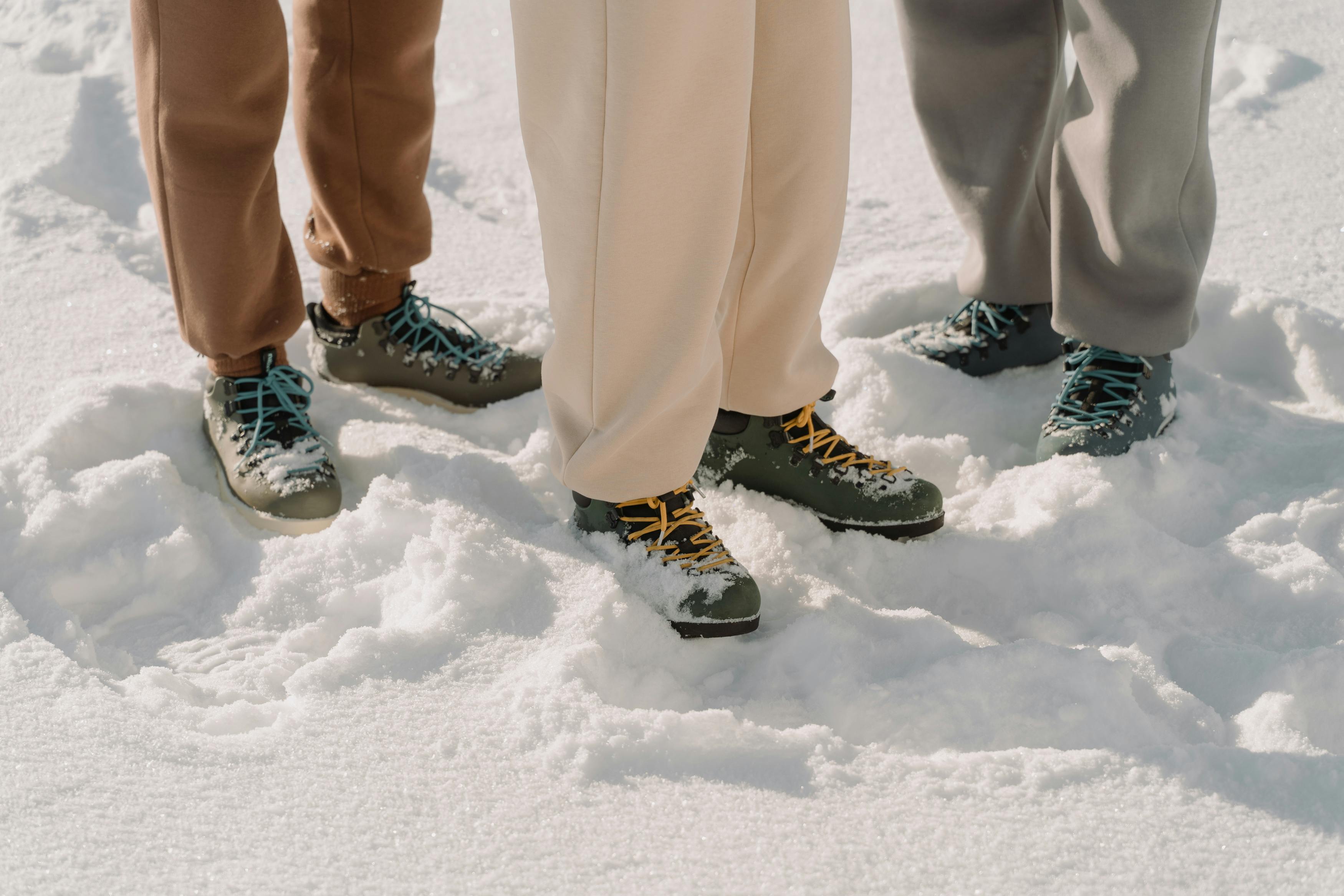
The wrong transition is usually what leads to complaints like “my winter boots are uncomfortable” or “I slipped even with boots.” Here are the most common missteps—and how to avoid them.
Mistake #1: Switching Too Late (After the First Big Slip)
Many people wait for a heavy snowfall, but ice often shows up earlier than major accumulation. If you’re seeing frosty mornings and slick crosswalks, it’s time.
Mistake #2: Buying for Warmth Only (Ignoring Waterproofing)
In Montreal, wet cold is worse than dry cold. Insulation can’t help if water gets in. Prioritize waterproof materials and solid construction—especially if you commute on foot.
Mistake #3: Not Thinking About Traction
A stylish sole isn’t the same as a winter sole. Look for a tread pattern designed to bite into packed snow and handle wet surfaces. If you’ve ever felt your heel slide at an intersection, traction should be at the top of your list.
Mistake #4: Wearing the Wrong Socks
Socks can make boots feel warmer, drier, and more comfortable—or they can cause sweating and blisters. Pairing winter boots with proper winter socks helps regulate temperature and reduces friction for long walks.
Mistake #5: Choosing a Fit That’s Too Tight
If your boot is tight, your feet get colder. You need a bit of space for socks and for warm air to circulate. Aim for a secure heel (no slipping) with enough toe room to wiggle.
What to Look for in the Right Winter Boots (Men & Women)
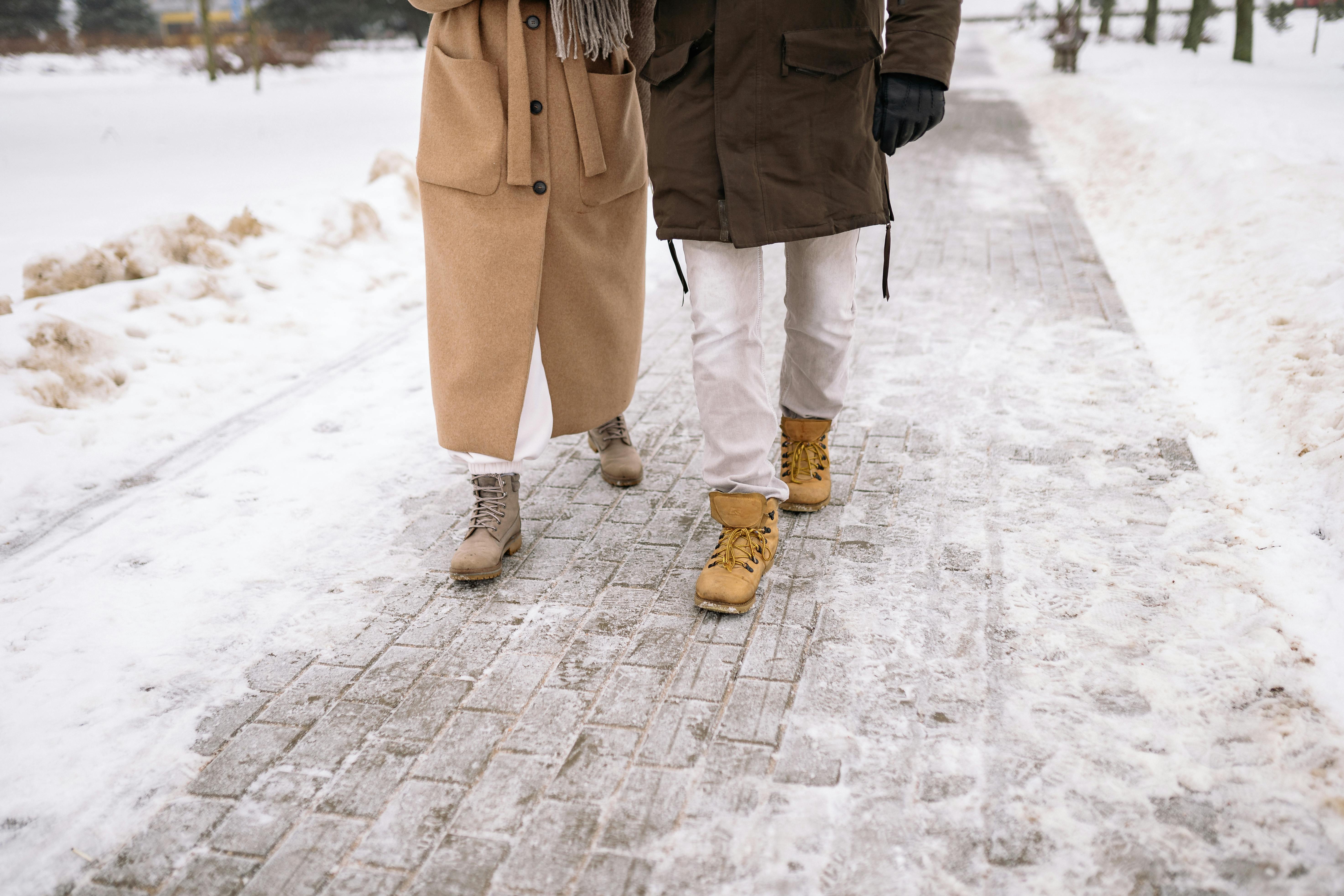
Once you’ve decided when to wear winter boots, the next step is choosing the right pair for your actual routine.
For Men: Practical, Insulated, City-Ready
If you’re commuting, walking downtown, or dealing with slush near transit stops, consider insulated winter boots that balance warmth, waterproofing, and traction—without feeling like heavy snowmobile boots.
For Women: Warmth + Waterproofing + Walkability
Look for boots that handle wet snow and salt while staying comfortable for daily wear. A stable sole and weather-ready upper make all the difference during freeze-thaw weeks. Explore options in women's winter boots to match your commute and your style.
Quick Feature Checklist
- Waterproofing: Especially important for slush and mixed precipitation
- Insulation level: Match it to your time outdoors (short errands vs long commutes)
- Outsole traction: Deep tread and winter-oriented grip
- Height: Higher shafts help with deeper snow and puddles
- Materials: Salt-resistant finishes help boots last longer
FAQ: When to Switch to Winter Boots in Montreal
When should I switch to winter boots in Montreal?
Most people switch when overnight lows stay around 0°C and precipitation starts mixing rain and snow. If you walk or take transit, switching earlier can prevent slips and wet feet.
When to wear winter boots if I mostly drive?
If you drive door-to-door, you can often wait until consistent snow/ice or colder stretches (around 0°C to -10°C). Keep winter boots handy for storms, icy parking lots, and unexpected temperature drops.
Can I wear fall boots all winter?
In Montreal, it’s risky. Fall boots usually lack the waterproofing and traction needed for slush and ice. They can work on dry days, but winter boots are safer for regular commuting.
Final Takeaway + Call to Action
The best answer to when to switch to winter boots in Montreal is: switch when conditions change, not when the calendar says winter. Use the temperature ranges, watch overnight lows, and plan for slush season. Keep your fall pair for mild, dry days—and step into winter boots when refreeze, wet snow, and ice become part of your commute.
Ready to upgrade your cold-weather footwear? Browse weather-ready options for every commute: start with fall and shoulder-season boots for early-season wear, then transition into insulated winter boots or explore women's winter boots. And don’t forget the foundation—pair them with proper winter socks for warmer, drier days all season long.