
Winter Boot Care Guide: How to Protect and Maintain Your Boots Through Canadian Winter
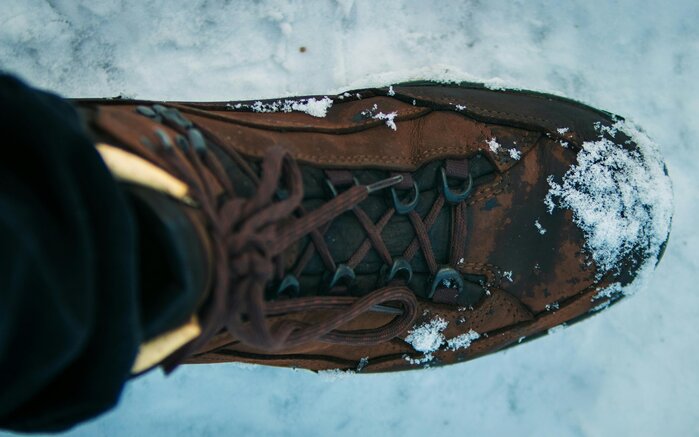
Canadian winters are tough on footwear: slush, road salt, freeze-thaw cycles, and constant moisture can break down leather, crack rubber, stain suede, and ruin insulation. This Winter Boot Care Guide: How to Protect and Maintain Your Boots Through Canadian Winter covers practical winter boot care routines you can do at home—so your boots stay warmer, look better, and last longer. Whether you’re commuting in the city or trudging through packed snow, the right winter boot maintenance plan helps you avoid salt stains, lingering odours, and worn-out seams.
Below you’ll learn how to clean winter boots, how to protect boots from salt, and the essentials of waterproof boot care—with simple checklists you can follow all season.
Why Canadian Winter Is Hard on Boots

Boot damage in winter usually isn’t from snow alone—it’s from a combination of moisture, salt, grit, and temperature swings. Here’s what’s happening to your boots:
- Road salt and de-icers draw moisture out of leather, leaving white stains and causing stiffness and cracking.
- Wet slush penetrates stitching and welts, weakening adhesives and encouraging odour-causing bacteria.
- Freeze-thaw cycles make materials expand and contract, stressing seams and waterproof membranes.
- Indoor heat dries boots too quickly if placed near vents or radiators, which can warp soles and shrink leather.
The good news: consistent, small steps beat occasional “deep cleans.” A five-minute routine after messy days can add seasons to your favourite pair.
Start With the Right Fit and Materials
The best winter boot maintenance starts before you even leave the store. Boots that are too tight trap moisture and reduce warmth; boots that are too loose flex excessively, stressing seams and letting in slush.
- Choose winter-ready construction: sealed seams, gusseted tongues, sturdy outsoles, and quality uppers (treated leather, synthetic, or waterproof membranes).
- Plan for socks: leave enough room for insulating socks without compressing toes.
- Rotate pairs: alternating boots gives each pair time to dry fully, reducing odour and material breakdown.
If you’re shopping for a durable pair designed for harsh conditions, browse quality winter boots or explore warm, weather-ready women's winter boots for options built to handle Canadian streets and sidewalks.
Daily Winter Boot Care Routine (5 Minutes That Matter)
A quick daily routine is the backbone of good winter boot care. Do this whenever you encounter salt, slush, or heavy snow:
- Knock off snow and grit outdoors. Grit acts like sandpaper on leather and rubber.
- Wipe with a damp cloth to remove surface salt and slush before it dries.
- Dry properly (details below). Avoid direct heat.
- Loosen laces and open the boot so moisture can escape from the tongue and ankle area.
These steps prevent most stains and cracking before they start—and make deeper cleaning far easier.
How to Clean Winter Boots (By Material)

If you’re wondering how to clean winter boots without damaging them, the most important rule is to match the method to the material. Always spot-test any cleaner in a hidden area first.
Leather Boots
- Remove laces and brush off dried dirt with a soft brush.
- Wipe with a damp cloth (lukewarm water). For stubborn grime, use a small amount of leather cleaner or mild saddle soap.
- Dry at room temperature and stuff with paper to hold shape (replace paper if it becomes damp).
- Condition once dry to restore oils and prevent cracking—especially important after exposure to salt.
Tip: Over-cleaning can strip leather. If the boots aren’t visibly dirty, a wipe-down and dry is often enough.
Suede or Nubuck Boots
- Let them dry fully first. Cleaning wet suede can spread stains.
- Brush gently with a suede brush to lift the nap and remove dirt.
- Use a suede eraser for scuffs and salt marks (light pressure, repeat as needed).
- Re-spray with a suede protector after cleaning (this is key to ongoing waterproof boot care).
Tip: Suede is especially vulnerable to salt stains—pre-treatment and quick wipe-downs are your best defence.
Rubber and Synthetic Boots
- Rinse or wipe with a damp cloth to remove salt and grit.
- Use mild soap (a drop of dish soap in water) for grime.
- Dry thoroughly and check for cracks at flex points.
Even rubber boots benefit from regular cleaning—salt and chemicals can dull the finish and degrade materials over time.
How to Protect Boots From Salt (Prevent + Remove Salt Stains)
Learning how to protect boots from salt is the single biggest upgrade you can make to your winter routine. Salt doesn’t just stain—it dries and weakens many uppers.
Prevent Salt Damage
- Apply a protectant before the season: use a waterproofing spray for suede/nubuck and a cream/wax protectant for smooth leather (product choice depends on finish).
- Reapply regularly: every few weeks in heavy weather, or after a deep clean.
- Wipe after exposure: a quick damp wipe stops salt from crystallizing.
Remove Salt Stains (Simple At-Home Method)
If white rings appear, act quickly. Try this gentle approach:
- Mix equal parts water and white vinegar.
- Dampen a cloth (don’t soak) and lightly wipe the stain.
- Wipe again with a cloth dampened with plain water.
- Air-dry fully, then condition leather or re-spray suede protector.
Note: For delicate finishes or expensive materials, use a dedicated salt-stain remover or consult a professional cleaner.
Waterproof Boot Care: Keep the Barrier Working

Waterproof boot care isn’t “set it and forget it.” Waterproofing wears off from flexing, abrasion, and cleaning. Maintain it so moisture stays out and insulation stays effective.
Choose the Right Waterproofing Product
- Suede/nubuck: silicone- or fluoropolymer-based spray designed for textured leathers.
- Smooth leather: waterproofing creams, waxes, or sprays (wax can darken leather and change sheen).
- Membrane-lined boots: focus on keeping the outer material clean and treated; clogged uppers can reduce breathability.
Best Practice for Application
- Clean and dry boots first.
- Apply thin, even coats in a ventilated area.
- Let cure fully (often overnight) before wearing in wet conditions.
Reminder: Waterproofing helps repel water, but it doesn’t replace good drying habits after wet days.
Drying Boots Correctly (Avoid Cracks, Odours, and Warping)
Improper drying is a top reason boots fail early. Use this approach after any wet outing:
- Never place boots on direct heat (radiators, vents, fireplaces). This can crack leather, weaken glue, and deform soles.
- Remove insoles (if possible) so both boot and insole dry faster.
- Stuff with paper to absorb moisture and support shape. Replace paper once it’s damp.
- Air-dry in a warm room with good airflow. A boot dryer on low/no-heat setting can help.
Fully drying between wears is a cornerstone of winter boot maintenance—it reduces bacteria, extends material life, and keeps boots more comfortable.
Don’t Forget the Inside: Insoles, Odour Control, and Socks
Warmth and comfort come from the whole system: boot + insole + sock. Moisture trapped inside leads to odours and faster lining wear.
- Rotate or replace insoles if they stay damp or start to smell.
- Use a gentle deodorizer (boot balls or baking-soda-based products) after drying.
- Wear moisture-managing socks that help move sweat away from skin—this keeps feet warmer and reduces interior dampness.
For comfort on long winter days, pair your boots with proper winter socks—they’re a small upgrade that makes a big difference in dryness and warmth.
Seasonal Winter Boot Maintenance Checklist
Use this schedule to keep your routine simple and consistent:
Early Season (Before First Snow)
- Clean boots and apply waterproofing/protectant.
- Condition leather to prevent drying and cracking.
- Check soles and seams for wear; repair early if needed.
Mid-Season (Every 2–4 Weeks)
- Deep clean as needed (especially after repeated salt exposure).
- Reapply waterproofing/protectant.
- Inspect for loose stitching, separating soles, or worn tread.
End of Season (Spring Storage)
- Clean thoroughly, remove salt residue, and let dry completely.
- Condition leather and refresh suede with a brush/protector.
- Store in a cool, dry place with shoe trees or paper to hold shape.
Common Winter Boot Care Mistakes to Avoid
- Ignoring salt until stains set: wipe early and often.
- Over-soaking boots during cleaning: too much water can weaken adhesives and cause water marks.
- Using harsh detergents: they strip oils and damage finishes.
- Drying too fast on heat: this leads to cracking, shrinking, and warped soles.
- Skipping conditioning: leather needs replenishment after exposure to salt and cold.
Final Thoughts: Make Your Boots Last All Winter (and Beyond)
Great winter boot care is all about consistency: wipe off salt, dry properly, refresh waterproofing, and clean based on the material. Follow the steps above and you’ll spend less time dealing with stains and odours—and more time enjoying warm, reliable footing through every storm.
Call to action: Ready to upgrade your winter setup? Shop durable quality winter boots and cold-weather favourites from our women's winter boots collection—and complete the comfort system with proper winter socks for warmer, drier days all season.