
The Ultimate Guide to Choosing Winter Boots for Canadian Weather
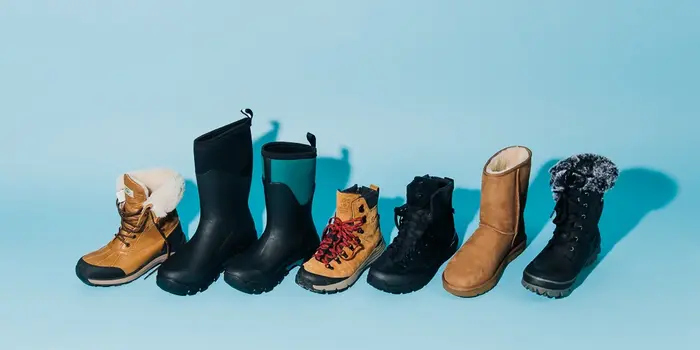
Canadian winters are legendary—and not in a good way. From the bone-chilling cold of Prairie provinces to the endless snow of Quebec, from the ice-covered streets of Ontario to the wet coastal winters of British Columbia, this country presents some of the most challenging winter conditions on the planet. Your choice of winter boots can mean the difference between confidently conquering the season and dreading every trip outside. This comprehensive guide will help you navigate the complex world of winter footwear to find boots that keep your feet warm, dry, and comfortable throughout Canada's longest season.
At Schreter's Clothing Store, we've been helping Montreal residents and Canadian customers survive winters since 1928. Nearly a century of experience has taught us exactly what works when temperatures plummet and snow accumulates. Whether you're facing your first Canadian winter or you're a lifelong resident seeking an upgrade, this guide covers everything you need to know to choose the perfect winter boots.
Understanding Canadian Winter Conditions by Region
Canada isn't monolithic when it comes to winter weather. Choosing appropriate boots requires understanding your specific regional challenges:
Prairie Winters: The Deep Freeze
Manitoba, Saskatchewan, and Alberta experience Canada's coldest temperatures, regularly dropping to -30°C (-22°F) or colder. Wind chill can push effective temperatures even lower, creating dangerous conditions for exposed skin and inadequately protected feet. These regions demand boots with maximum insulation ratings, typically 400-1000 grams of Thinsulate or equivalent insulation. Temperature ratings should reach at least -40°C (-40°F) for confidence during the coldest snaps.
Eastern Winters: Snow, Ice, and Fluctuation
Quebec and Ontario face heavy snowfall, frequent ice, and temperature fluctuations that create treacherous conditions. One day might bring -20°C (-4°F) cold, while the next thaws to near freezing, creating slush, ice patches, and unpredictable footing. Boots for eastern winters need excellent traction for ice, waterproof construction for slush, and moderate to high insulation that prevents overheating during temperature swings. Versatility matters more here than extreme cold ratings.
Atlantic Winters: Wet and Mild
The Maritime provinces experience milder but wetter winters, with frequent freeze-thaw cycles, rain, sleet, and slushy conditions. Waterproofing becomes the primary concern rather than extreme insulation. Boots with lower insulation ratings (200-400 grams) paired with exceptional waterproof construction and aggressive tread patterns work best for these conditions.
West Coast Winters: Rain-Focused
British Columbia's coastal regions rarely see extreme cold but face constant rain and occasional snow. Waterproof construction, water-shedding materials, and grippy outsoles optimized for wet surfaces take priority over insulation. Many coastal residents find rain boots or lightly insulated waterproof boots more practical than heavily insulated winter boots.
Northern Winters: Extreme Everything
Yukon, Northwest Territories, and Nunavut present the ultimate winter challenge with extended periods of extreme cold, deep snow, and harsh conditions. Only the most robust winter boots with maximum insulation, complete waterproofing, and proven extreme-cold performance suffice in these regions.
Critical Features Every Canadian Winter Boot Needs
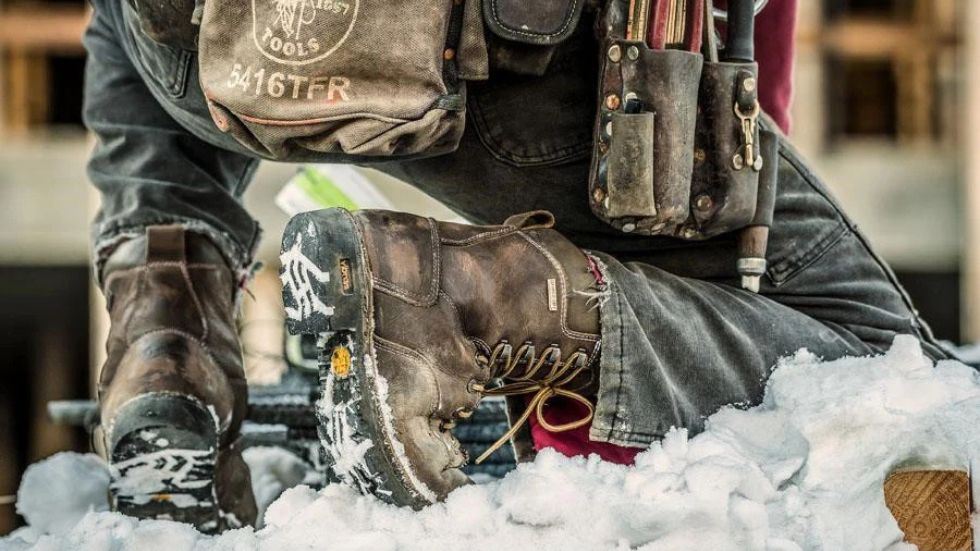
Regardless of your specific region, certain features prove essential for Canadian winter conditions:
Temperature Rating and Insulation
Temperature ratings indicate the coldest conditions where boots maintain comfortable warmth. These ratings aren't arbitrary—they're tested specifications that should guide your selection:
-10°C to -20°C (14°F to -4°F): Light insulation (200-400g Thinsulate) suitable for mild winters, urban environments, or active use where body heat contributes to warmth.
-20°C to -30°C (-4°F to -22°F): Moderate insulation (400-600g) appropriate for typical Canadian winters in major cities and southern regions.
-30°C to -40°C (-22°F to -40°F): Heavy insulation (600-800g) necessary for Prairie winters, northern Ontario and Quebec, and extended outdoor exposure.
Below -40°C (below -40°F): Extreme insulation (800-1000g+) required only for far northern regions, winter camping, or occupations requiring prolonged static outdoor exposure.
Insulation materials include traditional Thinsulate, natural felt, synthetic fleece, or proprietary insulation systems. Each offers different warmth-to-weight ratios, but proper thickness and quality matter more than specific material types.
Waterproof Construction
Canadian winters assault boots with snow, slush, salt spray, and freeze-thaw cycles. Truly waterproof construction is non-negotiable. Look for these waterproofing features:
Sealed Seams: Taped or welded seams prevent moisture infiltration at stitch points—the most common failure point in water resistance.
Waterproof Membranes: Gore-Tex, proprietary branded membranes, or rubber barriers that keep water out while allowing moisture vapor to escape.
Waterproof Materials: Full-grain leather treated with waterproofing compounds, coated synthetic materials, or vulcanized rubber shells.
Height Above Ground: Boots should rise at least 6-8 inches from the ground to prevent snow from entering over the top during normal walking. For deep snow conditions, consider 10-12 inch heights.
A common mistake is assuming "water-resistant" equals "waterproof." Water resistance means boots repel light moisture temporarily. Waterproof means complete moisture barrier protection—essential for Canadian conditions.
Traction and Outsole Design
Ice and packed snow create hazardous walking surfaces throughout Canadian winters. Your boots' outsoles directly impact your safety and confidence:
Deep Lug Patterns: Aggressive tread with deep channels (5mm+) that bite into snow and slush, providing grip on varied surfaces.
Multidirectional Treads: Pattern geometry that grips during forward motion, lateral movement, and braking.
Rubber Compounds: Winter-specific rubber formulations remain flexible in cold temperatures while providing superior grip. Standard rubber hardens in cold, losing effectiveness.
Ice-Specific Features: Some boots incorporate carbide studs, specialized ice-gripping compounds, or geometric patterns specifically engineered for ice traction.
Test traction by examining the outsole. If the pattern looks shallow, uniform, or similar to summer footwear, it won't provide adequate winter grip.
Proper Fit and Sizing
Winter boots fit differently than regular footwear. Several factors affect proper sizing:
Thick Sock Accommodation: Winter boots should fit comfortably with thick wool or synthetic winter socks. If boots fit perfectly with thin socks, they're too small for proper winter use.
Toe Room: Your toes need space to move and maintain circulation. Cramped toes restrict blood flow, actually making feet colder despite insulation. Plan for 1/2 to 1 full size larger than your regular shoe size.
Volume and Width: Feet swell during extended wear. Boots should feel comfortable but not loose when first trying them on—they won't stretch significantly like leather shoes.
Heel Hold: Despite roomy toe boxes, heels should lock securely without slipping. Excessive heel movement causes blisters and reduces walking efficiency.
Try boots on with your intended winter socks, stand and walk around for several minutes, and ensure comfort before committing.
Boot Styles for Different Canadian Lifestyles
Winter boots aren't one-size-fits-all. Different lifestyles and activities require different boot characteristics:
Urban Commuter Boots
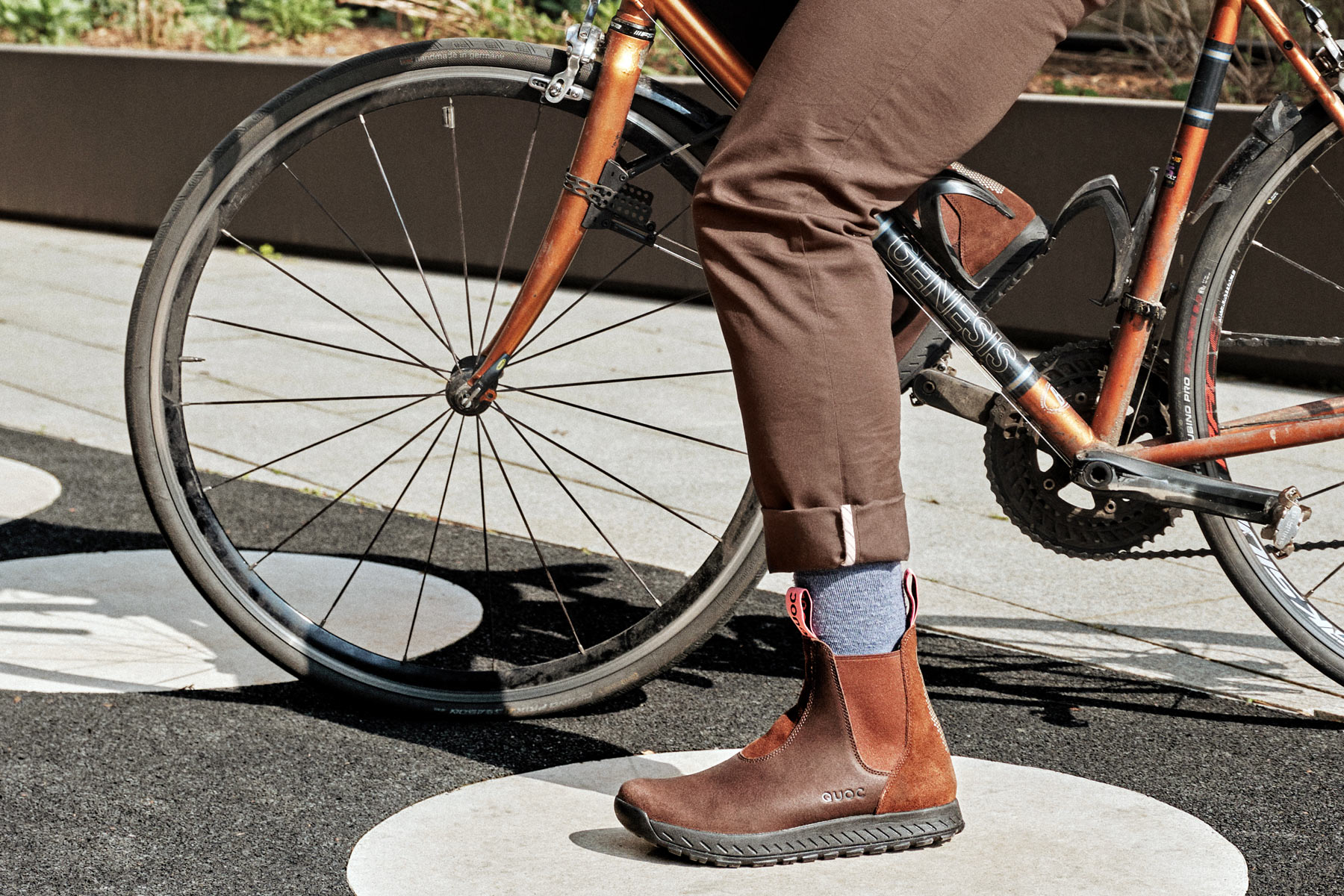
City dwellers walking from transit stations to offices need boots that balance winter protection with professional aesthetics:
Moderate Insulation: 200-400g insulation prevents overheating in heated transit and buildings while providing adequate outdoor warmth.
Low-Profile Design: Sleeker styles that don't look out of place in office environments or casual professional settings.
Easy On/Off: Quick removal in lobbies and entrances matters when transitioning between outside and inside multiple times daily.
Salt Resistance: Urban environments mean constant salt exposure. Leather or synthetic uppers that resist salt damage and clean easily prove most practical.
Brands like Blundstone offer Chelsea-style winter boots, while Sorel's Joan of Arctic and similar styles blend fashion with function for urban commuters.
Outdoor Activity Boots
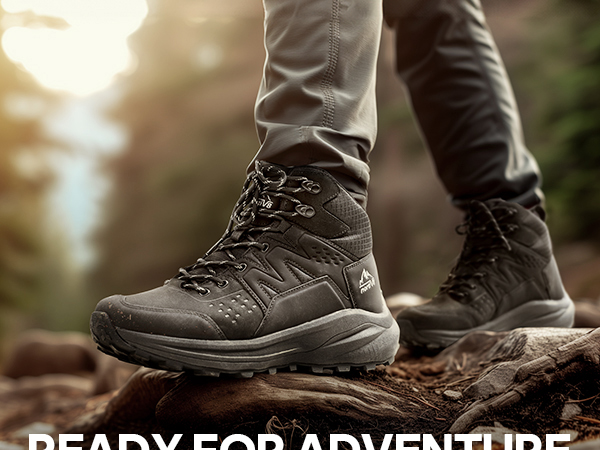
Snowshoeing, winter hiking, skiing, ice fishing, and other winter activities demand specialized performance:
High Insulation: 600-1000g insulation for static activities like ice fishing where you're not generating much body heat.
Tall Height: 10-12 inch heights prevent snow entry during deep snow navigation.
Aggressive Traction: Maximum grip for uneven terrain, steep slopes, and varied snow conditions.
Durability: Reinforced construction withstands the abuse of outdoor adventures—scrambling over rocks, kicking into hard snow, repeated freeze-thaw cycles.
Sorel, The North Face, and Merrell specialize in outdoor-focused winter boots with the technical features serious winter adventurers require.
Everyday Casual Boots

For running errands, dog walking, shoveling driveways, and general daily winter activities:
Moderate Features: Balance between protection and practicality—enough warmth and waterproofing for typical conditions without excessive bulk.
Versatile Style: Aesthetics that work with jeans, casual pants, and everyday winter wear.
Comfort Priority: All-day wearability for the varied activities that fill typical winter days.
Easy Maintenance: Materials that clean easily and don't require extensive care routines.
Timberland, Kamik, and UGG offer excellent options for everyday winter wear that doesn't compromise on performance.
Extreme Cold Specialists
For northern residents, winter workers, or anyone regularly facing extreme conditions:
Maximum Insulation: 800-1000g+ insulation with felt liners for the coldest possible environments.
Proven Cold Rating: Temperature ratings to -50°C (-58°F) or colder from brands with demonstrated extreme-cold expertise.
Removable Liners: Ability to dry liners separately after use, crucial for maintaining warmth over multiple days.
Robust Construction: Heavy-duty materials and construction that withstand the harshest conditions.
Sorel, Baffin, and Kamik produce specialized extreme-cold boots proven in Canada's most challenging environments.
Premium Features Worth Considering
Beyond essential features, certain premium additions enhance winter boot performance:
Removable Liners
Boots with removable felt or fleece liners offer several advantages. You can dry liners separately after wet conditions, replace worn liners to extend boot life, or swap in lighter/heavier liners for temperature variations. This feature particularly benefits people facing multiple consecutive days of winter activities.
Faux Fur Collars and Trim
Beyond aesthetics, fur collars trap warm air at the boot opening, preventing heat loss and snow entry. Natural or synthetic fur also provides cushioning that prevents chafing on calves during extended wear.
Quick-Lace Systems
Traditional lacing works fine, but quick-lace systems with speed hooks or pull-cord designs simplify the multiple-times-daily routine of taking boots on and off. This convenience matters more than you'd expect after a long winter.
Reflective Elements
During Canadian winters, many commutes happen in darkness. Reflective strips, piping, or panels improve visibility to drivers during early morning or evening walks.
Gaiter Attachments
For deep snow activities, some boots include attachment points for gaiters—sleeve-like covers that extend from boot tops up the leg, providing complete snow protection.
Trusted Brands Available at Schreter
Our extensive experience has identified brands that consistently deliver Canadian-winter performance:
Sorel
The Canadian brand purpose-built for winter. Sorel's temperature-rated boots with removable felt liners and waterproof construction have kept feet warm through countless harsh winters. Their range spans fashionable urban styles to extreme-cold specialists.
Timberland
American heritage meets reliable winter performance. Timberland boots offer excellent waterproofing, moderate insulation suitable for typical Canadian winters, and durability that ensures years of service.
The North Face
Technical outdoor expertise translated into winter footwear. The North Face combines aggressive traction, reliable insulation, and weatherproof construction for active winter pursuits.
Blundstone
While known for Chelsea-style versatility, Blundstone's thermal models provide winter-capable versions of their iconic slip-on design, perfect for urban winters.
Merrell
Outdoor footwear specialists bringing hiking boot technology to winter conditions. Merrell boots excel in mixed conditions requiring both winter protection and trail-ready performance.
UGG
Beyond fashion, UGG's winter-ready styles incorporate waterproofing and insulation while maintaining the brand's signature comfort and style.
Kamik and BOGS
Canadian brands (Kamik) and winter specialists (BOGS) offering excellent value in reliable, functional winter boots without premium pricing.
Making Your Winter Boot Investment Last
Quality winter boots represent a significant investment. Proper care maximizes their lifespan:
Regular Cleaning
Remove salt, dirt, and debris after each wear. Salt particularly damages leather and corrodes hardware. A quick wipe-down with a damp cloth prevents long-term damage.
Proper Drying
Never place boots directly on radiators or heating vents. Excessive heat dries leather, melts adhesives, and degrades materials. Dry boots at room temperature, using newspaper stuffing to absorb internal moisture. Remove liners and dry separately.
Waterproofing Maintenance
Reapply waterproofing treatments annually or when water stops beading on surfaces. Use products appropriate for your boot materials—leather, synthetic, or rubber require different treatments.
Storage
Store winter boots in cool, dry locations during off-season. Use boot trees or stuff with newspaper to maintain shape. Avoid plastic bags that trap moisture—use breathable fabric bags or store openly.
Inspection and Repair
Check regularly for worn outsoles, damaged waterproof membranes, or loose hardware. Early repairs prevent minor issues from becoming major problems. Many boot brands offer repair services for premium models.
When to Replace Winter Boots
Even well-maintained boots eventually require replacement. Watch for these signs:
Outsole Wear: When tread depth decreases significantly (less than 3mm remaining), traction compromises safety.
Waterproof Failure: If boots no longer keep feet dry despite waterproofing treatments, the membrane or sealing has failed.
Insulation Compression: If boots no longer keep feet warm at their rated temperature, insulation has compressed and lost effectiveness.
Structural Damage: Cracked rubber, separated soles, or torn uppers that can't be repaired indicate replacement time.
Quality winter boots typically last 3-7 seasons depending on frequency of use and maintenance quality. Heavy daily use shortens lifespan, while occasional use extends it.
Shop Winter Boots at Schreter
Since 1928, Schreter has helped Canadian customers find winter boots that perform when it matters most. Our Montreal location experiences genuine winter conditions, giving our team firsthand understanding of what works and what doesn't when temperatures plunge and snow accumulates.
Visit our store to try on boots from leading brands like Sorel, Timberland, The North Face, Blundstone, and more. Our knowledgeable staff can assess your specific needs—your regional climate, typical activities, style preferences, and budget—to recommend boots that will serve you well throughout multiple winters.
Can't visit in person? Browse our complete women's winter boots collection online with detailed product descriptions, sizing information, and customer reviews. We offer free shipping in Canada on orders over $125, making it convenient and affordable to get quality winter boots delivered directly to your door.
Conclusion: Your Feet Deserve the Best
Canadian winters last months, not weeks. During that extended season, your winter boots become essential equipment rather than mere accessories. Choosing boots with appropriate insulation, genuine waterproofing, reliable traction, and proper fit transforms winter from something to endure into something you can actually enjoy.
Whether you're commuting in Toronto, snowshoeing in the Rockies, dog walking in Montreal, or working outdoors in Winnipeg, the right winter boots make every winter activity safer, more comfortable, and more enjoyable. Don't compromise on footwear that protects and supports you during Canada's longest season.
Explore our extensive collection at Schreter's and discover winter boots that combine proven cold-weather performance with the style and comfort you deserve. After nearly a century of serving Canadian customers, we understand exactly what it takes to keep your feet happy all winter long.
Your perfect winter boots are waiting—let our family help you find them.