
The Best Non-Slip Winter Boots for Icy Montreal Sidewalks

Key takeaways
- Grip on ice comes from three things: the rubber compound, the tread pattern, and whether the boot has any kind of ice-specific traction built in.
- Deep lugs handle snow well but do very little on smooth ice. Those are different problems needing different solutions.
- Rubber that stays flexible in extreme cold grips better than rubber that hardens, which is why some boots feel fine at minus 5 and slide at minus 20.
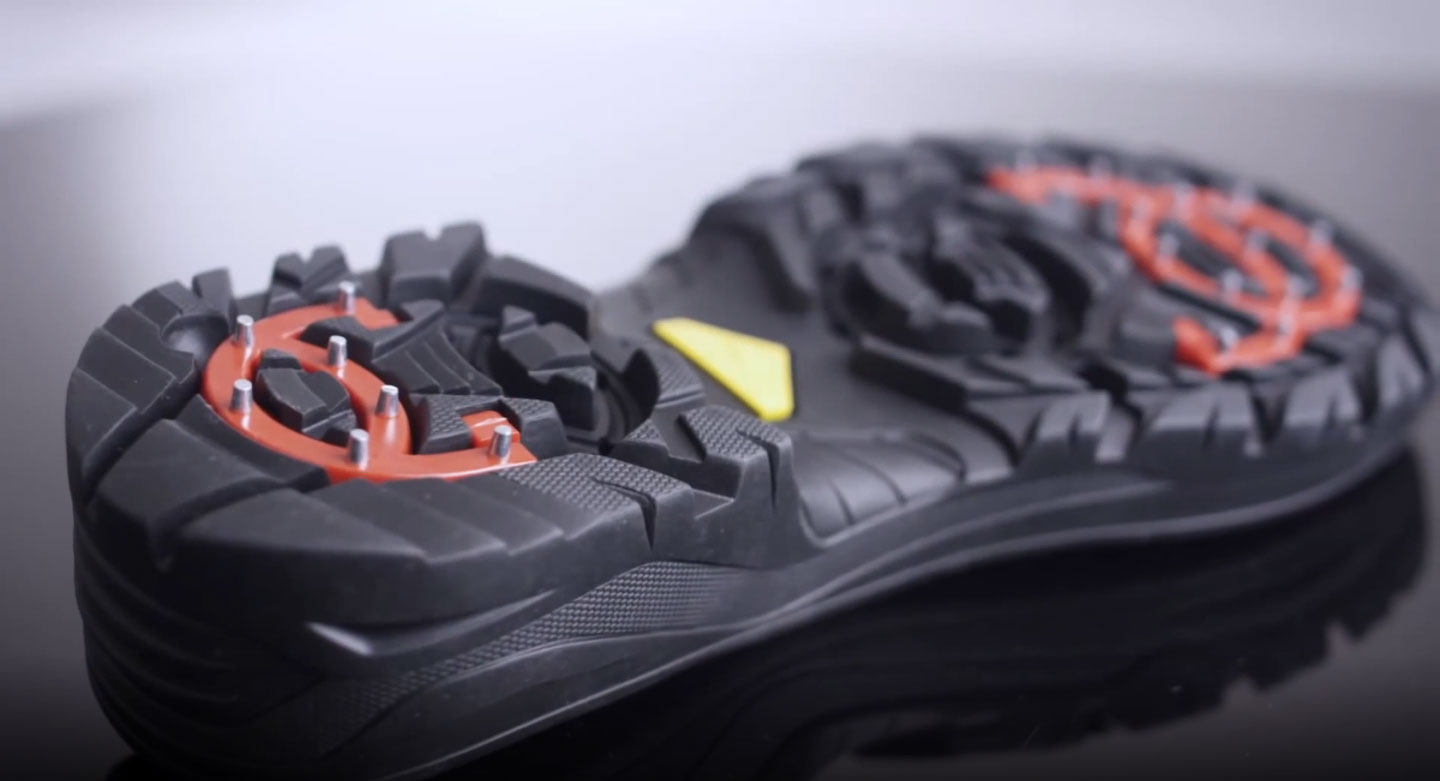
- Built-in retractable cleats are the most effective option for genuine ice, and brands like Navatex and Nexgrip build them into the sole so they retract indoors.
- Montreal's freeze and thaw cycle creates smooth refrozen ice, which is harder to walk on than fresh snow and needs more than a deep tread.
Montreal sidewalks in January are not a snow problem, they are an ice problem. Snow gets cleared, then it melts in the afternoon sun, then it refreezes overnight into a smooth sheet. That refrozen surface is what sends people down, and a boot with an aggressive snow tread will not necessarily help. Here is what actually creates grip on ice, and what to look for across our men's winter boots.
Why Montreal Ice Is a Different Problem
A lot of winter boots are designed for snow: deep lugs, aggressive tread, high shafts to keep powder out. That works in fresh snowfall. It does much less on the surface Montreal actually produces for most of the winter, which is packed, refrozen, and smooth.
The freeze and thaw cycle is the culprit. Daytime sun and road salt melt the top layer, then overnight cold refreezes it into something closer to a rink than a snowfield. Add the slope on a lot of Plateau and Mile End sidewalks and you have a surface where tread depth matters less than what the sole is actually made of.

What Actually Creates Grip on Ice
Three things, and most boots only address one or two:
- Rubber compound: softer rubber stays flexible in deep cold and conforms to the surface. Cheaper compounds harden as temperatures drop, which is why a boot can feel secure in November and treacherous in January.
- Tread pattern: lots of small edges and sipes grip ice better than a few deep lugs. Deep lugs are built to bite into snow, which is a different job entirely.
- Ice-specific traction: studs, carbide inserts, or retractable cleats. This is the only category of the three that reliably handles genuinely smooth ice.
Deep Lugs Are Not the Same as Ice Grip
This is the most common mistake people make buying winter boots. A chunky, aggressive-looking sole reads as capable, and in snow it is. On ice, a deep lug pattern has fewer contact points touching the surface, and each one is a rigid block rather than a flexible edge. The boot that looks the most rugged in the store can be the one that slides on a packed sidewalk.
If your winter is mostly cleared sidewalks and packed paths rather than unploughed snow, prioritise the rubber and the fine tread detail over how deep the lugs look.
Boots With Built-In Ice Cleats
The most effective answer to real ice is a boot with traction built into it, and two brands on our shelves are built around exactly that. Navatex uses the OC Grip system, an Italian-patented setup with retractable cleats you can flip between two positions. Grip-on puts the studs down for icy surfaces, grip-off retracts them so you are not clacking across a tiled floor or scratching hardwood when you get indoors.
Nexgrip takes the same problem seriously enough to name its models after it, with boots like the Ice Walker and the Ice Boulder. The brand builds retractable ice cleats into the sole, so the traction deploys on a frozen sidewalk and tucks away before you walk into a shop.
That retractable design solves the practical problem with add-on ice grips, which is that they work well outside and become a hazard the moment you step inside. A built-in system you can toggle with your foot means you actually use it, rather than leaving it at home.
What Else to Look For
- A waterproof upper, since Montreal slush is wet, not just cold.
- Insulation matched to how long you are actually outside, not to the coldest number on the box.
- A sole that stays flexible in the cold, which you can test by flexing the boot in the store.
- A height that suits your routine, since ankle boots are easier for commuting and taller shafts suit unploughed streets.
Other brands worth trying on for Montreal conditions include Sorel, Columbia, Bogs, Baffin and Merrell. Each handles the warmth and waterproofing side well, and they differ mostly in how they approach traction and how they fit. Our closer look at whether the Navatex retractable cleats actually work covers the ice-specific option in more detail.

Matching the Boot to Your Actual Winter
The right boot depends far less on the coldest temperature Montreal reaches than on how you spend your time in it. Somebody who walks fifteen minutes to the metro twice a day needs something different from somebody who drives to a heated garage and walks across a parking lot.
If you are on foot daily through the whole season, prioritise traction and waterproofing over maximum insulation, because you generate heat walking and wet feet make you colder than thin insulation does. If you are outside in short bursts but standing still during them, waiting for a bus, watching a game, clearing a driveway, insulation matters more because you are not producing heat. And if your winter is mostly indoors with short walks between heated spaces, a lighter boot with decent rubber will serve you better than something heavy you resent wearing.
Be honest about the second category too. Most people underestimate how much standing still their winter involves, and it is the situation where boots most often disappoint.
Frequently Asked Questions
What makes a winter boot non-slip on ice?
Three things together: a rubber compound that stays flexible in deep cold, a tread with many fine edges rather than a few deep lugs, and ideally some form of ice-specific traction like studs or retractable cleats.
Are deep-lug soles good for ice?
Not particularly. Deep lugs are built to bite into snow. On smooth ice they offer fewer contact points and less flexible edging, which is why a rugged-looking boot can still slide on a packed sidewalk.
Do boots with built-in ice cleats work indoors?
Retractable systems do. Navatex uses a two-position setup, so you drop the cleats for ice and retract them before going inside rather than walking on metal studs across a floor.
What height of winter boot is best for Montreal?
It depends on your routine. Ankle or mid-height boots are easier for transit and commuting on cleared sidewalks. Taller shafts make more sense if you deal with unploughed streets or deep snow regularly.
Try Them On Before the Ice Arrives
Traction is difficult to judge from a product photo, and the difference between a boot that grips and one that slides shows up on the first genuinely icy morning. Come see us in store, we'll help you find the right fit across our men's winter boots and the wider men's boots range.