

North Face McMurdo vs Columbia: Which Parka Is Warmer?
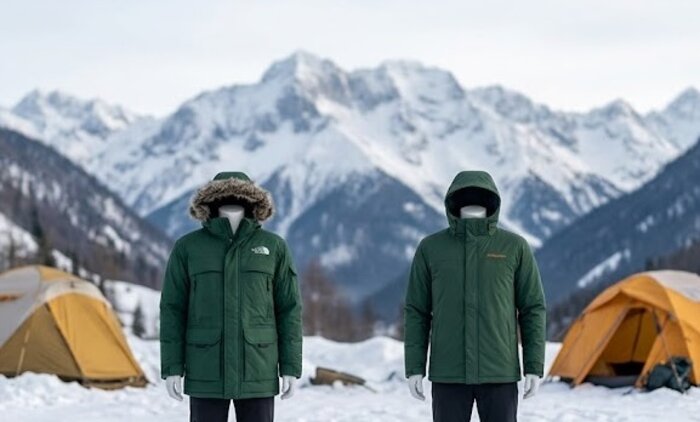
Key Takeaways
- North Face's cold-weather parkas rely on down insulation and waterproof shell technology built for sustained exposure to wet, freezing conditions.
- Columbia's parka line uses Omni-Heat thermal reflective lining paired with Omni-Tech waterproofing, a different approach to the same warmth problem.
- Down insulation is generally warmer for its weight, but performs worse than Columbia's synthetic-friendly approach once it gets wet.
- Neither brand is objectively warmer in every condition. The right choice depends on whether your winter is mostly dry cold or wet snow and slush.
- Both brands are available at Schreter's, so you can compare fit and weight in person before deciding.
Comparing North Face and Columbia's parkas, both part of Schreter's outerwear lineup, the honest answer to which one is warmer depends on the kind of cold you're actually up against. North Face's down-insulated parkas edge out Columbia in dry, extreme cold, while Columbia's Omni-Heat and Omni-Tech combination holds up better in wet, changeable conditions. Here's the breakdown.

The Short Answer: Which Parka Wins for Real Cold
For sustained dry cold, meaning temperatures well below freezing without much precipitation, North Face's down-filled parkas trap more heat for their weight and tend to win on raw warmth. For a Montreal winter that swings between dry cold snaps and wet, slushy days, Columbia's synthetic-friendly Omni-Heat lining holds its insulating value even when damp, which down does not. Neither is wrong. It comes down to which kind of winter you're actually dressing for.
North Face: Built Around Down and Waterproof Shells
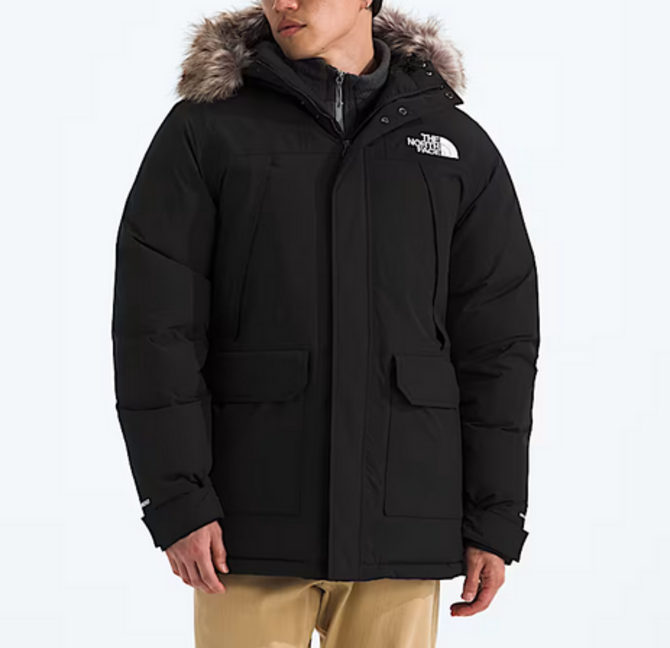
North Face's heavier winter parkas use down insulation, the same approach used across most of their cold-weather line, combined with a waterproof, breathable shell. Down works by trapping air in small pockets, and it's genuinely excellent at holding heat for its weight. The tradeoff is that down clumps and loses its loft when it gets wet, and once that happens, its insulating power drops fast. If your winter routine keeps you mostly dry, walking between heated spaces with short outdoor stretches, this is close to ideal. If you're regularly out in wet snow for long stretches, it's worth pairing with careful shell maintenance.
Columbia: Omni-Heat and Omni-Tech Explained
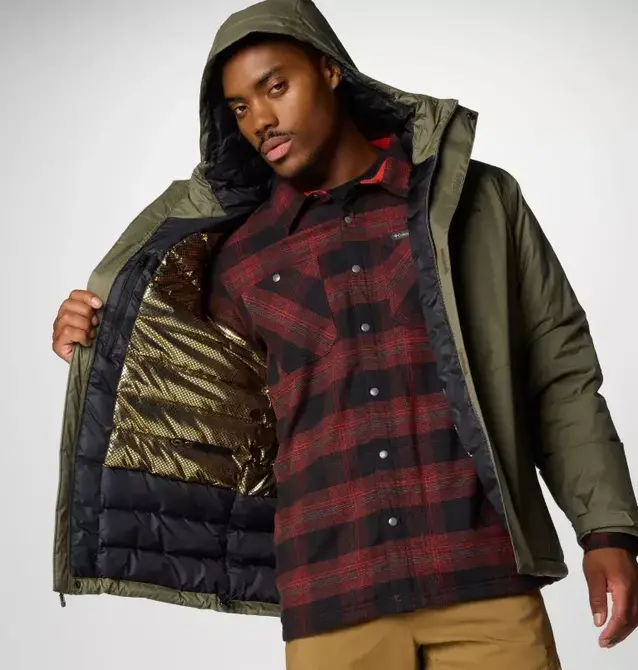
Columbia takes a different approach with its parka line. Omni-Heat is a thermal reflective lining, small metallic dots printed on the interior fabric that reflect body heat back toward you instead of letting it escape through the fabric. Omni-Tech is Columbia's waterproofing and breathability system, built to keep moisture out while letting sweat vapor escape. Together, this combination doesn't rely on trapping air the way down does, so it holds its performance even when the outer shell gets wet from snow or slush, which matters on a slushy Montreal sidewalk in March as much as a dry cold snap in January.
Warmth, Weight, and Everyday Wearability Compared
Here's how the two approaches stack up across the factors that actually matter day to day:
- Raw warmth in dry cold: North Face's down insulation generally wins, trapping more heat for less bulk.
- Performance when wet: Columbia's Omni-Heat and Omni-Tech combination holds up better, since it doesn't depend on dry insulation to work.
- Weight and packability: Down parkas from North Face tend to be lighter for the same warmth level, which matters if you're layering underneath.
- Everyday care: Down needs more careful drying if it gets wet. Columbia's synthetic-friendly build is more forgiving of a soaked commute home.
Which One Fits Your Winter
If your winter is mostly dry, cold, and you move quickly between indoor spaces, North Face's down parka gives you more warmth for less weight. If you're regularly outside in wet snow, standing at transit stops, or working outdoors through slushy stretches, Columbia's Omni-Heat and Omni-Tech combination is the more forgiving choice. For a Montreal winter that genuinely includes both kinds of days, the honest answer is that either brand works well, and the deciding factor often comes down to fit and how the coat feels on your shoulders more than the spec sheet.
If you're deciding between these two brands for a serious cold snap rather than a parka specifically, our guide to the warmest men's jackets breaks down insulation types and fill power in more detail.

Frequently Asked Questions
Is North Face or Columbia warmer overall?
North Face's down-insulated parkas are generally warmer for their weight in dry cold. Columbia's Omni-Heat and Omni-Tech combination performs more consistently once conditions turn wet.
What is Omni-Heat lining?
It's Columbia's thermal reflective lining, small metallic dots on the interior fabric that reflect body heat back toward you rather than letting it pass through the fabric.
Does down insulation still work when it's wet?
Down loses most of its insulating power when wet, since the clumped fibers can no longer trap air effectively. This is the main tradeoff against Columbia's synthetic-friendly approach.
Can I try both brands in person before deciding?
Yes. Both North Face and Columbia parkas are available at Schreter's, so you can compare fit, weight, and warmth side by side before making a decision.
See Both Parkas in Person
Specs only tell you so much. Fit, weight, and how a parka moves with you matter just as much as the insulation type. Come see us in store, we'll help you find the right fit between North Face and Columbia, or browse the full men's parkas collection online.