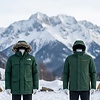

Spring and Fall Jackets for Montreal: Too Warm for a Parka, Too Wet for a Hoodie
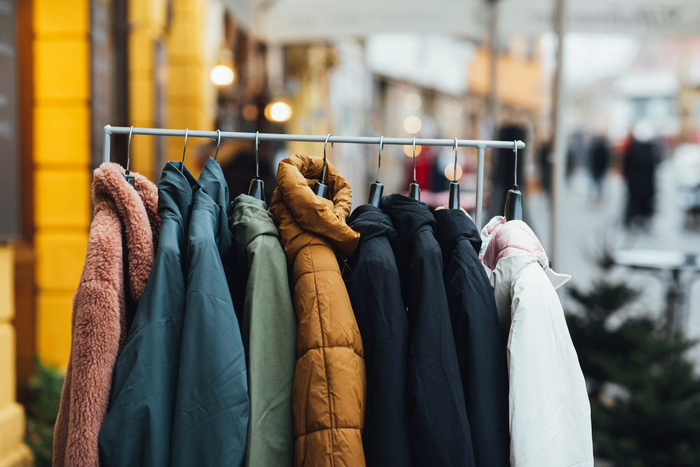
Key Takeaways
- A winter parka is overkill above roughly 5 to 10 degrees, and a hoodie or sweater alone doesn't handle Montreal's spring and fall rain.
- The real difference between a rain jacket and a spring jacket is waterproofing level and insulation, not just the name on the tag.
- A shoulder-season jacket should block wind and rain without trapping heat the way a winter coat does.
- Layering, not the jacket alone, is what makes a shoulder-season wardrobe work through Montreal's swing between cold mornings and mild afternoons.
- Once nighttime temperatures drop consistently below freezing, it's time to switch back to a winter coat, not push a spring jacket past its range.
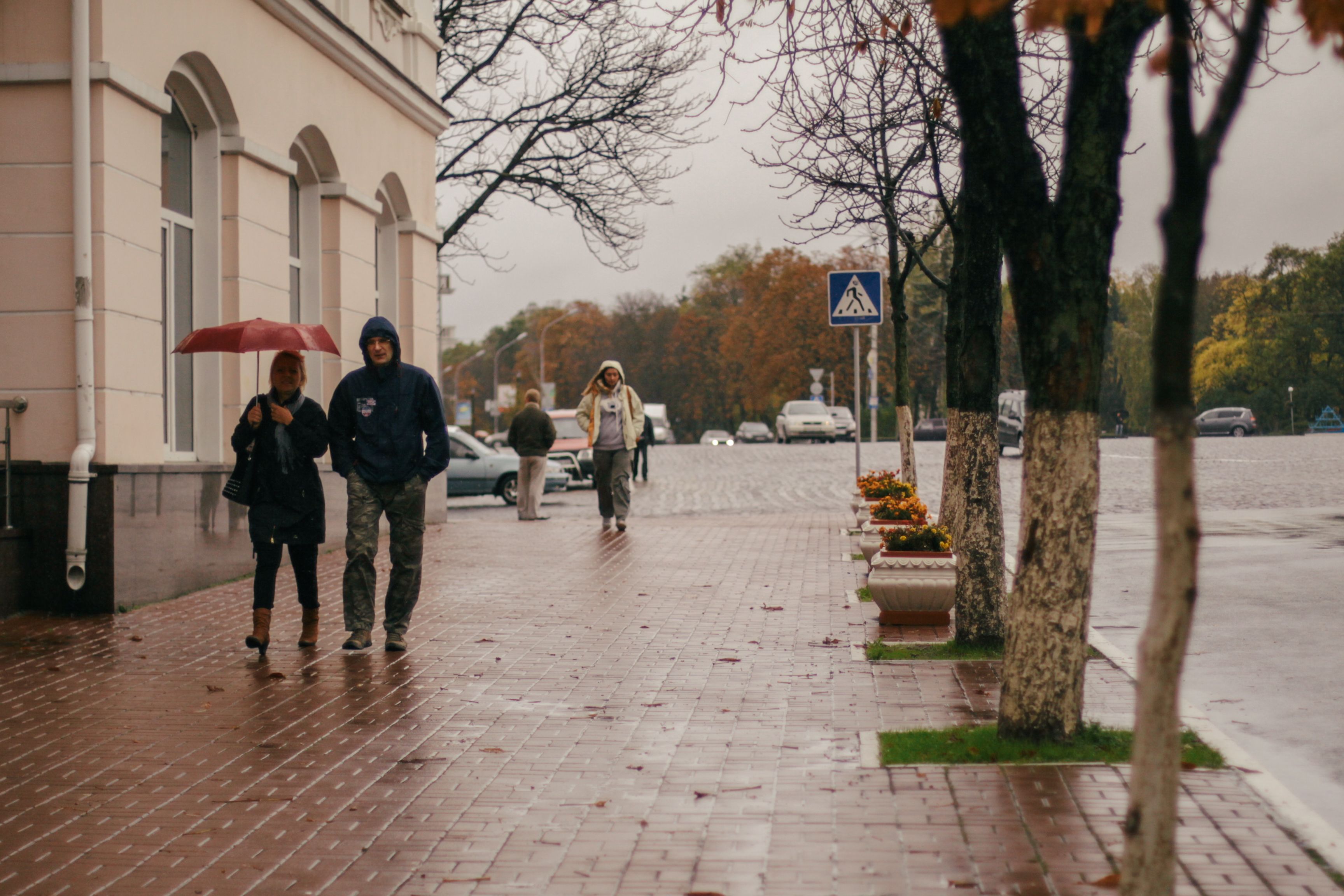
Montreal's spring and fall don't stay in one place. A morning at 4 degrees can turn into an 18 degree afternoon, and either one can turn into rain without warning. A parka is too warm for this, and a hoodie won't keep you dry. This guide covers what actually works in that gap, and how to tell a spring jacket from a rain jacket when you're shopping for one.
The Temperature Window Where Your Winter Coat Stops Working
Once daytime temperatures climb consistently above 8 to 10 degrees, a winter parka becomes more of a liability than a help. The heavy insulation that kept you warm in January starts trapping heat you don't need, and you end up sweating through a jacket that was built for a completely different problem. The same is true in reverse each fall, once temperatures start dropping through that same range. The fix isn't fewer layers. It's a different kind of jacket built for wind and rain instead of extreme cold.
Rain Jacket or Spring Jacket: What's the Difference
A rain jacket is built around waterproofing first. It's usually a lighter shell with little to no insulation, designed to keep water out during an actual downpour, and it packs down small enough to carry when you're not sure if it'll rain. A spring jacket usually adds a light layer of insulation or a soft inner lining, built more for wind and cool temperatures than a full downpour. Here's the practical difference:
- Rain jacket: fully waterproof shell, little insulation, best for actual rain and wind.
- Spring jacket: water-resistant to light rain, some insulation or a soft lining, best for cool and mild swings without heavy rain.
- Winter coat or parka: heavy insulation, built for sustained cold, not for this temperature range at all.
What to Look For in a Montreal Shoulder-Season Jacket
Waterproofing and water resistance aren't the same thing, and the difference matters more in spring and fall than almost any other season. A fully waterproof shell keeps you dry through sustained rain, while a water-resistant jacket handles light drizzle but soaks through in a real downpour. For Montreal's spring, where a sunny morning can turn into a soaking afternoon with little warning, a genuinely waterproof shell is worth the extra cost over a merely water-resistant one. Look as well for a jacket with enough room underneath to layer a sweater on colder mornings, since the same jacket needs to work across a wider temperature range than a winter coat ever does.

Layering for Montreal's Unpredictable Shoulder Seasons
The jacket alone isn't the whole system. A layering approach handles the swing better than any single piece of outerwear:
- Start with a light long-sleeve layer or t-shirt as your base.
- Add a sweater or light fleece for the cooler morning stretch.
- Top it with your rain or spring jacket, and remove the mid layer once the afternoon warms up.
This system means the same jacket carries you from a cold morning commute through a mild afternoon, without switching jackets partway through the day.
When to Switch Back to a Winter Coat
Once nighttime temperatures drop consistently below freezing and stay there, a spring or rain jacket stops being enough on its own, even layered. This is usually the point where a parka or heavier winter coat makes more sense again, back in the rest of Schreter's outerwear range. Pushing a shoulder-season jacket past that point usually just means adding more and more layers underneath until the jacket itself becomes the limiting factor rather than the solution.
If you're heading into that colder stretch, our comparison of North Face and Columbia parkas and our guide to the warmest men's jackets for a real cold snap cover what comes next.
Frequently Asked Questions
What's the difference between a rain jacket and a spring jacket?
A rain jacket is built around full waterproofing with little insulation, best for actual downpours. A spring jacket usually has some insulation or a soft lining and handles light rain and wind, but not a sustained soaking.
Can I wear a rain jacket in the fall too?
Yes. A rain jacket works in both spring and fall, since the temperature range and rain patterns are similar in both seasons in Montreal.
When should I switch from a spring jacket back to a winter coat?
Once nighttime temperatures consistently drop below freezing, a spring or rain jacket usually isn't enough on its own anymore, even with layers underneath.
Is water-resistant the same as waterproof?
No. Water-resistant fabric handles light rain or drizzle but soaks through in sustained rain. Waterproof fabric keeps you dry through a real downpour.
Shop the Shoulder Season
Montreal's spring and fall don't give you much warning before the weather changes. Come see us in store, we'll help you find the right fit between our spring jackets and rain jackets collections.