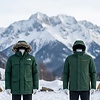

Warmest Men's Jackets for a Canadian Cold Snap
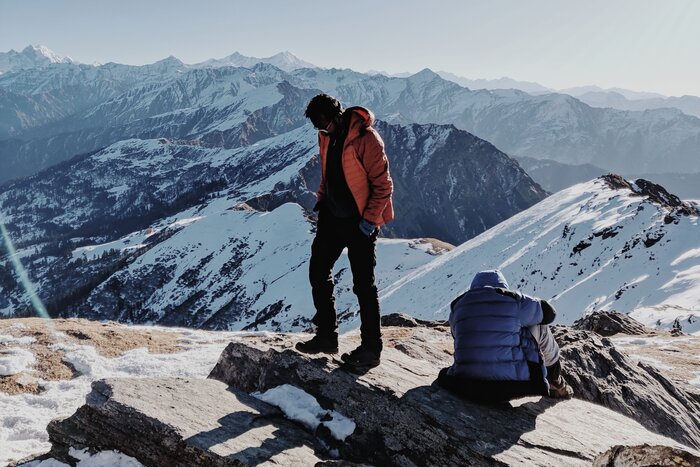
Key Takeaways
- A jacket's real warmth comes from three things together: insulation type, fill amount, and how windproof the outer shell is, not just the brand name on the tag.
- Down insulation is warmer for its weight than synthetic fill, but it loses most of that warmth once it gets wet.
- Synthetic and wool-blend insulation hold their warmth even when damp, which matters through Montreal's mix of dry cold snaps and wet snow.
- A higher fill power number means the down traps air more efficiently, not that the jacket is automatically warmer overall, fill amount and shell matter just as much.
- Standing still in the cold demands more from a jacket than walking does, since your body stops generating the muscle heat that helps a jacket perform.
A real Canadian cold snap, the kind that hits minus 25 with wind, exposes the difference between a jacket that looks warm and one that actually is. The warmest winter jackets for men combine three things: the right insulation, enough of it, and a shell that blocks wind instead of just resisting a light rain. Here's what separates a jacket that holds up on the coldest week of the year from one that doesn't, along with what to look for in a men's winter coat built for it.
What Actually Makes a Jacket Warm
Warmth comes down to three factors working together: the type of insulation, how much of it the jacket uses, and whether the outer shell blocks wind. A jacket can have excellent insulation and still perform poorly in a cold snap if the shell lets wind cut straight through it. This is why two jackets with similar price tags can perform very differently once the temperature drops and the wind picks up, the insulation might be identical while the shell fabric is not.

Down vs Synthetic: Which Holds Up in a Real Cold Snap
Down insulation is warmer for its weight than any synthetic fill, which is why most jackets built for extreme cold use it. The tradeoff is durability in wet conditions: down clumps together when it gets wet, and clumped down can't trap air the way dry down does, so its insulating value drops fast. Synthetic insulation is heavier for the same warmth, but it keeps working even when damp, which matters on a Montreal day that starts at minus 20 and ends in wet snow. If your cold snap is dry and sustained, down wins. If your winter regularly mixes extreme cold with wet snow, synthetic or a wool blend is the safer bet.
What Fjallraven, North Face, and Columbia Do Differently
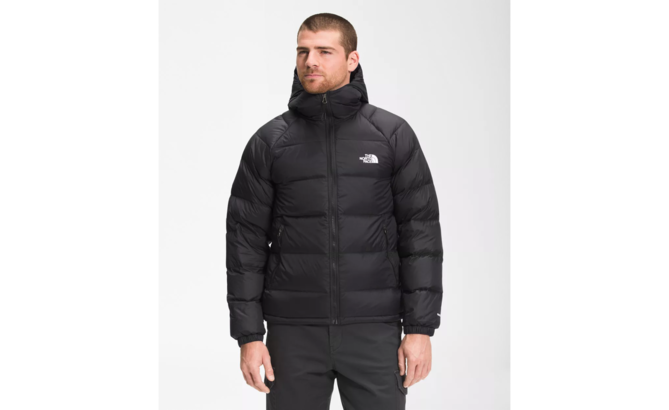
The three heavier-weight outerwear brands carried at Schreter's take genuinely different approaches to cold. Fjallraven builds around down and wool fill, finished with Greenland wax on the outer shell for water resistance, a traditional approach built for sustained dry cold. North Face leans on down insulation paired with waterproof, breathable shell fabric across its heavier winter jackets. Columbia takes a different route with Omni-Heat, a thermal reflective lining that bounces body heat back toward you, combined with Omni-Tech waterproofing, an approach that holds its performance even when the shell gets wet. None of these is universally warmest. Each is solving the cold snap problem from a different angle, and we go deeper on two of them in our North Face vs Columbia parka comparison.
Insulation Types Compared at a Glance
Here's how the three main insulation approaches stack up for a real Canadian cold snap:
- Down: warmest for its weight, packs down small, but loses most of its insulating power once wet.
- Synthetic fill: heavier for the same warmth, but keeps insulating even when damp, and is generally more affordable.
- Wool blend: naturally water-resistant and warm even when damp, though heavier and bulkier than down or synthetic.
What Fill Power Numbers Actually Mean
Fill power measures how much a given weight of down expands, and a higher number means the down traps air more efficiently for its weight. It doesn't mean a jacket is automatically warmer than one with a lower fill power number, since a jacket with a modest fill power but more total fill can still outperform a high fill power jacket with very little insulation inside it. When comparing two down jackets, fill power and total fill weight both matter, and neither one alone tells the full story.
Choosing the Right Jacket for a Real Cold Snap
Match the jacket to how you actually spend time outside, not just the coldest number on the forecast. Someone who moves quickly between a car and a heated building can lean on a lighter, more packable down jacket. Someone who stands outside at transit stops, works outdoors, or walks a longer commute needs a windproof shell and enough coverage below the waist to matter once the body stops generating heat through movement. A parka's extra length earns its keep here in a way a waist-length jacket can't.
If most of your winter is spent standing outside rather than moving through it, our spring and fall jacket guide also covers the other end of the temperature range, for the weeks before a real cold snap sets in.
Frequently Asked Questions
What is the warmest type of winter jacket?
Down insulation is the warmest option for its weight, but only in dry conditions. Synthetic and wool-blend insulation hold their warmth better once wet, which matters through a Montreal winter's mix of dry cold and wet snow.
Is a higher fill power always warmer?
Not on its own. Fill power measures how efficiently the down traps air per ounce, but total fill weight matters just as much. A jacket with a lower fill power and more total down can be warmer than one with a high fill power and very little fill.
How cold can a good winter jacket handle in Montreal?
A well-insulated jacket with a windproof shell can handle sustained temperatures well below freezing, including wind chill in the minus 20s. Performance depends more on insulation type, fill amount, and shell quality than on price alone.
Do I need a parka or is a regular winter jacket enough?
If you spend real time standing outside, at transit stops, working outdoors, or on a longer commute, a parka's extra length past the waist makes a bigger difference than most people expect, especially once you stop moving and your body generates less heat.
Find Your Warmest Option
The warmest jacket for you depends on your winter, not just the coldest jacket on the shelf. Come see us in store, we'll help you find the right fit from our full range of men's winter coats carrying Fjallraven, North Face, Columbia, and more, or browse the full men's outerwear collection online.